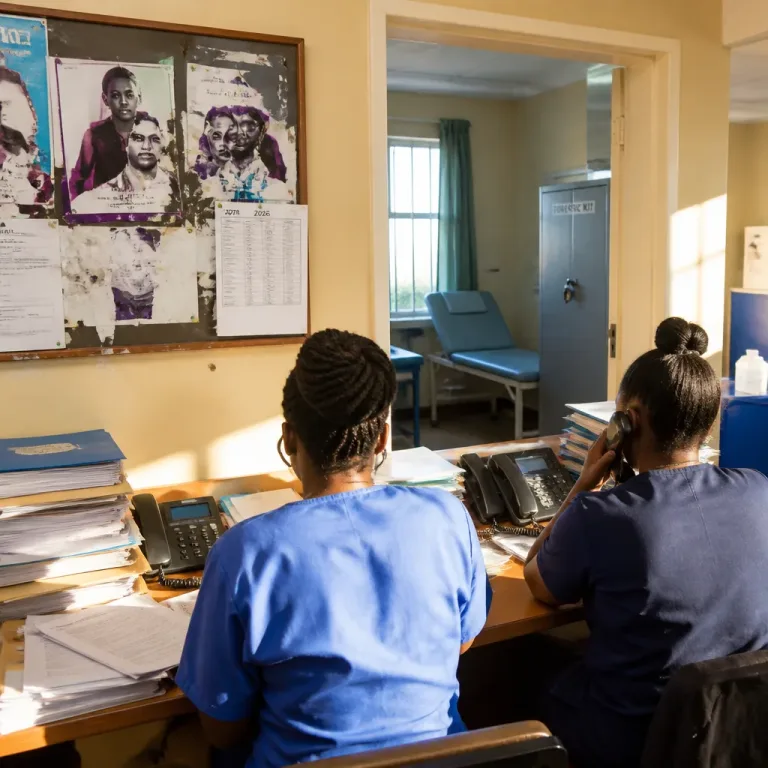
The national Department of Health has moved to reassure patients that changes in the appearance or manufacturer of medicines dispensed at public healthcare facilities do not affect their safety, quality or therapeutic effect, and that continuity of treatment is being maintained across the public sector.
Department response to public concerns
The department issued the statement after receiving complaints from patients who reported receiving medicines that looked different from what they had previously been given. It said such changes — in the colour, shape, packaging or manufacturer — do not necessarily mean the medicine itself has changed.
"Although these medicines may look different, they contain the same active ingredients, are of the same quality and provide the same therapeutic benefits," the department said.
The statement underlined that public healthcare facilities procure medicines only from suppliers that meet stringent regulatory and quality standards. Where more than one approved supplier provides the same medicine, patients may receive products from different manufacturers over time; clinicians are permitted to dispense equivalent, approved products to ensure uninterrupted treatment.
What this means for patients
Patients worried about a different-looking medicine are encouraged to speak to their doctor, pharmacist or nurse, the department said. Healthcare professionals can explain the reason for a substitution and confirm that the alternative remains appropriate for the patient’s treatment.
- Different appearance does not mean different active ingredients.
- Temporary unavailability of a specific brand, pack size or supplier product is sometimes managed by dispensing clinically equivalent medicines.
- Clinical judgment guides substitutions to maintain continuity of care.
Monitoring and supply-chain oversight
The department acknowledged that, as in other countries, South Africa’s medicine supply chain can occasionally be disrupted by factors outside the health system’s control. To manage and detect such risks, it said medicine availability is monitored through the National Surveillance Centre and other reporting mechanisms, including the web-based Stock Visibility System (SVS), which provides early warning of potential supply challenges across different levels of care.
| System | Function |
|---|---|
| National Surveillance Centre | Central monitoring of medicine availability and stock levels |
| Stock Visibility System (SVS) | Web-based early-warning reporting across facilities and supply chain levels |
Where a particular brand or pack size is temporarily unavailable, the department said healthcare professionals routinely manage the situation by supplying an equivalent product so that patients continue to receive treatment without interruption.
Practical advice for patients
Patients should note the following practical points when they receive medicine that looks different from previous supplies:
- Check the prescription label and active ingredient listed on the package.
- Ask the dispensing nurse, pharmacist or clinician to confirm the equivalence of the medicine.
- If unsure about side-effects or dosing, consult the clinician who prescribed the medicine rather than stopping treatment.
The department’s statement is aimed at reducing confusion and ensuring public confidence in the quality controls that govern procurement for public facilities. It reinforces that the appearance of a product is not a reliable indicator of quality or effectiveness and that clinical teams are supported to make substitutions when necessary.
Patients with ongoing concerns are advised to raise them with their healthcare provider, or to use the facility complaints or feedback mechanisms where available. As always, any change in medicine or unexpected health reaction should be discussed with a clinician rather than treated as a self-diagnosis.