The White House has issued an Executive Order that will reshape how goods enter the United States by tightening rules for the Importer of Record (IOR) and elevating the role of the Customs Trade Partnership Against Terrorism (CTPAT) in entry processing. The measure, cited in the Order as Exec. Order No. 14411, Sec. 2(ii)(d), raises penalty floors, tightens disclosure requirements and places a new operational burden on non‑resident or foreign importers.
CTPAT moves from voluntary to operational gatekeeper
According to analysis of the Order, foreign IORs face two stark options to retain access to the US market: secure validated status in the CTPAT programme or delegate filing to a CTPAT‑validated, licensed customs broker. The change will end what the analysis describes as an era of ‘easy entry’ for some foreign operations and will narrow the path for those that currently rely on informal channels.
"The CTPAT ultimatum . The path forward for foreign IOR’s will shortly narrow to a strict operational choice: Embrace validation to CBP’s Customs Trade Partnership Against Terrorism (CTPAT) programme or use a CTPAT‑validated and licensed customs broker to file their entries."
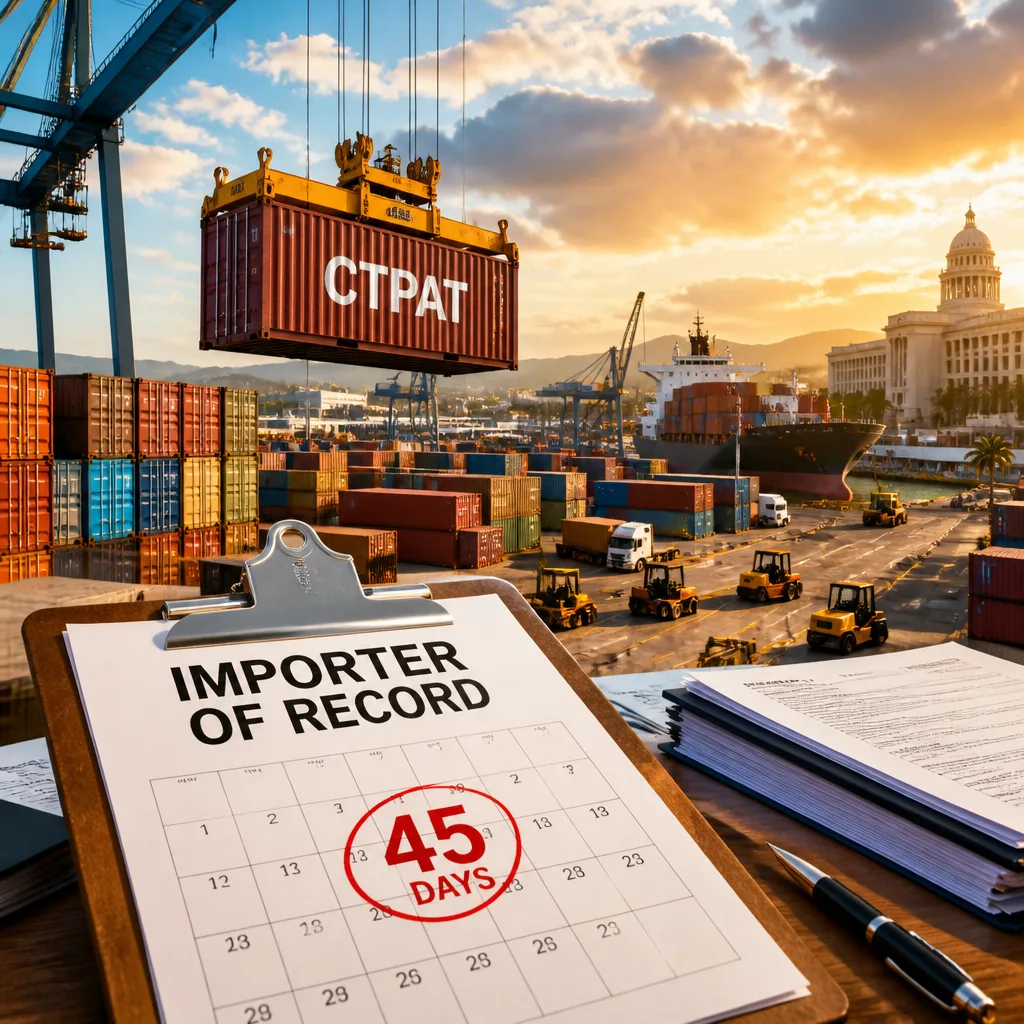
For companies already certified in CTPAT there is an advantage: an opportunity to get ahead while the new expectations are still being phased in. The Order’s staggered deadlines, which range from 45 days to one year, create a limited window to review compliance records, broker relationships and internal security controls.
What importers and brokers must do now
- Foreign importers should review their compliance histories and CTPAT profiles to determine whether they meet the incoming “good standing” standard the Order references.
- Companies without CTPAT validation will need to either pursue validation or formally appoint a CTPAT‑validated customs broker to file entries on their behalf.
- Customs brokers must assess their client portfolios and be prepared for increased demand from foreign IORs seeking validated partners.
The Order also raises enforcement stakes by increasing penalty floors and demanding tighter disclosure for parties bringing goods into the United States. While the immediate operational impact will be felt most sharply by foreign IORs, customs brokers and logistics providers, exporters in trading nations that rely on the US market — including South African companies — should take note and prepare for additional scrutiny of supply chains and security controls.
| Feature | Timing in Order |
|---|---|
| Short‑term compliance window | 45 days |
| Full implementation window | One year |
Observers of global trade policy note that making a voluntary security programme de facto mandatory for a class of importers changes commercial decision‑making. Importers that previously relied on lower‑cost or informal entry arrangements will face new costs — for validation, for retaining validated brokers, and for upgraded documentation and security practices.
For South African exporters, the Order underscores the importance of supply‑chain transparency and robust documentation when selling into the US market. Firms that use foreign subsidiaries or non‑resident importers of record should check whether their chosen IORs or brokers are CTPAT‑validated, and if not, whether they can meet the accelerated validation timelines or transfer filing responsibilities to a certified broker.
Because the Order appears to phase in different requirements across timelines, companies have a narrow but tangible opportunity to align operations and relationships before enforcement hardens. The key steps are clear: review CTPAT profiles early, ensure broker relationships conform to the new rule set, and confirm internal security and record‑keeping are ready for closer scrutiny.
The full operational and commercial consequences will depend on how US Customs and Border Protection implements the Order and how swiftly the private sector moves to comply. For now, the message to foreign importers is unambiguous: CTPAT validation will no longer be merely optional for retaining efficient entry rights into the United States.