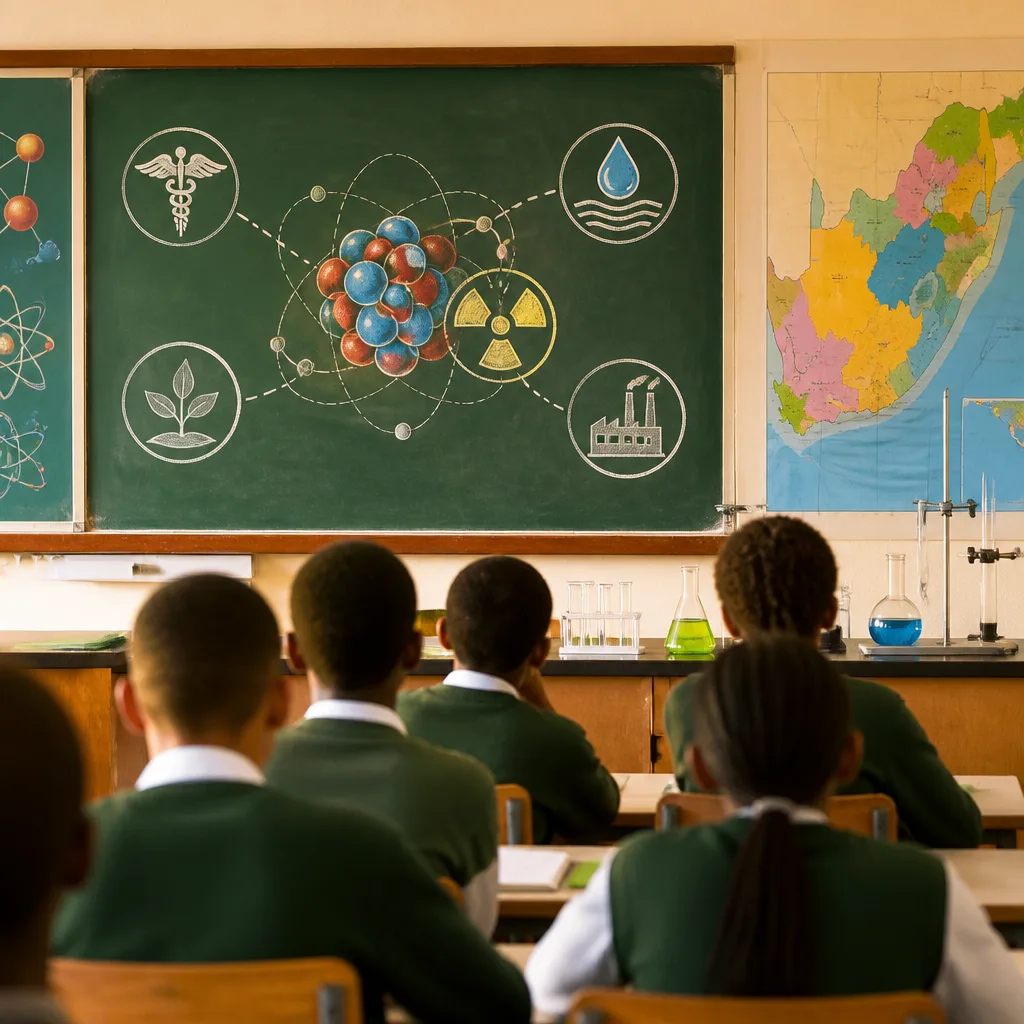
Kenya is moving to include nuclear science and technology in secondary school education as part of a broader revision of its Competency‑Based Education (CBE) curriculum. The proposal, discussed at a regional meeting in Nairobi attended by representatives from 10 African countries, aims to expose learners to nuclear applications earlier to strengthen the pipeline of technicians, scientists and engineers for both civilian uses and possible future nuclear power programmes.
Why introduce nuclear topics at school level?
Speakers at the meeting argued that nuclear techniques are already embedded in areas critical to Kenya’s development priorities — notably healthcare, agriculture, water resources and industry. Examples cited include diagnostic and therapeutic uses in cancer care, and isotope hydrology to better understand groundwater systems. Presenters framed early education in nuclear science as a way to familiarise young people with the concepts and careers that will be required as African countries expand their use of these technologies.
“We must be able to entice the younger generation to go into these subjects,” said Science, Research and Innovation Principal Secretary Prof. Shaukat Abdulrazak, describing curriculum review as an opportunity to introduce nuclear topics before university.
The Principal Secretary told delegates that curriculum adjustments are timely because Kenya is already applying nuclear techniques in practical sectors. He highlighted the link between nuclear technologies and pressing national challenges, such as drought and food security, signalling that educational changes are as much about development outcomes as they are about workforce planning.
International support and regional context
Delegates also heard that technical cooperation from international agencies is available to support curricular and capacity development. Amal Elrefaei from the International Atomic Energy Agency (IAEA) said the agency is backing projects to strengthen nuclear science and technology education across African member states, a move viewed as essential to meet the continent’s growing demand for specialised scientific skills.
Proponents said earlier exposure will help countries cultivate a wider and more diverse talent pool, including more women and youth, for careers in nuclear science and technology.
Practical considerations and potential impacts
Introducing nuclear topics at secondary level raises practical questions about teacher training, safety literacy, learning resources and how to connect school topics with higher‑education pathways and industry needs. The meeting recommended that curriculum planners align content with national development needs and ensure safe, age‑appropriate instruction.
- Skills pipeline: early exposure can increase interest in nuclear careers and create a stronger cohort for university programmes.
- Relevance to development: nuclear techniques support healthcare (cancer diagnosis/treatment), agriculture (food security) and water management (isotope hydrology).
- Regional cooperation: shared curriculum approaches and IAEA support can lower barriers for smaller countries to develop expertise.
Speakers emphasised that the move is not about promoting nuclear power per se, but about equipping students with knowledge of nuclear science applications. That distinction matters for public engagement: teaching about radioisotopes in medicine or agricultural research differs from advocacy for any particular energy policy.
| Sector | Example application |
|---|---|
| Healthcare | Cancer diagnosis and treatment using nuclear medicine |
| Agriculture | Techniques to improve food security and pest control |
| Water resources | Isotope hydrology to trace and manage groundwater |
| Industry | Material testing and non‑destructive evaluation |
For South African readers, Kenya’s initiative is a reminder that curriculum design is a lever for long‑term scientific capacity. If implemented carefully, the approach could diversify the talent pool available to universities and national laboratories across the region and help meet demand for technical specialists as more African countries deploy nuclear techniques in civilian sectors.
Any shift will require investment in teacher training, textbooks and laboratory resources, together with clear safety and ethical guidance. The IAEA’s participation indicates that technical and pedagogic support can be mobilised, but the pace and content of change will depend on national consultations and the outcomes of the curriculum review process.
The Nairobi meeting illustrates a wider trend: African countries are increasingly thinking ahead about how to build home‑grown skills for advanced technologies, rather than relying on late recruitment at university level. Early engagement in subjects such as nuclear science, if matched with quality instruction and clear pathways to further study and employment, could reshape career choices for a new generation of scientists and engineers on the continent.