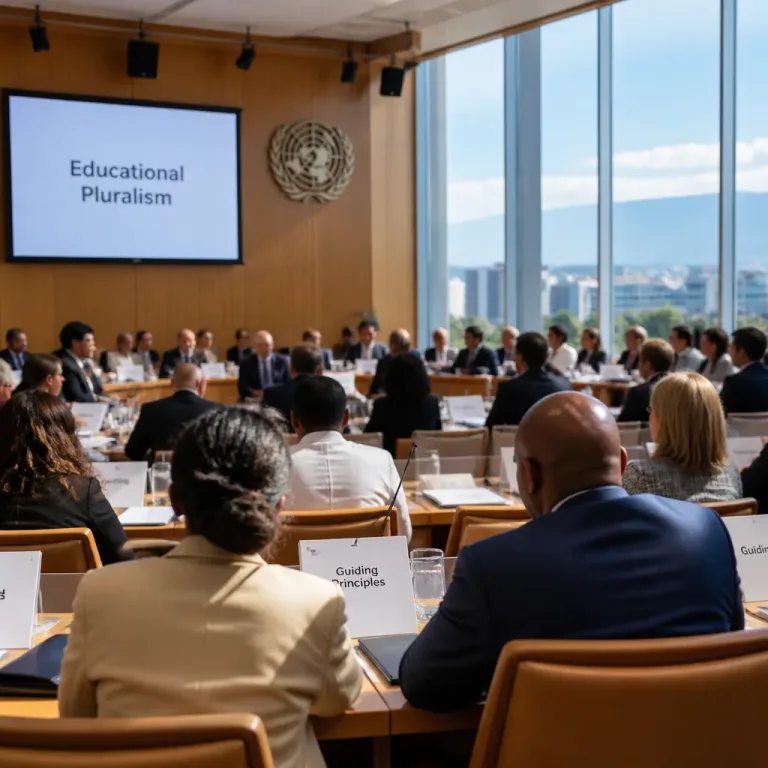
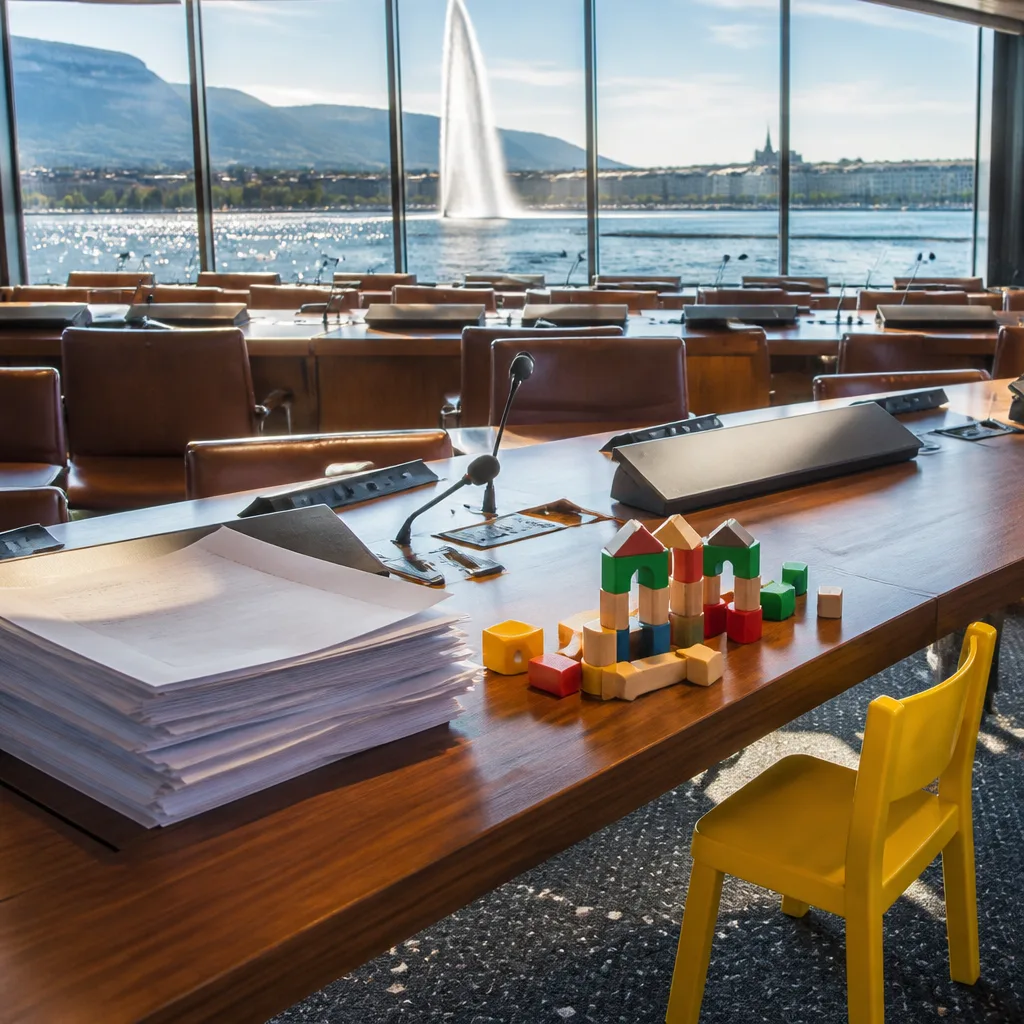
Delegates from governments, child advocates and civil society gathered in Geneva from 31 August to 2 September 2026 to advance negotiations on a proposed international instrument that would explicitly recognise early childhood care and education (ECEC) as part of every child’s right to education.
What the proposal would do
The United Nations Human Rights Council’s open‑ended intergovernmental working group is considering a proposed Optional Protocol to the Convention on the Rights of the Child (CRC). The draft would seek to make clear that the right to education begins in early childhood rather than only when a child enters primary school, and to require states to make at least one year of public pre‑primary education available free to all children. It would also call for public secondary education to be free and accessible.
“the right to education begins during early childhood, not only when a child enters primary school.”
The draft Key Principles under discussion are intended to shape the potential scope, state obligations and implementation arrangements should the protocol proceed. Revision One of those principles will be considered at the working group’s second session, following an earlier zero draft and consultations held since April 2026.
Why this matters for South Africa
South Africa’s education system faces persistent challenges in expanding quality early learning opportunities, including affordability pressures for caregivers, workforce shortages among early childhood practitioners, and unequal access between urban and rural areas. Making ECEC an explicit human‑rights obligation at the international level could strengthen the case for higher public investment, clearer regulatory standards and more systematic planning for pre‑primary provision.
- Access: The protocol would signal that governments must work towards making at least one year of public pre‑primary education universally available and free.
- Continuity: It would frame early childhood services as integral to the right to education, not as separate welfare or care services.
- Secondary education: The proposal also reiterates the need for free and accessible public secondary schooling.
Those negotiating the draft say the principles will guide how obligations are defined and implemented. If adopted, the protocol would expand on the CRC’s existing provisions that already require states to make primary education compulsory and free.
Implementation questions and practical challenges
Even where political will exists, translating new international obligations into classroom places, trained staff and sustainable budgets is complex. South Africa would need to tackle several practical issues if the protocol shapes future expectations:
| Area | Implication |
|---|---|
| Funding | Public budgets would need to be re‑prioritised to cover free pre‑primary provision and strengthen existing centres. |
| Workforce | Recruitment, training and decent remuneration for early childhood practitioners would be required to expand quality provision. |
| Regulation | Clearer standards and monitoring mechanisms would be needed to ensure equitable quality across provinces and sectors. |
Advocates argue that establishing early childhood education as a rights obligation helps protect services from austerity and political shifts, while critics caution that commitments must be matched by credible implementation plans. The working group’s current session follows consultations and a zero draft circulated in April 2026; negotiators are now discussing a revised set of guiding principles.
For parents and teachers, the stakes are practical: early learning shapes school readiness, social development and the conditions for successful schooling. For policymakers, the draft protocol raises questions about how to balance immediate resource constraints with longer‑term gains from investing in young children.
The outcome of the Geneva discussions will not automatically change domestic law, but a widely endorsed international instrument could strengthen advocacy for expanded, publicly funded pre‑primary schooling and clearer obligations around free secondary education. South African education stakeholders will be watching the working group’s deliberations closely as the debate moves from principle to possible treaty text.