AI’s political promise is being wasted on mass messaging, say security experts
Artificial intelligence is already making elections noisier and more dangerous, but it could also become a tool for deeper voter engagement if parties and candidates change how they use it, two security experts argued in a recent analysis.
Bruce Schneier and Nathan E. Sanders say much of AI’s current role in politics replicates the familiar one-to-many broadcast model of campaigning — only faster and cheaper. That approach, they warn, risks worsening disinformation, heightening anxiety among voters and further polarising public debate.
At the same time, the authors point to emerging projects in Japan, Scotland and US academic and private initiatives that repurpose AI for what they call “broad listening”: tools that solicit sustained, in-depth input from large numbers of citizens and help translate that input into policy priorities.
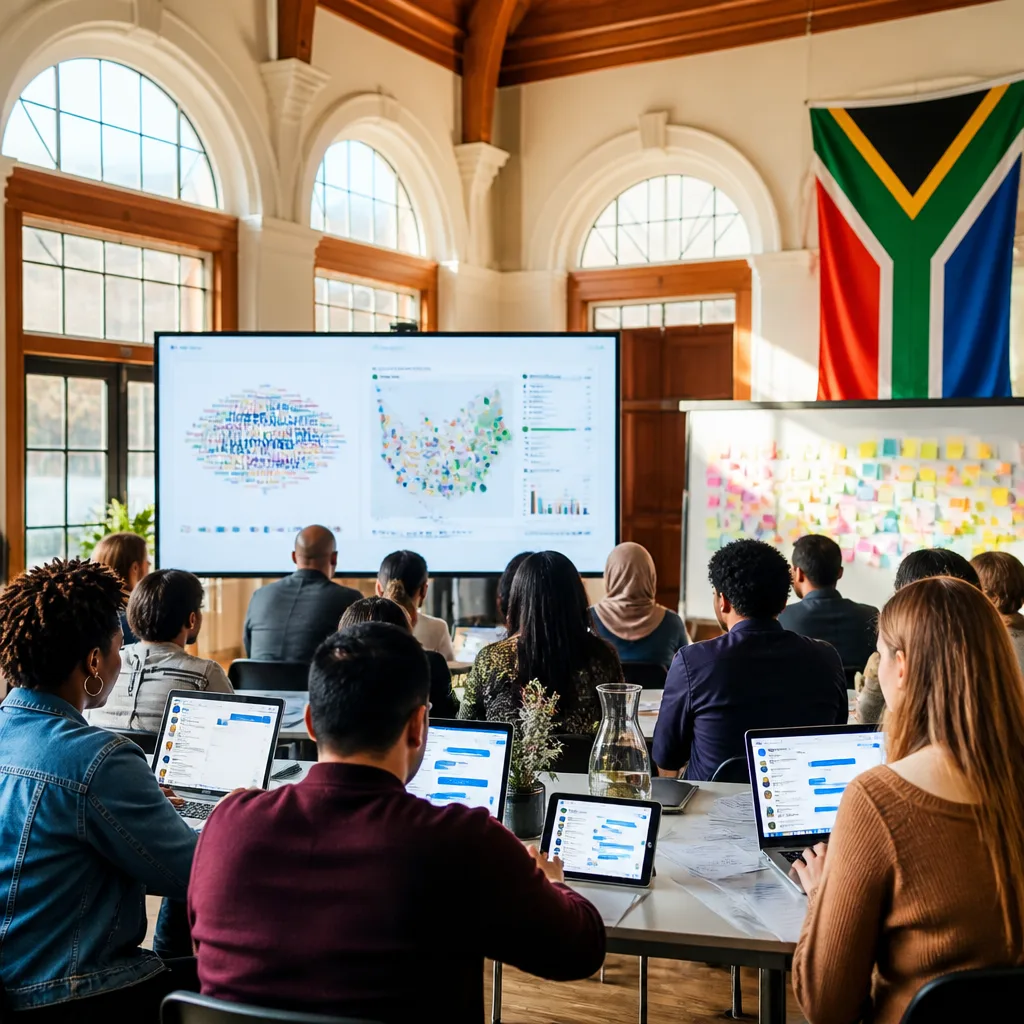
Key innovations already under way include AI systems that conduct extended interviews with citizens about detailed policy questions, portals that let users explore draft legislation with AI assistance, and frameworks that scale deliberative discussion so many people can weigh in meaningfully.
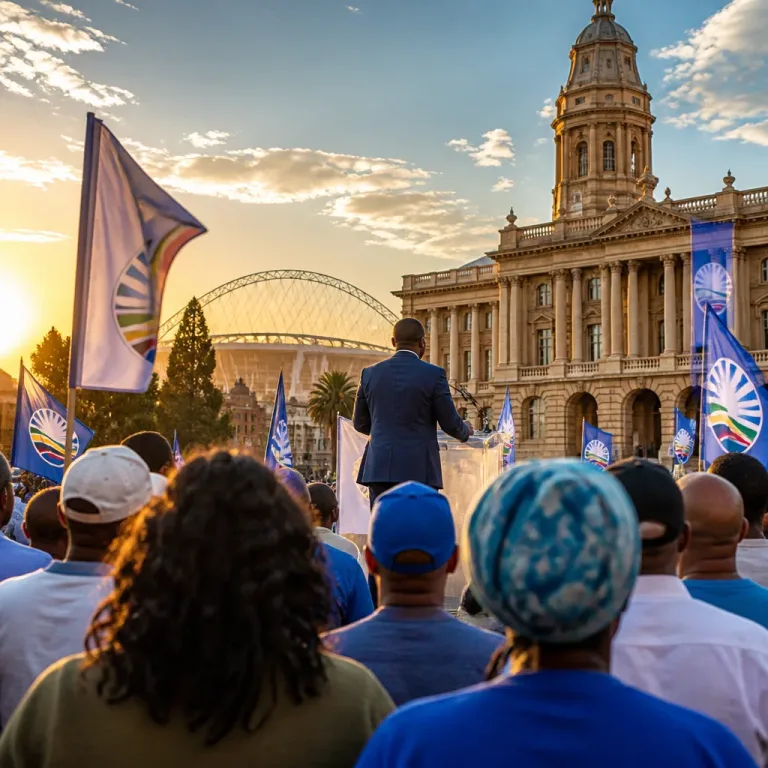
- One-to-many: the common political use of AI today — targeted ads, automated messaging, deepfakes — reproduces traditional broadcast techniques.
- One-to-one: AI that personalises, listens and responds to individual voters at scale, enabling a greater sense of being heard.
- Many-to-many: platforms that facilitate deliberation among citizens, assisted by AI to structure and aggregate views.
Schneier and Sanders single out one concrete experiment: Japan’s Team Mirai. The newly founded party has developed an AI interviewer to gather voters’ perspectives on policy across a broad set of issues and combines this with an AI-driven portal for exploring bills. Team Mirai calls itself a
"utility party"that builds tools any political organisation can use to connect with constituents.
The authors note that Japanese voters have been willing to engage with political AI, and suggest the experience undermines the argument that citizens won’t talk to machines about politics. That, they say, bodes well for systems designed to amplify citizens’ voices rather than drown them out.
Risks remain: disinformation, deepfakes and 'slopaganda'
But the piece does not gloss over the harms. The spread of AI-generated deepfakes is already distorting campaigns, and the White House has been accused by the authors of publishing what they call "slopaganda" — a term they use to describe low-quality, rapidly produced political content that adds to confusion rather than clarifying issues.
In short, AI is a tool that can either magnify the flaws of present campaigning or enable new forms of democratic participation. The difference depends on design choices, incentives and who controls the platforms and data.
What this means for parties and regulators
The analysis implies several practical challenges for political actors and overseers:
| Challenge | Consequence |
|---|---|
| Default use of AI for targeted ads | Amplifies polarisation and misinformation |
| Investment in AI listening tools | Could yield policies more responsive to citizen input |
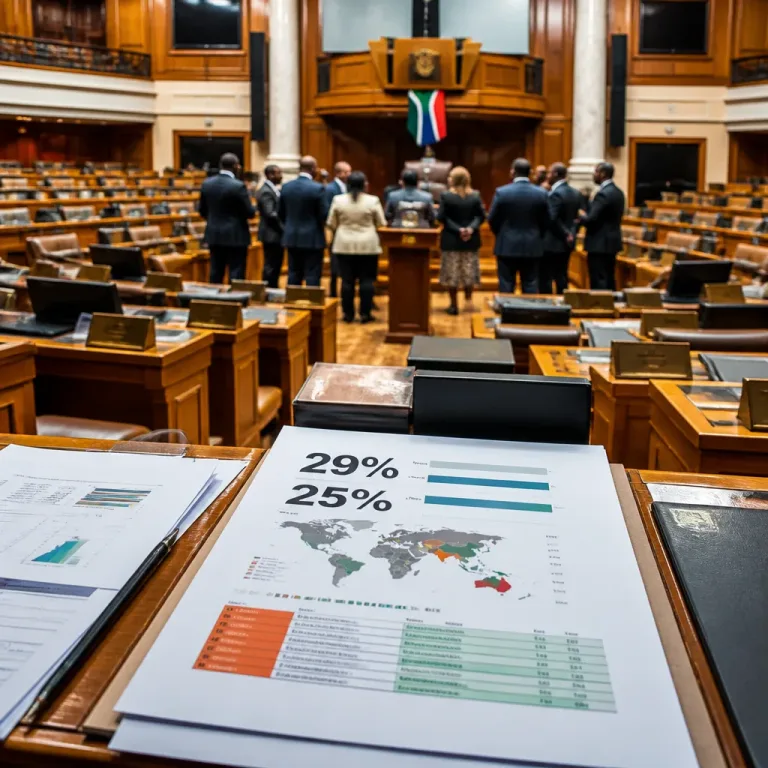
| Lack of transparency and oversight | Undermines trust in electoral processes |
The authors point to practical examples that show an alternative path: rather than using AI mainly to push messages out, parties could deploy it to collect complex, open-ended feedback, to summarise diverse views, and to test how different policy choices would play out in citizens’ lives.
For South African parties and regulators watching these developments abroad, the argument is straightforward. AI’s electoral impact will not be determined solely by the technology itself, but by whether political actors adopt it to listen and deliberate or to broadcast and manipulate. Who benefits — and who pays — will follow those choices.
Where AI is channelled into deeper civic engagement, citizens and parties could both gain clearer policy priorities and reduce the noise that makes democratic choice harder. Where it becomes another vehicle for low-quality political output and fabricated imagery, voters will pay the price in trust and clarity.
The analysis by Schneier and Sanders offers a cautionary and practical lesson: the choices behind deployment matter more than the novelty of the tool.