
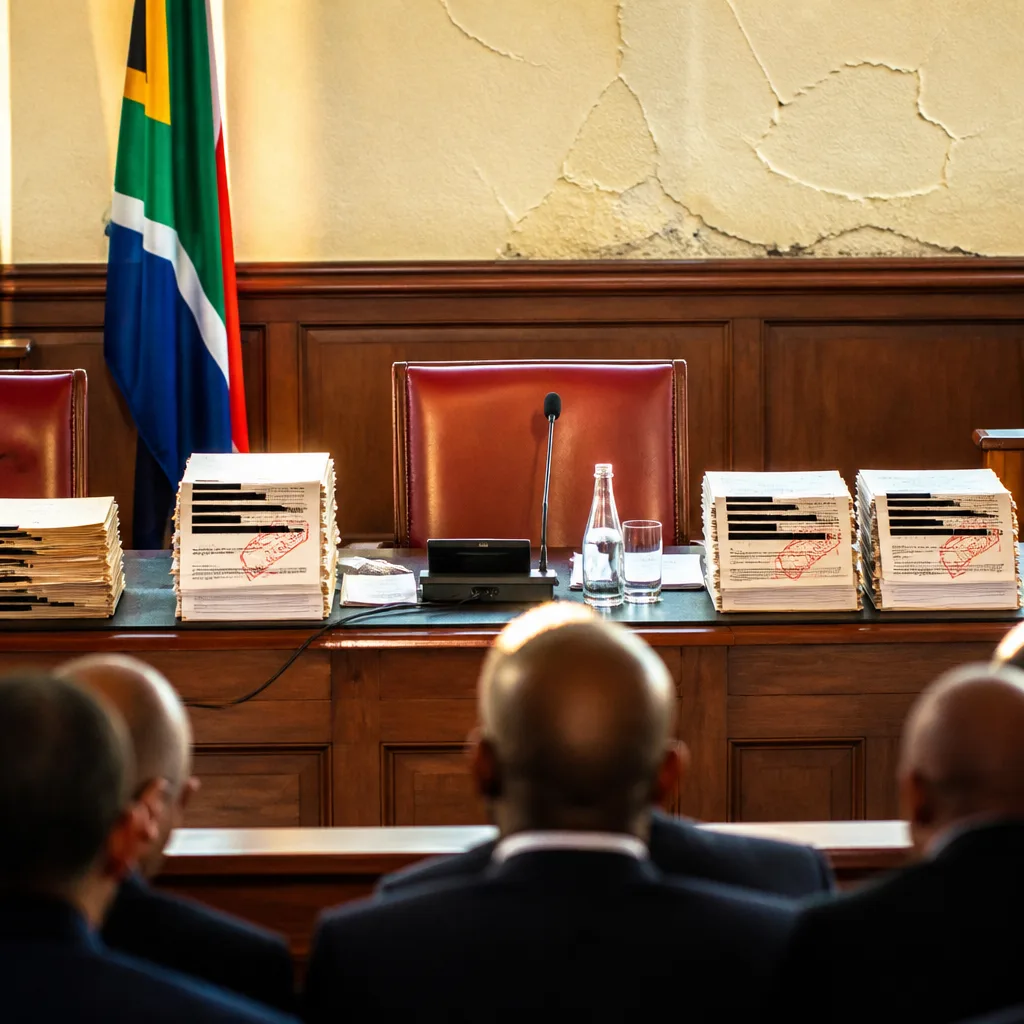
Pierre de Vos said in a News24 opinion piece that the Madlanga Commission of Inquiry has “uncovered the rot” and that the real work now lies in addressing the causes and consequences its findings reveal. The essay, published on News24 on 9 August 2026, reflects on the implications of the commission’s work and the practical steps that must follow if the inquiry’s work is to have lasting effect.
From exposure to action
De Vos argued that uncovering wrongdoing or systemic failures is only the first stage in a longer process. According to his essay, the commission has performed the investigative task of bringing problems into the open. What remains, he said, is the more difficult and politically fraught phase of implementing recommendations, pursuing accountability and designing reforms that prevent recurrence.
As a commentator on constitutional matters, de Vos emphasised the institutional nature of the challenge. Commissions of inquiry can establish facts and make recommendations, he noted, but they do not themselves prosecute nor directly implement policy changes. That responsibility usually falls to executive authorities, Parliament and, where appropriate, prosecuting agencies.
- Exposure vs enforcement: Commissions can expose problems but rarely have enforcement powers.
- Implementation burden: Responsibility shifts to government, oversight bodies and criminal justice institutions.
- Public patience: De Vos highlighted that the public will judge whether the exposure leads to meaningful outcomes.
What the commentary underscores
The piece places the Madlanga Commission’s findings in a broader institutional context. It cautions against equating the publication of a report with the resolution of problems. Drawing on the role commissions often play in South African public life, de Vos reminded readers that effective follow‑up requires co‑ordinated action across multiple state actors and credible enforcement where laws have been breached.
He further argued that the political will to act is decisive. While commissions can frame reforms and recommend disciplinary or criminal referrals, their impact depends on whether those with the authority to act choose to do so and whether oversight mechanisms ensure compliance.
"Madlanga uncovered the rot – now comes the hard part," de Vos wrote, summarising the shift from investigation to implementation.
The essay therefore serves as both an assessment of the commission’s immediate contribution and a reminder of the long road ahead if inquiry findings are to translate into systemic improvement.
Possible next steps — a neutral outline
De Vos did not set out a specific action plan in the extract reported by News24, but his observations naturally point to a predictable sequence of actions that typically follow from major inquiry reports. Those actions include:
- formal consideration of the commission’s report by relevant executive departments and Parliament;
- referral of evidence to prosecuting authorities where criminal conduct is alleged;
- disciplinary processes within public institutions where misconduct is established;
- legislative or policy reforms to close institutional gaps identified by the inquiry.
How and when these steps are taken will be closely watched by civil society, opposition parties and the public. De Vos’s essay, as summarised by News24, underscores that the credibility of South Africa’s accountability architecture depends as much on follow‑through as on investigative rigour.
The Madlanga Commission, and commentary such as de Vos’s, thus keep the focus on the interplay between truth‑finding and remedy. The question the commentator poses implicitly is whether institutions possess the capacity and the will to move from exposure to effective change — a question with direct bearing on public confidence in governance and the rule of law.
| Item | Detail |
| Source | News24 opinion by Pierre de Vos |
| Topic | Madlanga Commission of Inquiry — need for follow‑up after findings |
| Date reported | 9 August 2026 |
It remains for the relevant state institutions to respond to the commission’s findings and for oversight bodies to ensure that recommendations are not allowed to gather dust. The commentary by de Vos, as reported, presses that point: exposure must be matched by action if public institutions are to be strengthened and accountability upheld.













