The annual State of Education address in Wisconsin combined celebration with sharp warnings as educators, students and officials drew attention to declining school funding, recent school closures and rising political pressures that they say are affecting classroom life.
Performances and prizes amid sombre warnings
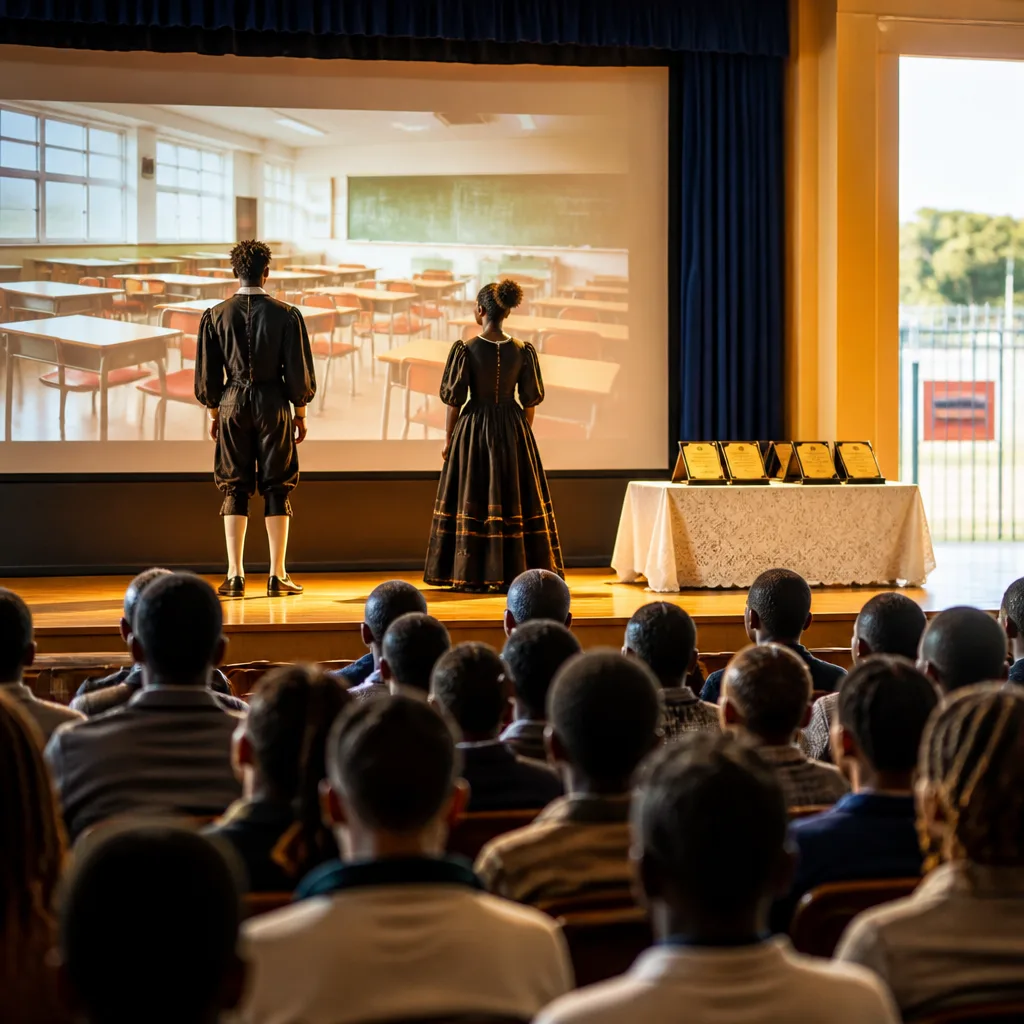
The event opened with a school production: high school seniors Lilly Goodwin and Charlie Holtman performed Shakespeare’s Twelfth Night, an opening that organisers framed as recognition of the complexity and vitality of school life. Tacara Lovings, identified as the executive director of the state Department of Public Instruction’s Office of Strategic Initiatives, described the segment as a celebration of “our students, our educators and the opportunities that we create together for every learner in Wisconsin.”
Teachers were also honoured: five Wisconsin educators received a Teacher of the Year award during the ceremony for their work in classrooms.
Concerns over funding and political interference
Alongside the celebrations, speakers repeatedly raised concerns about resource pressures. State Superintendent Jill Underly highlighted declining funding for schools and urged citizens to back candidates who support public education in the upcoming midterm elections.
Jonathan Etter, a University of Wisconsin–Madison graduate and a 2026 Teacher of the Year award recipient, linked day-to-day teaching challenges with broader political currents. He pointed to what he described as growing hostility in national rhetoric — including book bans and measures that, in his view, limit academic freedom and the rights and identities of some students — and said this threatens the role of teachers as stewards of students’ learning and wellbeing.
“I would like to think, unlike in Prometheus’ case, spreading kindness and wisdom is not a crime,” Etter said. “But as I listen to the rhetoric of some prominent figures in American society and read in the national news about book bans, attacks on academic freedom and laws and policies that deny the rights and identities of some of our students, I fear it might be.”
What was on the agenda — and what it means for classrooms
The address combined recognition of classroom achievement with warnings about systemic pressures. The themes raised by speakers have practical consequences for schools and learners:
- Resource constraints: Declining funding can affect staffing, learning materials and remedial support for learners who need it most.
- School closures: When schools close, learners face longer travel times and disrupted learning continuity, and communities can lose a critical civic hub.
- Political regulation of curriculum: Measures that restrict books or classroom discussion can narrow what learners encounter in school and increase stress on teachers navigating contested topics.
Speakers used the platform to make an explicit appeal to voters. Underly’s call for support of pro-public schooling candidates framed education funding and school governance as electoral issues ahead of the midterms.
Context and consequences
While this address was specific to Wisconsin, the topics it raised — funding shortfalls, closures and political interventions in curriculum — are part of wider national conversations about the role and resourcing of public schools. For teachers, parents and learners, such debates translate into questions about class sizes, access to reading materials, the range of subjects offered and the professional autonomy of educators.
| Item | Detail |
|---|---|
| Teachers honoured | Five recipients of Teacher of the Year awards |
| Student performance | Scene from Shakespeare’s Twelfth Night by two high school seniors |
| Main concerns raised | Declining funding, school closures, book bans and attacks on academic freedom |
The address underlined the dual role of such events: to celebrate classroom achievement and to warn about structural risks. As public debate shifts towards elections, the speakers placed education funding and protection of learners’ rights squarely on the political agenda — a development that educators say will have direct implications for schools and pupils in the coming months.