The United Nations convened global leaders, aid agencies and education advocates in New York this week to confront what speakers described as a deepening worldwide education crisis that is leaving millions of children without schooling or basic literacy and numeracy skills.
Scale of the problem
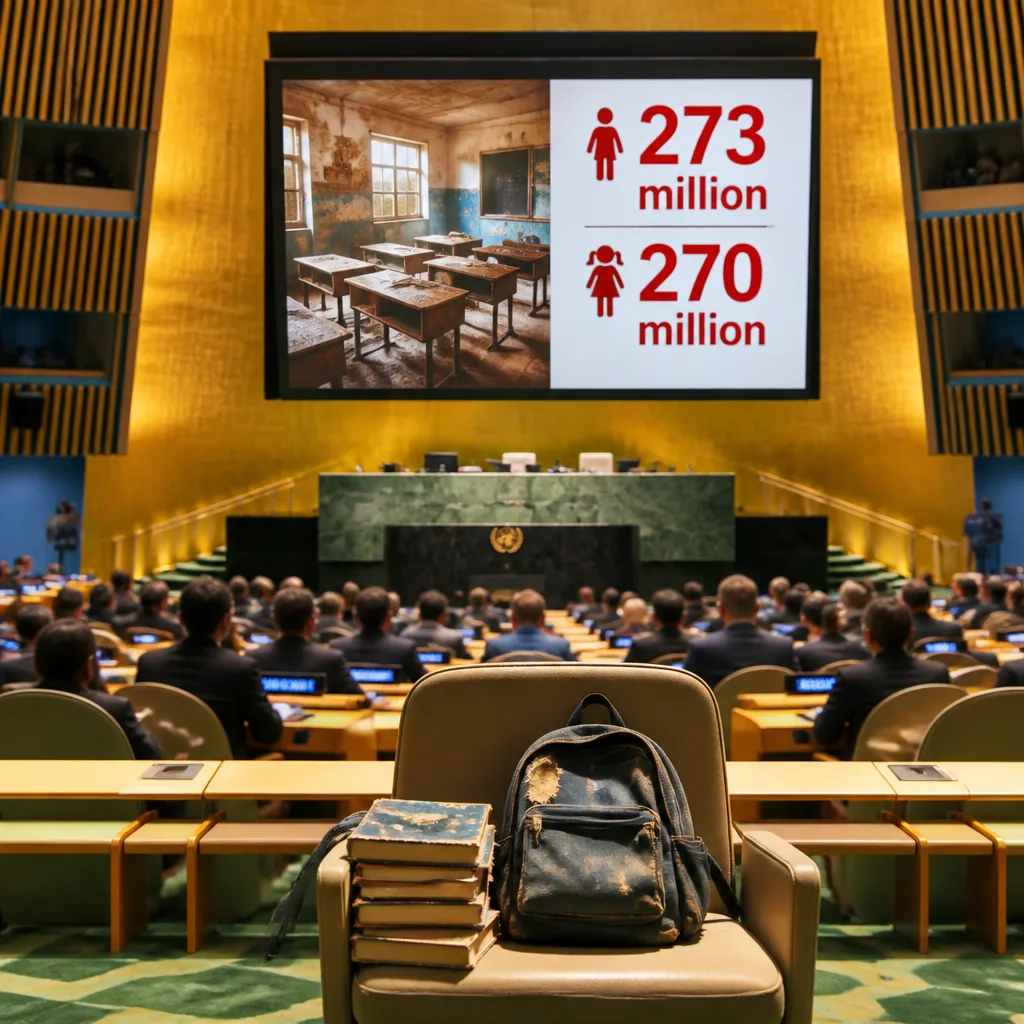
Delegates at the meeting drew attention to two stark estimates: 273 million children are currently out of school, and a further 270 million who are enrolled do not meet basic literacy and numeracy benchmarks by age 11, according to figures presented at the event.
Speakers emphasised that conflict, displacement and climate-related disasters are driving both the loss of education and the deterioration of learning outcomes. Education Cannot Wait Director Maysa Jalbout and UN Special Envoy for Global Education Gordon Brown urged stronger, sustained financing and policy commitments from governments and donors to reverse the trend.
"Governments must honour their previous commitments to education, including pledges to allocate 20 per cent of national budgets to the sector," Brown said.
Conditions reported on the ground
Jalbout described conditions she observed during a recent visit to Sudan, where she encountered an overcrowded classroom attended by an 18-year-old displaced student. The classroom temperature had reached 44°C and lacked basic services such as running water and electricity, she said. Many children waited outside because there was insufficient space inside, underscoring shortages in education infrastructure in crisis-affected areas.
- Conflict, displacement and climate disasters are cited as key drivers of school exclusion and poor learning.
- Severe shortages of classrooms, water, electricity and learning materials were reported in crisis settings.
- Global learning shortfalls affect children enrolled in school as well as those out of school.
New funding pledges, but gaps remain
The meeting produced fresh financing announcements, though speakers said resources still fall short of what is needed to meet global commitments.
| Fund | Announced amount (US$) | Details |
|---|---|---|
| Global Partnership for Education | $3.5 billion | $2.1 billion in confirmed and expected pledges from governments and private donors; $1.4 billion in co-financing |
| Education Cannot Wait | $3 million | Emergency investment targeted to children in Gaza and the West Bank |
Brown and other speakers appealed for donor countries to uphold the Sustainable Development Goals agreed in 2015, particularly the target of inclusive and quality education for all by 2030. Brown reiterated the call for governments to allocate a larger share of national budgets to education, citing a 20% benchmark.
Implications and questions for national policy
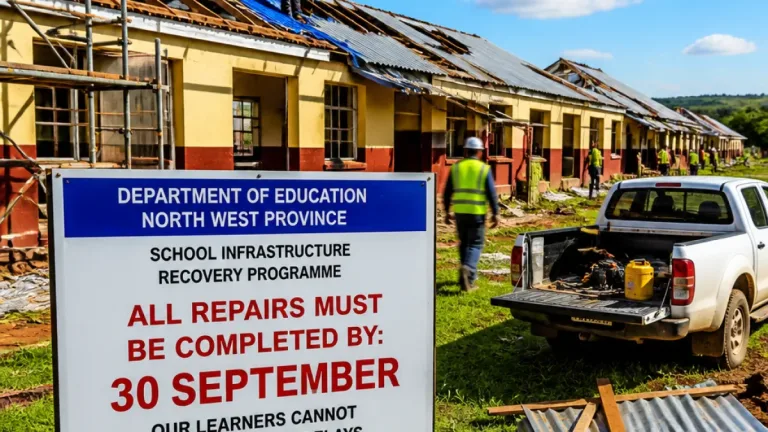
For South Africa, the UN meeting serves as a reminder that crises elsewhere can deepen global competition for scarce education financing and that national commitments to learning outcomes require sustained funding and resilient infrastructure. The figures presented at the UN — millions out of school and many more not meeting learning standards — reinforce the need to focus not only on access but also on classroom-level quality: teacher support, learning materials, and safe, functional school facilities.
The pledges announced at the summit provide some new resources for low-income countries, but the meeting highlighted that current financing remains insufficient to address the scale of need in conflict- and climate-affected communities worldwide.
Policymakers, education departments and civil society organisations will need to consider how international commitments and funding flows can be matched with durable national strategies to protect learning during crises and to reduce the number of children who are either out of school or unable to meet basic learning standards.
As the 2030 target for universal quality education approaches, the summit underscored a hard truth: increasing enrolment alone will not secure learning gains unless governments and donors also invest in safe classrooms, trained teachers and the resources learners need to read, write and calculate.