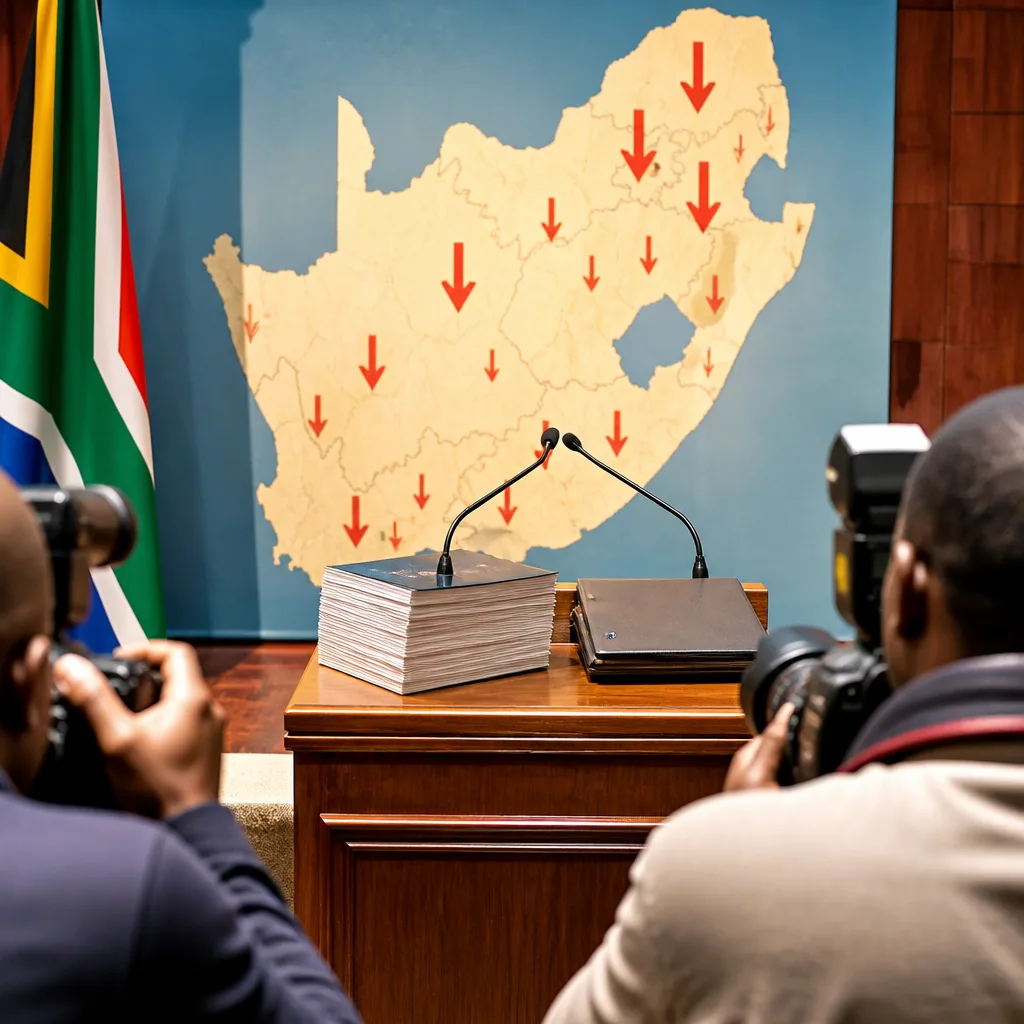
Science, Technology and Innovation Minister Blade Nzimande has urged South Africa to adapt its science and technology policy after changes in international funding priorities and rising geopolitical tensions exposed the country’s vulnerability to external decisions.
Minister flags risks from external dependence
Speaking in Pretoria while releasing the report of the ministerial working group on science, technology and innovation funding, Nzimande said recent actions by key partners underscored the need for a review of how South Africa funds and protects its research programmes. The report follows the withdrawal of US funding from major South African research programmes, particularly those focused on HIV/Aids and tuberculosis.
“Recent events have highlighted the risks of external dependence. During the COVID-19 pandemic, restrictions imposed by the United States, the United Kingdom and countries in Western Europe disrupted access to life‑saving vaccines and therapeutics. In January 2025 the United States government also announced the withdrawal of funding for major health research and clinical programmes in SA.”
The minister pointed to disruptions during the COVID‑19 pandemic and the January 2025 announcement by the United States as examples of how external decisions can affect local health security and research continuity, reported SABC News.
Reassessing partnerships and funding models
Nzimande said South Africa must respond to shifting stances among major partners, naming the United States, the United Kingdom and the European Union as actors whose changing priorities have implications for domestic science policy and funding strategy, according to the report launch briefing.
- The minister released a report from the ministerial working group on science, technology and innovation funding in Pretoria.
- International funding withdrawals have targeted major health research and clinical programmes, particularly in HIV/Aids and tuberculosis.
- Government will need to consider policy changes to reduce reliance on external funding and protect strategic research areas.
The release was accompanied by government social media posts that publicised the briefing at the Ronnie Mamoepa Media Centre in Pretoria, including a tweet by the South African Government sharing photographs of the event.
What this means for researchers and public health
While the minister did not set out immediate funding replacements in the briefing reported by SABC News, the signal from government is clear: policymakers are considering how to insulate priority research and clinical programmes from geopolitical shifts. The focus on HIV/Aids and tuberculosis is significant given South Africa’s long‑standing public health burden in these areas and the role of sustained clinical research in treatment and prevention.
In practical terms, a revised science and technology funding strategy could include measures to diversify funding sources, strengthen domestic investment in priority research, and build contingencies for clinical programmes that depend on foreign partners. The ministerial working group’s report is intended to inform that policy review.
Next steps and context
The minister’s remarks and the report set the stage for further government deliberations on how best to respond to international funding retrenchment. South Africa’s ability to maintain research continuity in key health areas depends on decisions yet to be announced, and those decisions will influence universities, research institutes and clinical trial programmes that have relied on overseas grants.
As the government examines options, the balance between international collaboration and financial resilience will be central to discussions on the future shape of science, technology and innovation policy.