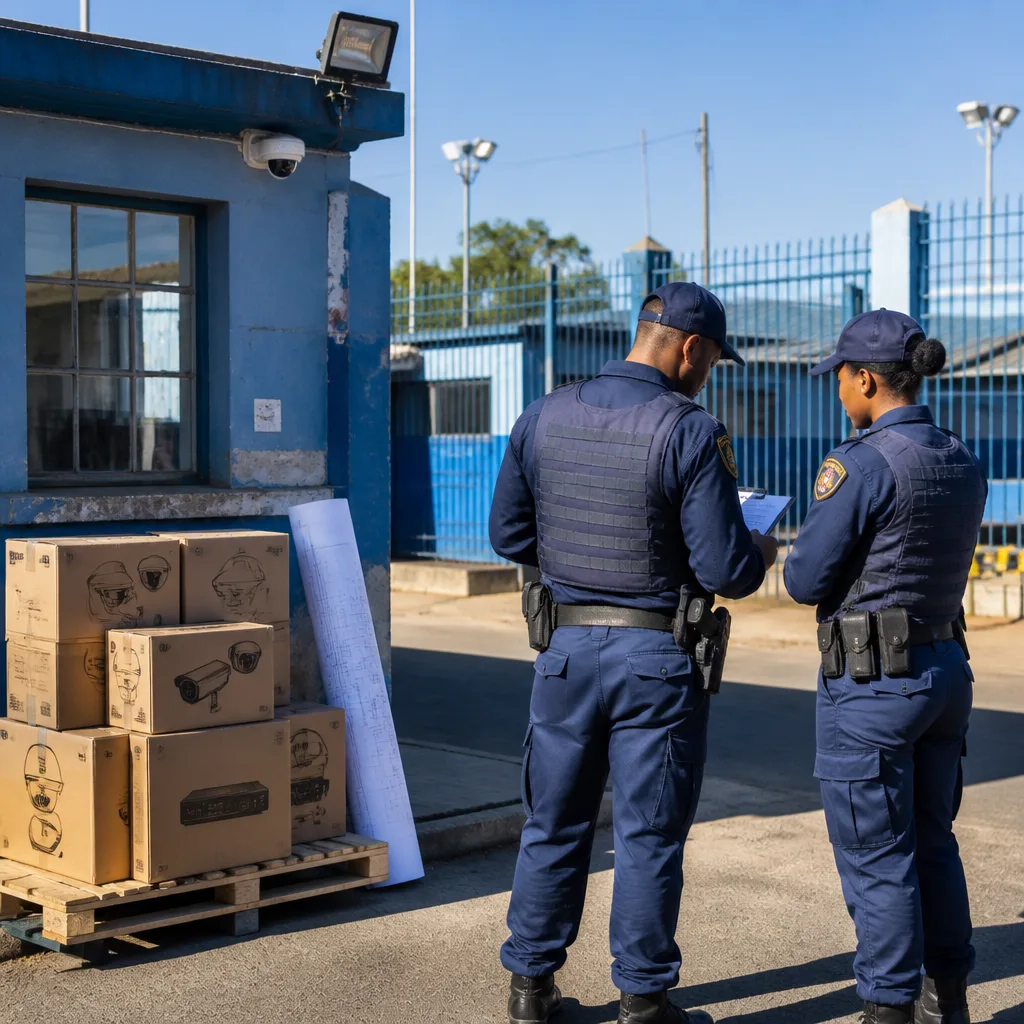
The South African Police Service (SAPS) has designated 140 high-crime police station precincts as the first implementation sites for its new Police Reset Agenda, a programme presented by Acting Police Minister Firoz Cachalia as part of efforts to address leadership failures, corruption and poor operational performance.
What the Reset aims to achieve
The Reset Agenda responds directly to recommendations made by the Madlanga Commission into political interference, crime and corruption in the criminal justice system. According to the plan, the selected station precincts will receive:
- Operational support and stronger oversight
- Additional resources, including infrastructure upgrades
- Closer performance monitoring to improve crime prevention and investigations
The intention is to pilot reforms in these challenging environments and apply lessons learned across the SAPS.
Commanders are pivotal
While the list of 140 stations has not been publicly released, the source material stresses that the selection will likely include stations with heavy caseloads, resource constraints and infrastructure problems. Success, the analysis argues, will rest on the capabilities and authority of the station commanders who lead these precincts.
Station commanders are responsible for a wide range of functions. These include the conduct, performance and discipline of members, the use of human, physical and financial resources, the condition of station premises, and the overall command and control of crime prevention and investigation activities. How commanders lead and manage day-to-day operations affects supervision, resource allocation and community responses to crime.
"These stations will receive operational support, stronger oversight, more resources, infrastructure upgrades and closer performance monitoring."
Practical challenges
The Reset Agenda sets out ambitious institutional reforms but must grapple with on-the-ground realities. The station precincts selected as pilots are likely to:
- face heavy caseloads and complex crime patterns
- operate under significant resource and infrastructure constraints
- require improved detective and intelligence capabilities
For commanders to demonstrate what better policing looks like, they must be empowered with clear authority, access to dependable resources and improved systems for accountability and performance measurement.
Core focus areas
The Police Reset Agenda seeks to strengthen several institutional pillars that underpin policing effectiveness. Key focus areas identified include leadership and governance, intelligence and detective capacity, modernised systems, and better resource management — all intended to rebuild public trust in the SAPS.
| Area | Intended improvement |
|---|---|
| Leadership & Governance | Clearer accountability and performance oversight |
| Intelligence & Detective Capability | Stronger investigations and case resolution |
| Systems & Resources | Modernised tools, infrastructure and better resource allocation |
Consequences and unanswered questions
If implemented effectively, the pilot precincts could provide a template to improve policing nationwide. However, the initiative raises immediate questions: Which stations will be chosen? How will commanders be selected, supported and held accountable? What benchmarks will measure success, and how long before lessons can be scaled?
Observers emphasise that rebuilding trust requires more than policy statements; it requires consistent leadership, measurable outcomes and visible improvements in case detection and community safety. Without empowering and equipping station commanders, the Reset risks becoming a top-down exercise that fails to change everyday policing at the precinct level.
The SAPS has already begun implementing the agenda following the Acting Minister’s presentation at the May budget vote. Close monitoring of the pilot stations and transparent reporting on progress will be necessary to determine whether the Reset can correct the systemic weaknesses identified by the Madlanga Commission.