The South African government has signalled a push to convert the country's mineral wealth and research capacity into a competitive domestic battery industry, saying participation in global electric‑vehicle value chains is an economic imperative.
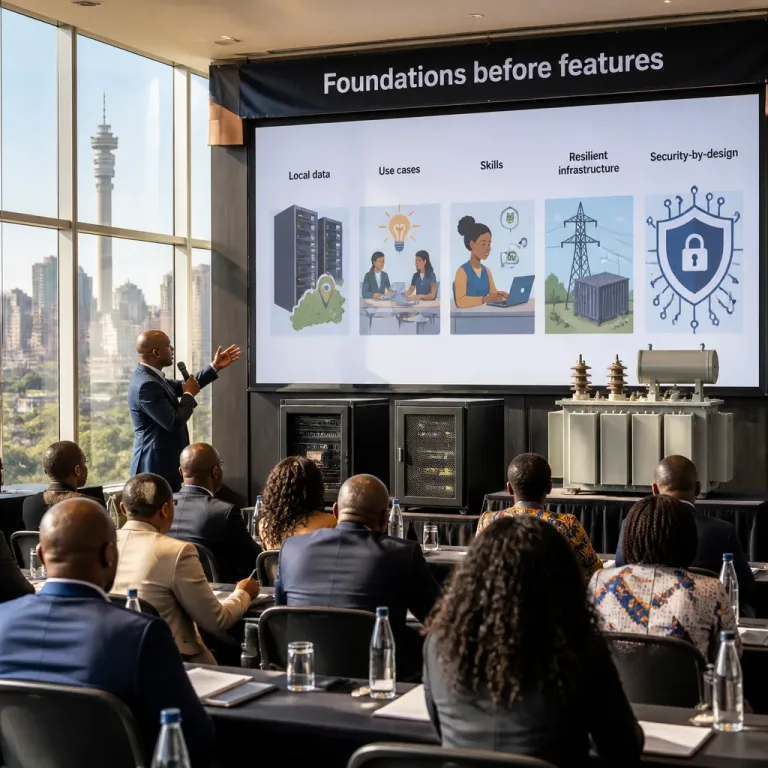
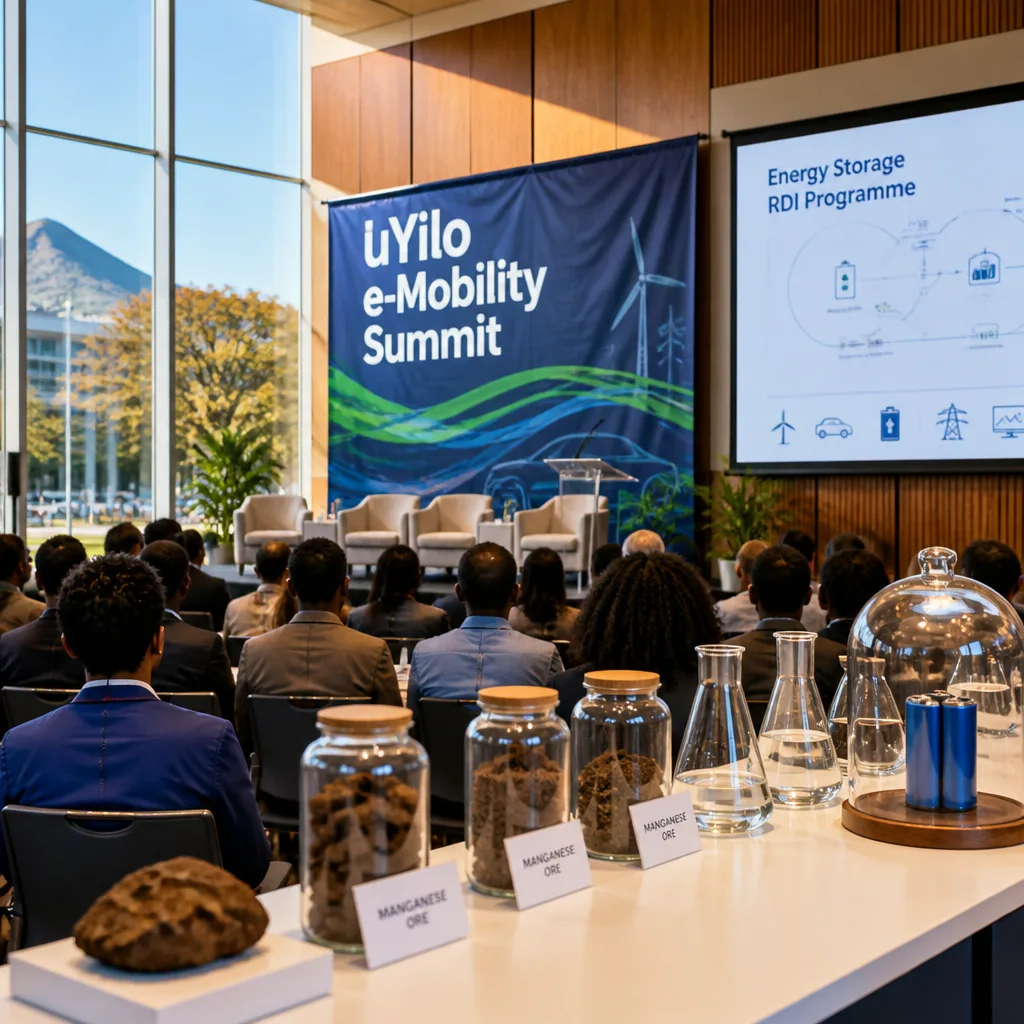
Speaking at the uYilo e‑Mobility Summit 2026 held at Nelson Mandela University in Gqeberha last week, the Deputy Minister of Science, Technology and Innovation said the transition to electric mobility is certain — the critical question is whether South Africa will secure value from it. The summit assembled representatives from government, industry, academia, development partners and technology developers to identify practical steps for accelerating electric mobility and strengthening local participation in emerging value chains.
"The question before us is not whether electric mobility will happen. The question is whether South Africa will capture value from it," the Deputy Minister said.
Policy, minerals and research lined up
The Deputy Minister argued that South Africa already possesses essential inputs to compete: minerals, research capability, an industrial base and policy instruments. She framed the Department of Science, Technology and Innovation’s green transition strategy around two pillars — the hydrogen economy and the battery economy — and highlighted the role of science, technology and innovation in nurturing a locally competitive battery sector.
A central mechanism for this effort is the Energy Storage Research, Development and Innovation (RDI) Programme. According to the department, the programme supports development of technologies, intellectual property and skills intended to strengthen South Africa’s participation in battery and electric‑vehicle value chains.
From ore to battery‑grade material
A tangible milestone presented at the summit was a strategic collaboration between the University of Limpopo and the Manganese Metal Company. The partners have demonstrated pilot‑scale production of battery‑grade manganese sulphate using locally available manganese and locally developed, publicly funded intellectual property.
The initiative advances mineral beneficiation objectives by converting mined manganese into a higher‑value feedstock for lithium‑ion battery manufacture. This kind of downstream conversion is central to the government’s argument that South Africa can capture more value from its natural resources rather than exporting low‑value raw ores.
| Programme / Project | Focus |
|---|---|
| Energy Storage RDI Programme | Support RDI, technologies, IP and skills for battery and EV value chains |
| University of Limpopo – Manganese Metal Company pilot | Pilot‑scale production of battery‑grade manganese sulphate from local manganese |
Why this matters for South Africans
- Jobs and industrialisation — developing local battery manufacturing could stimulate new industrial activity and skilled employment across mining, processing and advanced manufacturing.
- Value retention — beneficiation projects aim to keep more economic value inside the country rather than exporting raw minerals.
- Technology and skills — the RDI programme seeks to build local technological expertise and intellectual property that can underpin a longer‑term industrial base.
The summit underscored that capturing these benefits will require coordination between government policy, academic research, industry investment and development partners. Participants looked to practical programmes — such as the Energy Storage RDI initiative and beneficiation pilots — as starting points to translate policy ambition into scalable industrial activity.
While the Deputy Minister framed the transition as an opportunity South Africa must seize, the summit highlighted that moving from pilot demonstrations to commercial scale will involve further investment, collaboration and policy alignment to ensure the country can participate meaningfully in the global shift to electric mobility.