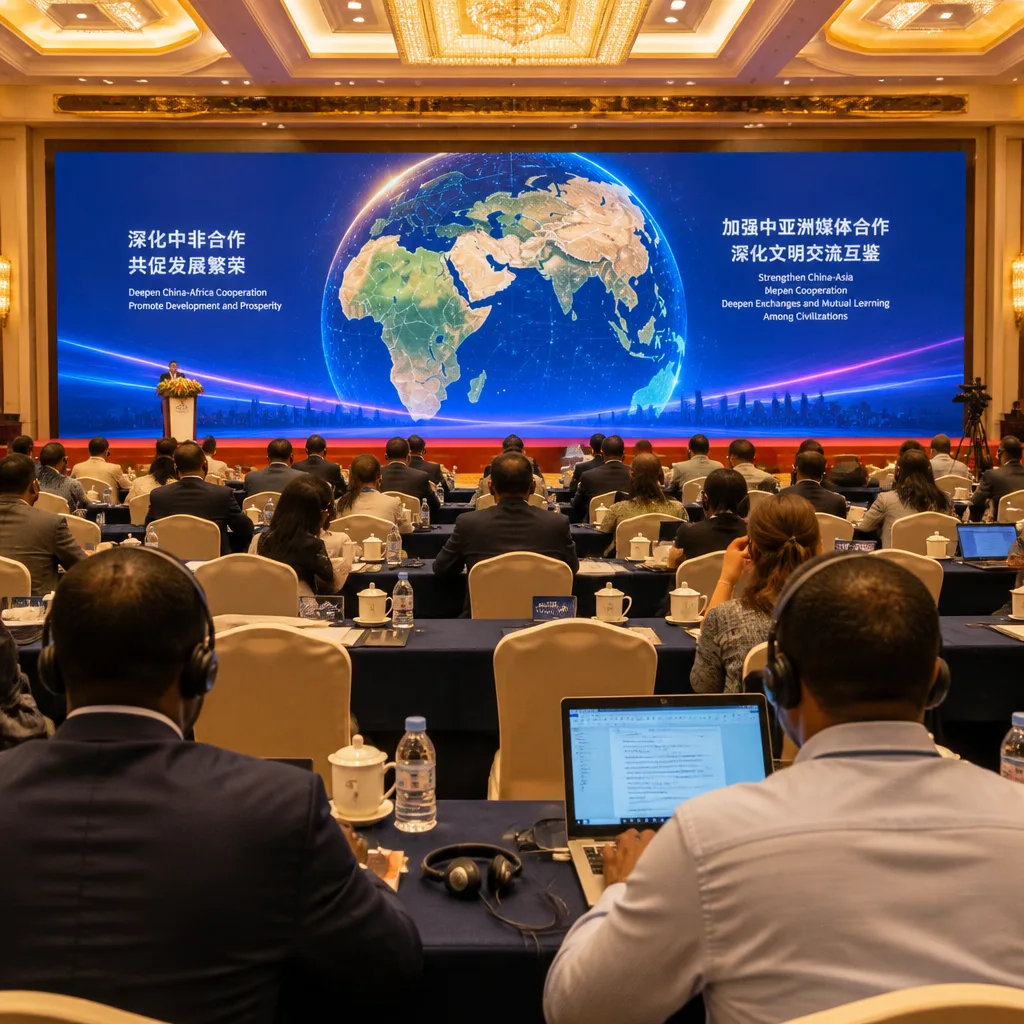
Deputy Minister in the Presidency Kenny Morolong participated in the 7th Forum on China‑Africa Media Cooperation held in Beijing from 19 to 21 August 2026, where South Africa emphasised the role of digital innovation and artificial intelligence in strengthening media ties between China and Africa.
Why the forum mattered for South Africa
The forum brought together government representatives, media organisations and industry stakeholders to discuss broadcasting, audio‑visual services, content innovation and the digital transformation of media. According to the reporting, Morolong used the platform to press for closer cooperation between African and Chinese media institutions and to advocate for a more balanced representation of Africa and the Global South in international media coverage.
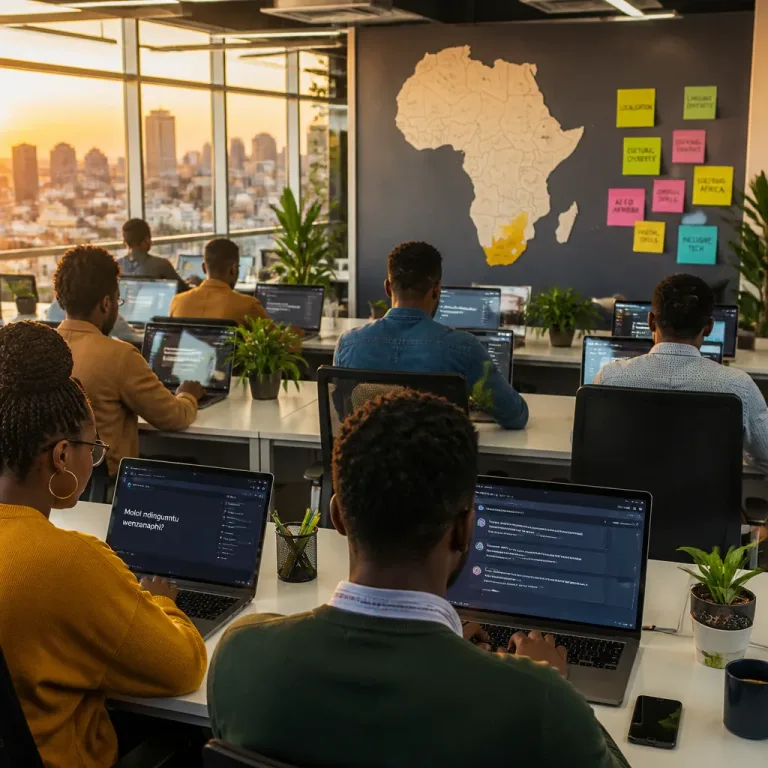
Sessions reportedly covered a wide range of technological and policy issues with particular attention to the implications of AI for content production, audience engagement and the wider digital economy. South Africa’s delegation engaged with Chinese government representatives, media institutions, technology companies and counterparts from other African countries to explore avenues for collaboration.
Technology priorities discussed
The forum highlighted several technology priorities that South Africa is exploring as part of its engagement strategy. These included:
- Digital innovation — adopting new platforms and services to broaden reach and improve content delivery;
- Artificial intelligence (AI) — its use in content creation, metadata generation, personalisation and audience analytics;
- Broadcasting technologies — upgrading infrastructure to support higher‑quality audio‑visual services across borders;
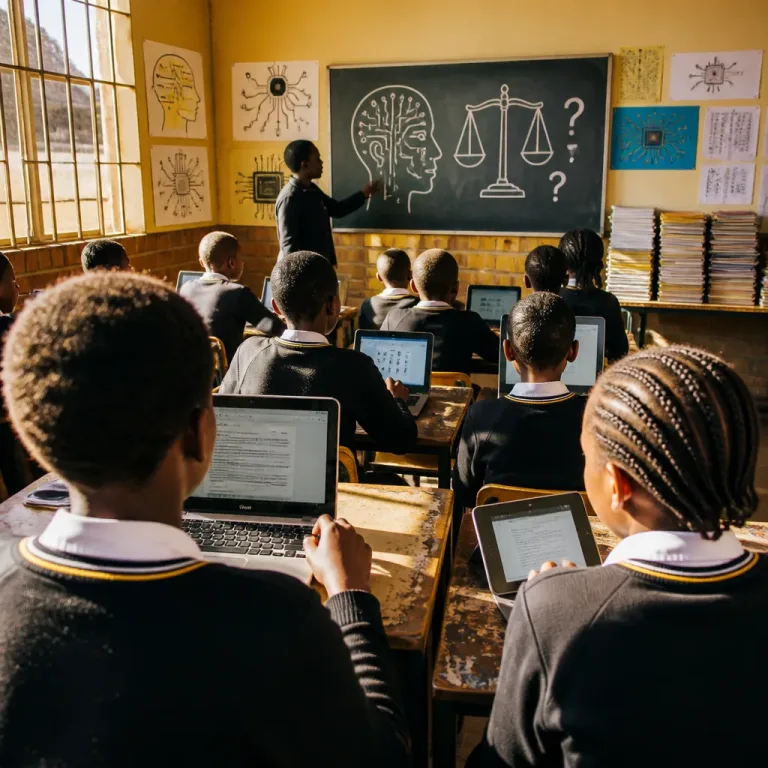
- Skills development — training media professionals to work with new tools and guard against potential harms from automated systems.
These were raised within the broader objective of ensuring that digital transformation supports inclusive development rather than concentrating benefits among already advantaged players.
Representation and cooperation
Morolong’s participation formed part of South Africa’s wider effort to strengthen China‑Africa ties in media and communications. The delegation sought to secure partnerships that could enable African storytellers, producers and broadcasters to access new technologies, training and distribution channels.
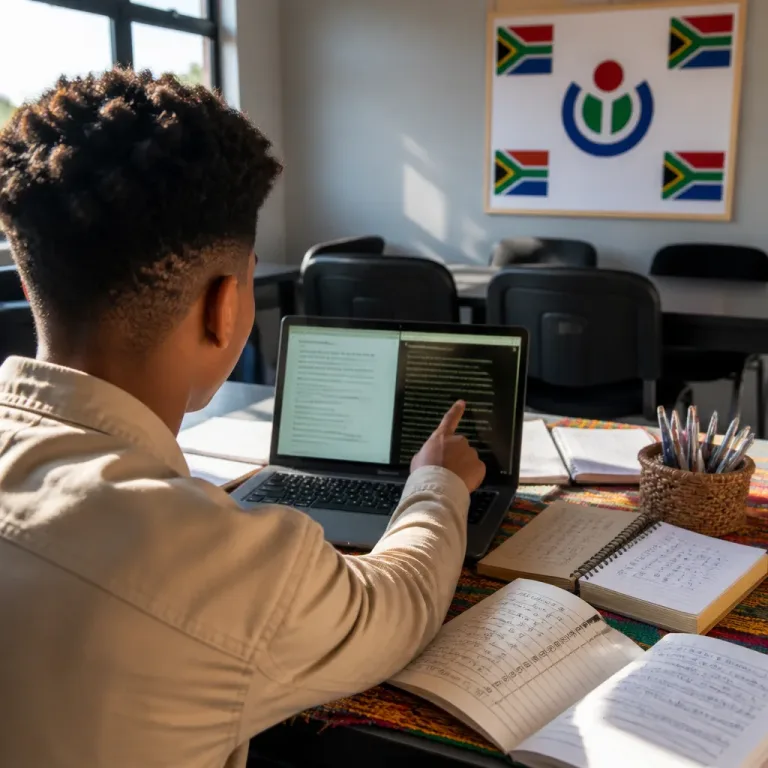
Reporting from the forum noted that both sides explored how technological cooperation could foster people‑to‑people exchanges and allow media organisations to share diverse perspectives more easily across borders. For South Africa, a stated priority was to ensure any partnership preserved space for African editorial independence and promoted balanced international coverage.
What this could mean at home
Stronger media cooperation with China could translate into several practical outcomes for South Africa’s media sector, if agreements reached at the forum are implemented collaboratively and transparently. These include expanded access to broadcasting equipment and platforms, joint training programmes, and pilot projects using AI tools to assist in content discovery and archiving.
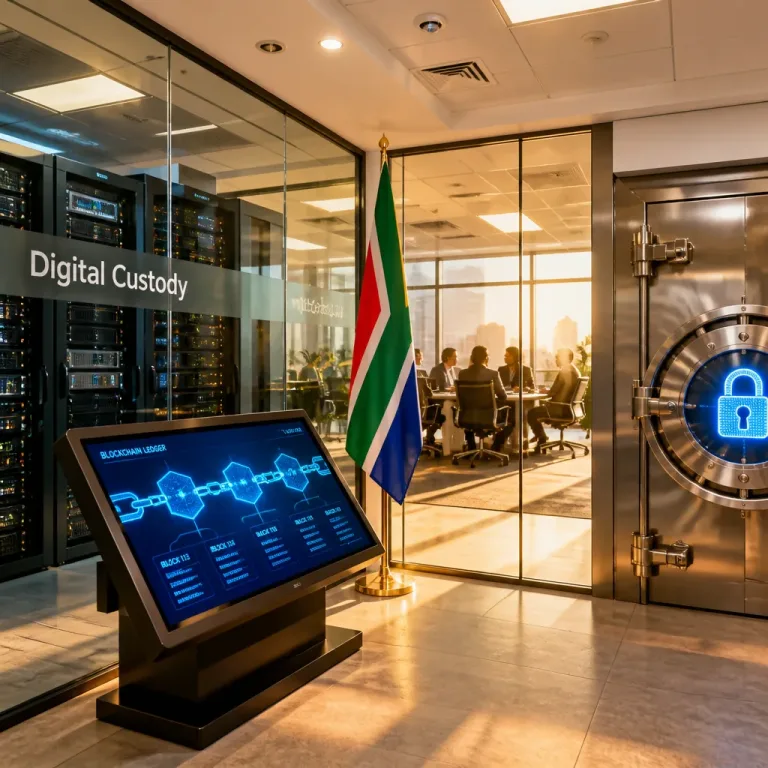
However, the forum’s focus on AI also poses regulatory and ethical questions that South Africa will need to address. These relate to data governance, algorithmic transparency, labour impacts in the creative sector and safeguards against disinformation — areas that were part of the discussions reported at the forum.
As South Africa pursues partnerships with foreign media and technology firms, the balance between technological opportunity and public interest will be central to whether the benefits are realised across the country’s media ecosystem.
| Forum | Date | Main themes |
|---|---|---|
| 7th Forum on China‑Africa Media Cooperation | 19–21 August 2026 | Digital transformation, AI, broadcasting technology, content innovation, skills development |
The forum offered a platform for dialogue on how technological development can support stronger media partnerships while ensuring that African voices are more visible and fairly represented on global platforms. South Africa’s engagement, as reported, emphasised collaboration on technology and capacity building alongside concerns about representation and inclusive development.