IRAN used the 26th Shanghai Cooperation Organization summit in Bishkek to press member states for closer coordination on finance, trade and energy, and to link security concerns with development needs.
President Masoud Pezeshkian set out what Tasnim News Agency reported as three economic proposals intended to deepen intra‑SCO ties. The most concrete of those was a call for enhanced financial and banking cooperation through the creation of an
"SCO Bank", aimed at facilitating payments and investment among member states.
Security and economy presented as inseparable
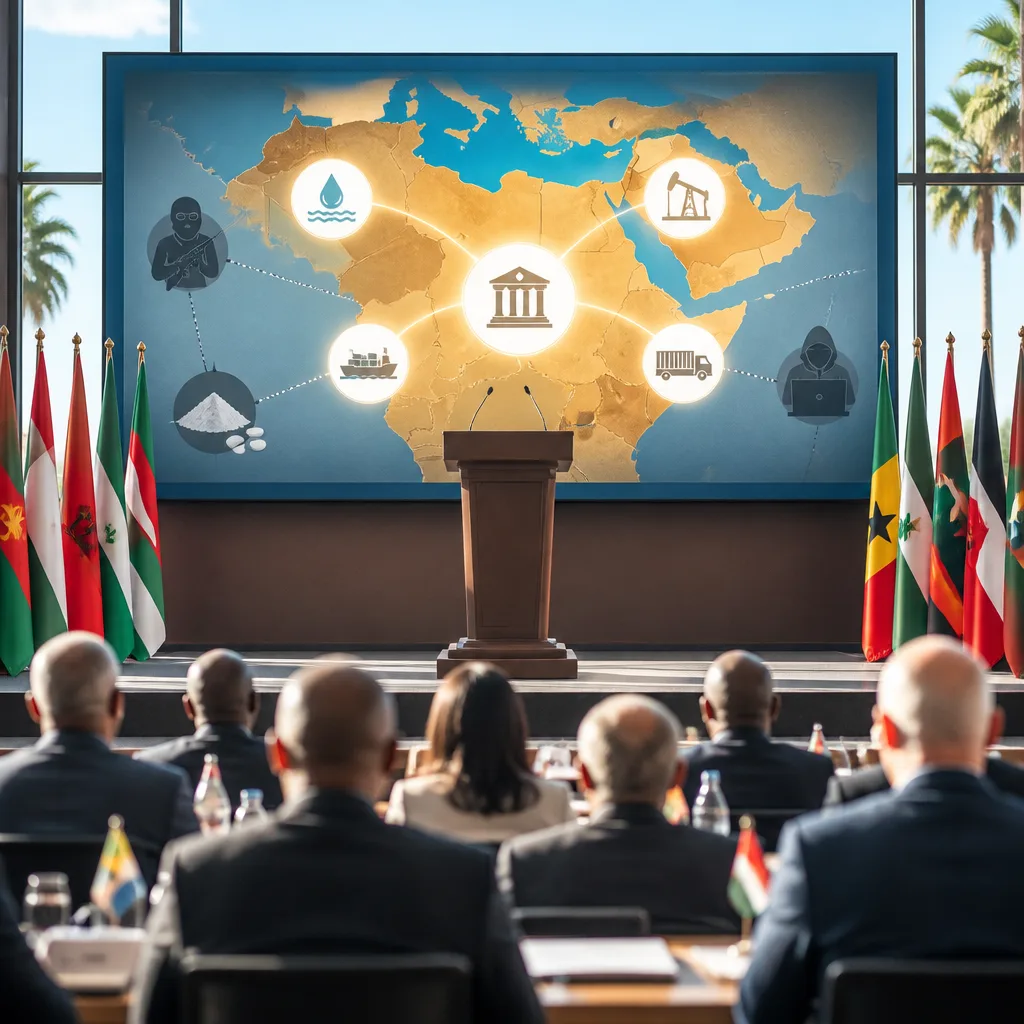
Tasnim reported that Pezeshkian described security and development as mutually reinforcing. In a speech to fellow heads of state he listed a cluster of cross‑border threats — terrorism, violent extremism, drug trafficking, organised crime and cybercrime — and warned that intensifying geopolitical rivalries, unilateral actions and the use of force were compounding regional risks.
The Iranian president also referenced recent developments in West Asia and what the report characterised as "US and Israeli attacks against Iran", describing them as contrary to United Nations principles and international law. He recounted the course of what the report called a war of aggression against Iran and reiterated Tehran’s position regarding commitments in the Islamabad memorandum of understanding.
Economic measures proposed
Beyond the bank proposal, Tasnim said Pezeshkian urged measures to boost trade and investment and to reinforce energy security across the bloc. He identified the following priorities for economic cooperation:
- easing customs and trade facilitation;
- expanding transport corridors and transit capacity;
- linking ports and logistics centres; and
- building more resilient supply chains.
The report notes a second proposal for the establishment of an export insurance and investment mechanism but the published account is truncated before that initiative is fully described.
| Proposal | Reported detail |
|---|---|
| SCO Bank | Deepen financial and banking cooperation to support payments and investment (proposed) |
| Export insurance / investment facility | Reportedly proposed but details not fully published in the Tasnim dispatch |
| Third initiative | Referenced by Pezeshkian as part of three economic measures; Tasnim's report does not provide the full text |
Why it matters
The SCO groups major Eurasian states — including China, Russia and several Central Asian republics — and acts as a platform for security and economic cooperation that sits outside the Western institutional orbit. Proposals to create an SCO‑level bank or insurance vehicle are significant for two reasons.
- They aim to reduce dependency on Western financial infrastructure and offer members alternatives for settling trade and financing projects.
- They could accelerate regional infrastructure and energy projects that strengthen intra‑SCO trade links and transit routes.
For member states, the benefits are clearer markets, smoother logistics and potentially cheaper financing for cross‑border projects. The costs and trade‑offs include negotiating governance, currency arrangements and credit risk sharing among partners with diverse political and economic systems.
Tasnim's account portrays Iran as seeking to shape the SCO's economic agenda while underlining its security grievances. Whether other members will embrace the bank proposal, or the broader set of measures, depends on detailed design, who capitalises the facilities and how they mesh with existing national and multilateral arrangements.
For South African readers, the developments are a reminder that alternative institutional architectures are being advanced across Eurasia. Such proposals have potential strategic and commercial implications for countries seeking new markets and financing partners outside the established Western frameworks.
The details of Pezeshkian’s full package and the SCO’s response were not available in Tasnim’s dispatch; further reporting from summit communiqués and member statements will be needed to assess whether the initiatives gain traction.