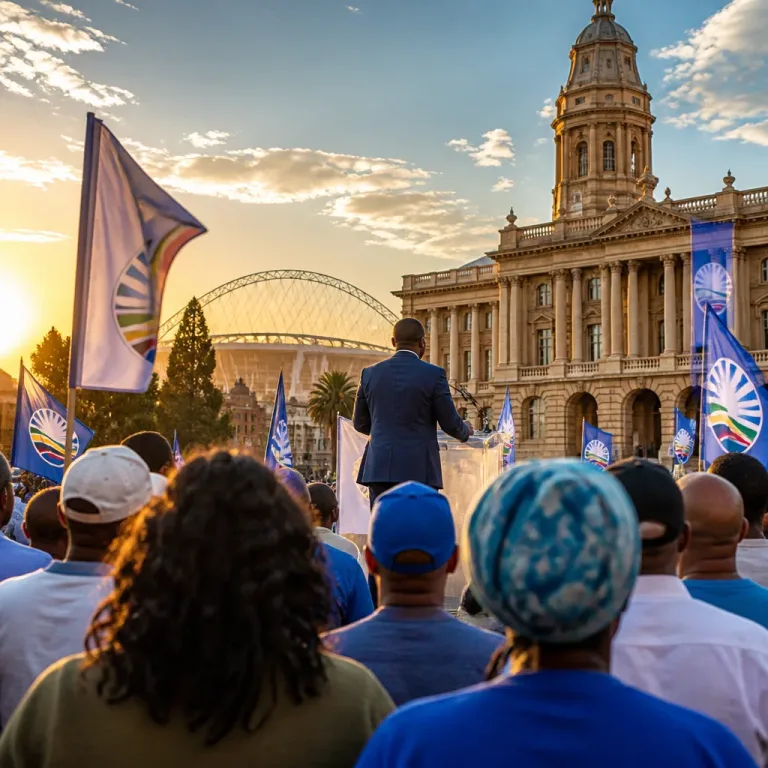
Bloemfontein — A dispute over how full the venue was at the African National Congress (ANC) Free State manifesto launch on Saturday has diverted attention from the policies the party intended to present ahead of the local government elections.
Attendance becomes the story
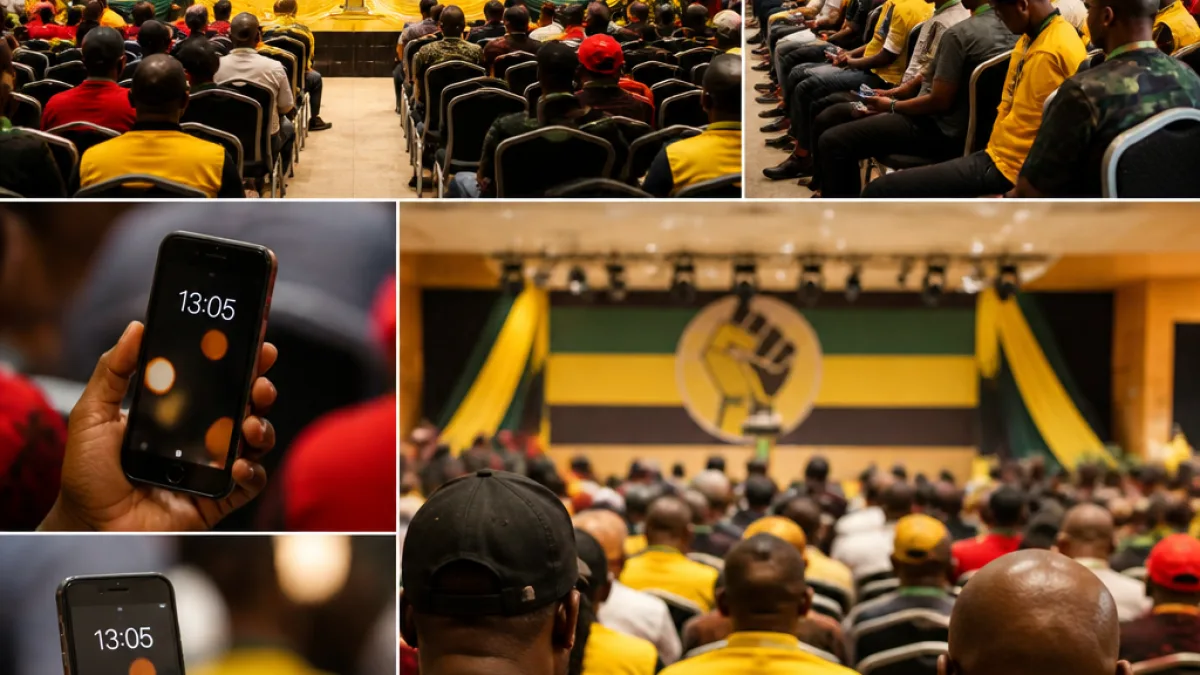
Organisers insisted the event drew strong support, while critics and independent observers said the venue was not full. According to time-stamped photographs published on the day, taken at 13h05, the hall appeared to be around 80% full. The same report noted that images taken from different vantage points — the front, side and back of the hall — produced contrasting impressions of crowd size.
The debate over attendance grew quickly on social media and in comment pieces, drawing attention away from the manifesto document and the ANC’s pitch to voters. The coverage included commentary about the forcefulness of some speakers and questions about whether the launch achieved its core purpose: giving residents a clear reason to vote ANC in the local government elections.
Speakers and messaging
The ANCYL leader’s address was described in the report as delivering “the punch”, with a message characterised as truthful by those present. Beyond that, the event drew criticism that personal and factional remarks — referenced in reporting as comments about individuals such as Mathae and references to Charlotte Maxeke — risked muddling the manifesto’s policy content.
"We were there, the venue was not full but you can defend your porridge."
The comment, published in the original reporting, typified the tone of some observers: sceptical about claims of a packed hall while noting that supporters might defend the organisers’ version of events.
Why attendance matters
For a political party launching a manifesto, visible attendance serves several purposes: it signals grassroots support, helps media coverage focus on policy rather than optics, and bolsters credibility in the run-up to elections. When the conversation centres on photos and crowd size, the substantive proposals in the manifesto risk being sidelined.
- Organisers’ claim: the launch conveyed the ANC’s message and demonstrated support.
- Critics’ claim: photographs and on-the-ground observation indicate the venue was not full.
- Independent detail: time-stamped pictures (13h05) showed about 80% occupancy, but camera angles varied.
- Outcome: optics overshadowed manifesto debate.
Conflicting images and perception
The published account emphasised that photographs taken from the front and side of the venue presented a different impression from those taken from the back. Such variation is not uncommon at political events: camera angle, focal length and the moment a picture is taken can affect perceived attendance. Nevertheless, when competing versions circulate, they can become a political talking point in themselves.
| Viewpoint | Perceived fullness |
|---|---|
| Front / side photographs | Appeared fuller |
| Back photographs | Appeared less full |
| Time-stamped images (13h05) | About 80% full |
Impact on the campaign
Campaign launches are opportunities to set the agenda. In this instance, the attention on venue capacity limited public discussion of the manifesto’s commitments. The original report observed that instead of sustained deliberation about policy proposals, commentary turned to optics and interpersonal dynamics within the party and its youth wing.
Political communications specialists often advise parties to manage both substance and optics closely. If the manifesto’s proposals are substantive, losing focus to attendance disputes reduces the chance voters engage with the policy choices on offer.
Broader context and what to watch
The report that documented the event included a mixture of on-site observation and commentary. It also carried a request for reader support, noting that even small donations — such as R10 — help sustain independent reporting. That appeal signals the continuing role of local media in documenting campaign activity and holding political actors to account during the election period.
Going forward, voters and journalists alike will be watching how the ANC Free State moves to keep the focus on policy rather than optics in the days ahead, and whether other parties seize the space to outline clear alternatives on service delivery and municipal governance.
Source: reporting from Bloemfontein, based on on-site coverage and time-stamped photographs published on the day.