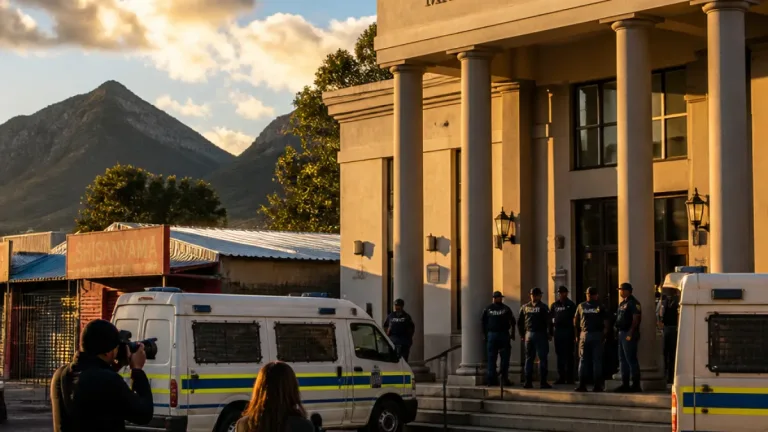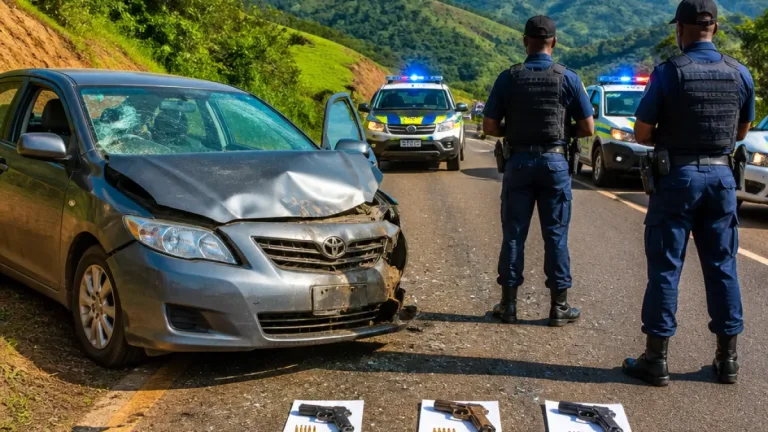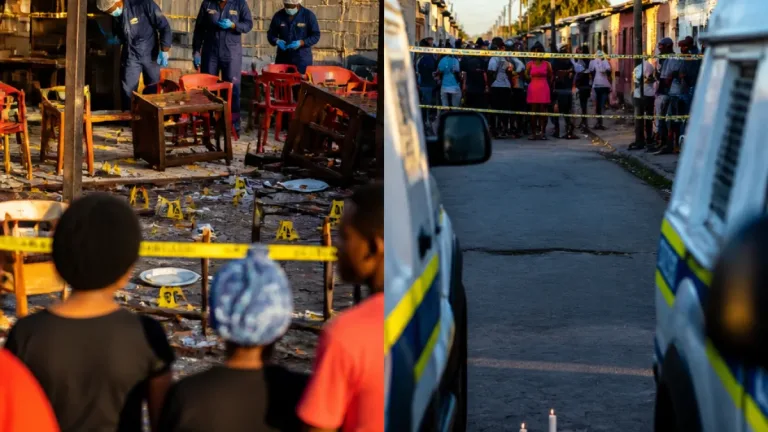
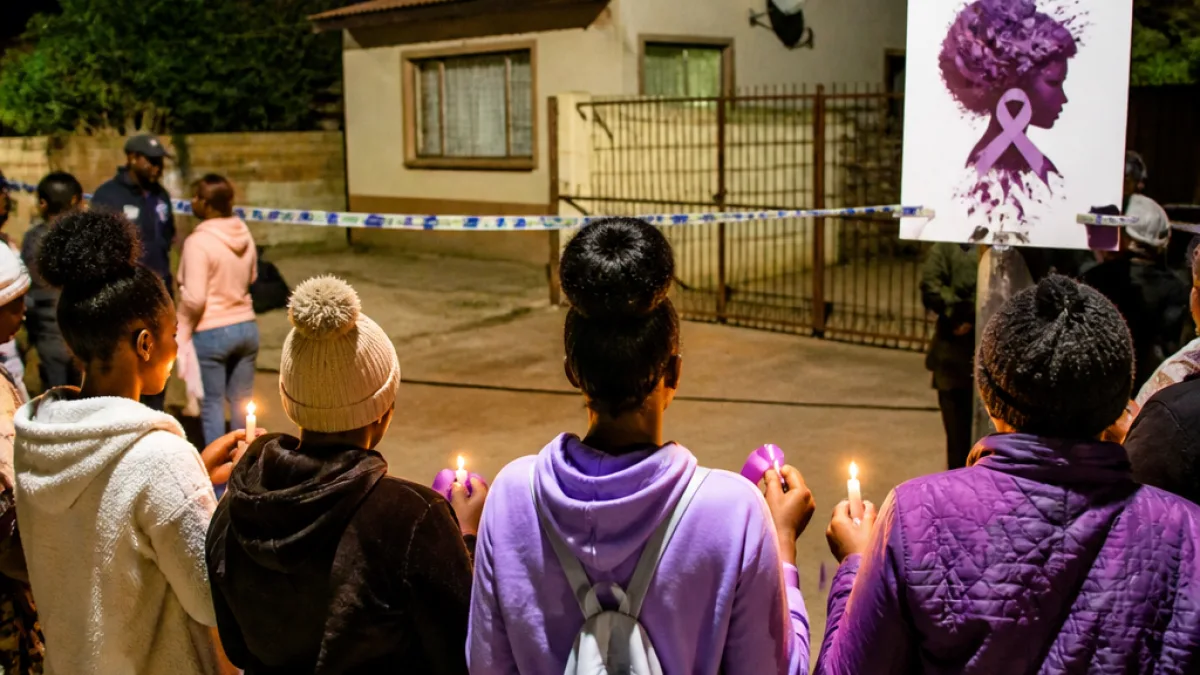
VENTERSBURG, FREE STATE — The alleged killing of Sanna Nomvula Mandla by her intimate partner at about 22:00 on Saturday, 22 August, has prompted renewed calls across the Free State to reject the normalisation of violence against women and to bolster support for families affected by gender-based violence and femicide (GBVF).
The provincial response
Free State Social Development MEC Mathabo Hlalele condemned the incident and described it as a reminder that the struggle for the emancipation of women is far from over, particularly as the country marks Women’s Month. Hlalele said the killing should not be treated as an isolated event but as part of broader patterns of intimate partner violence rooted in unequal power relations.
“The killing of Sanna Nomvula Mandla is a painful reminder that our struggle for the emancipation of women is far from over,”
Hlalele said the continued killing of women by people close to them undermines the rights and dignity that South Africa’s democracy aims to protect. She urged men and young people to become active partners in efforts to curb GBVF, and called for stronger cooperation between government departments, law enforcement agencies, community organisations, traditional and community leaders, civil society and families.
Women’s Month and wider concerns
The incident in Ventersburg occurred during Women’s Month, a period when South Africa remembers the 1956 Women’s March and reflects on gains made for gender equality. Hlalele emphasised that commemoration must extend beyond ceremonies: she said it should lead to confronting underlying challenges such as poverty, unemployment, abuse and violence affecting women in communities.
She recalled the spirit of the women who marched in 1956, saying that their refusal to accept inferior treatment remains relevant because many women today are still denied the most fundamental right — the right to live.
Calls for community and institutional action
Hlalele urged stakeholders to watch for early warning signs of intimate partner violence and to act collectively to prevent escalation. She framed the response as requiring both cultural and institutional shifts: tackling patriarchy and unequal power relations, and ensuring coordinated, practical support for survivors and families.
- Provincial government: lead coordination among departments and community actors.
- Law enforcement agencies: investigate and prioritise GBVF cases and protection for survivors.
- Community leaders and civil society: promote prevention, early intervention and support services.
What this means locally
The killing in Ventersburg again highlights the vulnerability of women in intimate relationships and underscores the need for accessible support systems in towns across the Free State. While provincial leaders have issued statements, practical follow-up — from investigations by police to social services for affected families — will determine whether rhetoric translates into reduced risk for women on the ground.
| Issue | Call to action |
|---|---|
| Normalisation of violence | Community awareness and cultural change |
| Survivor support | Coordinated services from social development and civil society |
| Prevention | Engaging men and youth as partners |
Provincial officials have stressed that commemorations during Women’s Month should catalyse concrete measures addressing the socioeconomic factors that increase vulnerability, including poverty and unemployment. Hlalele urged that efforts be sustained beyond symbolic events.
The matter of the alleged shooting in Ventersburg has been reported publicly by media outlets. Further details about the police investigation and any charges were not provided in the provincial statement. Families and community members seeking clarity about investigative steps should contact local SAPS offices for updates.
This incident joins a pattern of GBVF cases across the country that have prompted national and provincial initiatives to strengthen prevention and response. For residents concerned about safety or in need of assistance, provincial social development departments and local community organisations can provide guidance on available services; victims should also approach their nearest police station to open a case and request protection measures where necessary.
The provincial call from Hlalele is clear: commemorations that honour past struggles must be matched by collective action now to stop the killing of women and to protect the dignity and rights of all women in the Free State.