
The Electoral Court has dismissed an application by the African National Congress (ANC) to reinstate candidates who were excluded from the ballot for November’s local government elections after the party failed to complete the nomination process before the Independent Electoral Commission’s (IEC) 28 August deadline.
What the court found and what went wrong
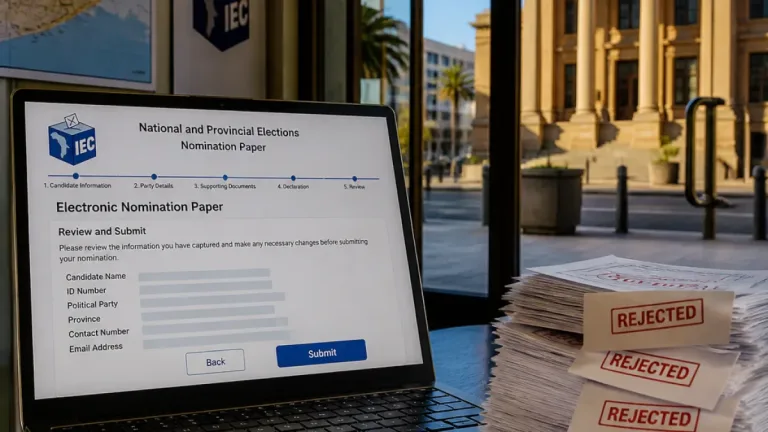
The dispute centres on the ANC’s use of the IEC’s online nominations system. According to the court record reported, party officials uploaded candidate details and supporting documents before the 5pm cut-off on 28 August but did not activate the final electronic step, labelled “submit as final”. The ANC argued that the information was already in the IEC’s possession and that the final click was not required by electoral law. The IEC maintained its system was working and that the party failed to complete the process.
The Electoral Court sided with the IEC and dismissed the ANC’s challenge. The ruling has immediate consequences for six municipalities spread across three provinces, including the Mangaung metro in the Free State.
“We intend to appeal the ruling and call on our members and supporters to remain calm and disciplined while the legal process continues,”
The statement, attributed to the ANC, confirms the party will pursue further legal avenues. Unless an appeal succeeds, the affected candidates will remain excluded from the ballot and the party’s ability to win seats in those councils will be materially weakened.
Municipalities affected
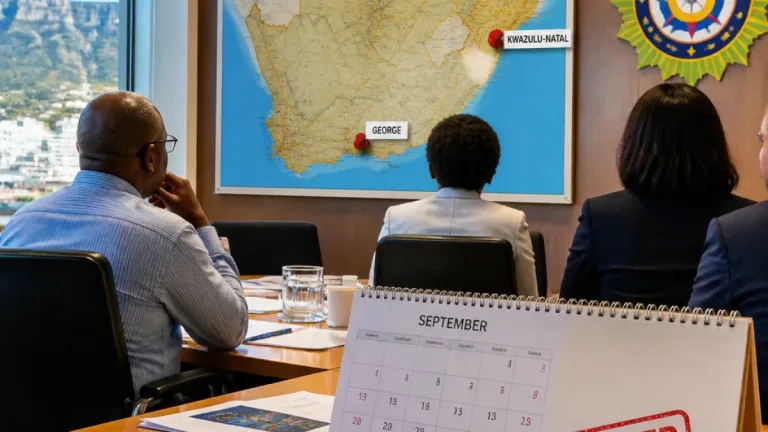
Five of the affected municipalities are in the Eastern Cape and KwaZulu‑Natal, and one is in the Free State. In two municipalities the ANC failed to submit any candidate lists at all; in the other four, only the proportional representation (PR) lists were not completed.
- Port St Johns (Eastern Cape) — no ward or PR candidates submitted.
- Ingquza Hills / Flagstaff (Eastern Cape) — no ward or PR candidates submitted.
- Walter Sisulu / Burgersdorp (Eastern Cape) — PR candidates not registered.
- Sundays River Valley (Eastern Cape) — PR candidates not registered.
- Mangaung (Free State) — PR candidates not registered.
- uMshwathi / Wartburg (KwaZulu‑Natal) — PR candidates not registered.
| Municipality | Province | Issue |
|---|---|---|
| Port St Johns | Eastern Cape | No ward or PR candidates |
| Ingquza Hills (Flagstaff) | Eastern Cape | No ward or PR candidates |
| Walter Sisulu (Burgersdorp) | Eastern Cape | PR candidates not registered |
| Sundays River Valley | Eastern Cape | PR candidates not registered |
| Mangaung | Free State | PR candidates not registered |
| uMshwathi (Wartburg) | KwaZulu‑Natal | PR candidates not registered |
Local implications, especially for Mangaung
Mangaung is the Free State’s largest metro and is politically significant for both the ANC and opposition parties. The exclusion of PR candidates could reduce the party’s overall seat tally in the council even where it still contests ward seats. That loss of proportional representation seats may alter coalition dynamics and the formation of a governing majority after the election.
In the two Eastern Cape municipalities where no candidates were registered at all — Port St Johns and Ingquza Hills — the impact is deeper: historically strong ANC support in those areas means there will be no ANC choice on the ballot unless the legal process reverses the exclusions.
What happens next
The ANC has said it will appeal the Electoral Court decision. Appeals of this nature move to higher courts and can take time; they must be lodged promptly and follow legal grounds set out in electoral legislation. Until a successful appeal is secured, the IEC’s ballot papers stand as prepared, which may lock in the absence of ANC candidates in some municipalities.
The IEC’s position — that its system was functional and the ANC did not complete the final submission — highlights the administrative responsibilities political parties carry when using the commission’s digital nomination infrastructure. The ruling is likely to prompt renewed scrutiny of nomination processes ahead of the close of nominations for future elections.
Why voters should care
Local government elections determine who controls service delivery, local budgets and planning. The removal of a major party from ballots can reshape council composition, influence coalition outcomes and affect how municipalities are run for the coming term. Voters in the affected municipalities will need to check final ballot papers and candidate lists released by the IEC to know which parties and candidates they can vote for on election day.
For now, the immediate legal contest will determine whether the exclusions are temporary or permanent ahead of the November vote.