Opposition challenges DA over housing quality; Bloemfontein used as point of comparison
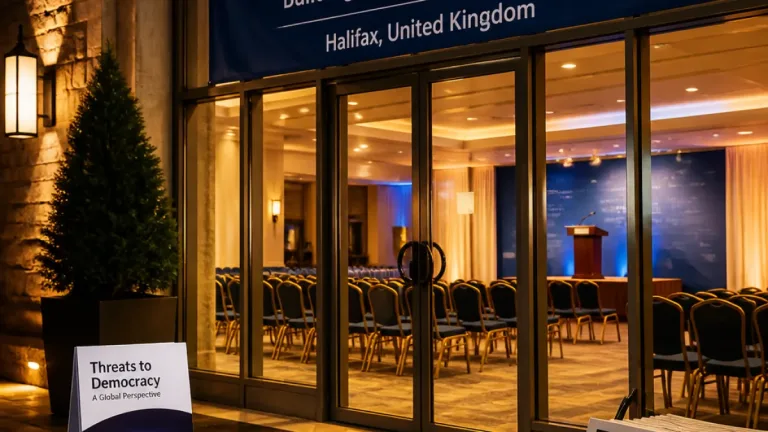
Opposition parties at an IOL election debate on Thursday questioned the Democratic Alliance’s record on affordable housing in Cape Town, arguing that the city’s programmes did not always deliver dignified or safe accommodation. In the course of the debate a representative said conditions in Bloemfontein, despite problems, offered more adequate housing than some parts of the Cape Flats.
The DA’s deputy mayor in Cape Town, Eddie Andrews, defended the party’s record, saying the city had produced the most affordable housing opportunities of any municipality and pointing to confirmation from the national minister of Human Settlements, according to reporting by the Cape Times.
“Don’t just take our word for it. The City of Cape Town has produced the most affordable housing opportunities out of all municipalities,” Andrews said, as reported in the Cape Times.
But critics at the debate questioned whether the housing that had been delivered met basic standards of dignity, safety and long‑term habitability. Fadiel Adams, representing the National Civic Council (NCC), said there were numerous controversies around contractors used by the city and urged national oversight.
“There have been so many controversies around the contractors the City uses. The minister must come to the Cape Flats and see the state of affordable housing,” Adams was quoted as saying.
Adams drew a direct comparison with Bloemfontein, saying: “I was in Bloemfontein. That place is falling apart, but at least people have decent housing. Here on the Cape Flats, people stay in one big room with a toilet. Is that dignified?” That remark framed Bloemfontein as a relative benchmark in a debate about whether new housing built by the City of Cape Town provides acceptable living conditions.
Also at the event, Faiez Jacobs of the African National Congress called for a change in government, alleging the DA had failed to deliver dignified housing during its more than 20 years in power in Cape Town.
What this means for Bloemfontein residents
While the debate was focused on Cape Town’s housing policy, Bloemfontein residents may want to note three practical implications:
- National comparisons shape perceptions: City managers and housing authorities in other provinces can be referenced in national debates; Bloemfontein’s built environment is now part of that comparative discourse.
- Scrutiny of contractors: Concerns raised about contractor quality and oversight in Cape Town highlight a national issue: the need for robust contractor vetting and post‑construction inspection wherever affordable housing projects are built.
- Policy attention: If national ministers are urged to inspect problematic projects, provinces and municipalities may face increased monitoring and possible funding or compliance changes that could affect future housing projects in the Free State.
Claims and criticisms set out
| Claim | Source |
|---|---|
| The City of Cape Town has produced the most affordable housing opportunities of any municipality | Deputy Mayor Eddie Andrews, as reported by the Cape Times |
| Housing quality and contractor controversies have produced undignified accommodation on the Cape Flats | Fadiel Adams (NCC), as reported by the Cape Times |
| DA has failed to deliver dignified housing over more than 20 years in Cape Town | Faiez Jacobs (ANC), as reported by the Cape Times |
The debate illustrates how housing delivery is both a technical and political issue: statistics about units delivered are weighed against residents’ lived experience of space, safety and long‑term durability. Local governments across South Africa — including in the Free State — face similar tensions between increasing supply quickly and ensuring construction and spatial outcomes meet community needs.
For Bloemfontein residents, that the city was used as a comparative yardstick underscores the importance of ongoing maintenance and investment in existing housing stock as well as careful oversight of new projects. National and municipal departments of human settlements routinely balance competing priorities and will likely continue to face scrutiny from political opponents and civic organisations ahead of the elections.
Reporting for the Cape Times provided the details summarised here.