Prospective mayoral candidates for the eThekwini Municipality outlined sharply differing strategies this week to tackle the city’s persistent service‑delivery failures, telling voters they had plans to restore running water, stop sewage spillages and stabilise electricity supply ahead of the 2026 local government elections.
Service delivery at the heart of campaign
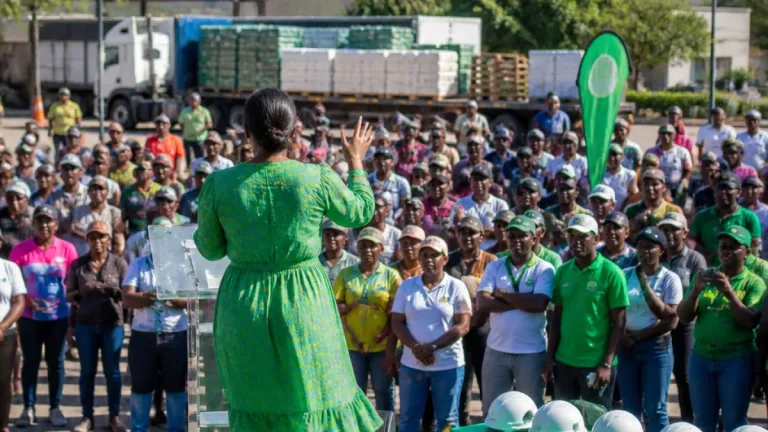
The forum, held as part of IOL’s 2026 Town Hall Debate, brought together party representatives and mayoral hopefuls who addressed problems that have dogged the metro for years: water shortages, burst pipes, sewage overflows, unreliable electricity, refuse collection backlogs and deteriorating roads.
Some speakers also highlighted administrative strains, pointing to widespread billing disputes, faulty or estimated meter readings and difficulties for residents trying to resolve municipal account queries.
Sixty‑nine political parties have registered to contest the eThekwini mayoral seat. Several contenders used the platform to set out how they plan to restore basic services and improve municipal accountability.
Where parties stand
The eThekwini Ratepayers Political Movement (ERPM) said it had entered the political arena five years ago with the intention of representing ratepayers and reforming the municipal system from within. Asad Gaffar spoke for the ERPM at the debate.
The African National Congress (ANC), represented by Thabani Nyawose, who is the ANC chairperson in the eThekwini region and a mayoral candidate, defended the party’s record. Nyawose said the ANC had invested in water infrastructure and would continue efforts to improve service delivery.
“We have done a lot for the people. They appreciate what we have done. They raised some challenges where we did not meet their expectations. We will continue to deliver quality services to the people,”
speaking at the event, Nyawose said the party would “improve and do better” where residents expected more.
The Democratic Alliance (DA), represented by councillor Alicia Kissoon and the DA eThekwini caucus chairperson, criticised the municipality’s financial management and infrastructure performance. Kissoon said taps were running dry and flagged uncollected debt of R50 billion as a major problem, along with unauthorised, irregular, fruitless and wasteful expenditure.
Accountability and municipal finance
Financial stewardship was a recurring theme. Candidates debated debt collection, the integrity of municipal spending and governance measures to curb wasteful expenditure. Billing and meter‑reading failures were cited as additional drivers of distrust between residents and the municipality.
The converging concerns — service interruptions, crumbling infrastructure and municipal finance woes — point to a central question for voters in 2026: who can restore reliable day‑to‑day services while tightening financial controls?
What residents can expect from candidates
Speakers at the debate promised a mixture of infrastructure investment, operational fixes and governance reforms. Specific proposals ranged from targeted water‑infrastructure spending to measures to resolve billing disputes more rapidly.
- Targeted investments in water infrastructure and maintenance to reduce outages.
- Stronger oversight to curb unauthorised and wasteful municipal expenditure.
- Improved billing systems and faster resolution of meter and account disputes.
- Prioritised response to sewage spillages and refuse collection backlogs.
| Issue | Raised by | Proposed focus |
|---|---|---|
| Water shortages | Multiple candidates | Investment in infrastructure and maintenance |
| Sewage spillages | Multiple candidates | Rapid response teams and upgrades |
| Municipal debt | DA (Alicia Kissoon) | Improved revenue collection and expenditure oversight |
While the debate provided a forum for public scrutiny, the practical test for any incoming administration will be converting promises into sustained improvements in service delivery, particularly in poorer areas and informal settlements that bear the brunt of infrastructure failures.
With 69 parties vying for control of the municipality, coalition dynamics may also shape how any future mayor implements plans. That prospect adds another layer of uncertainty for residents seeking swift solutions to everyday problems such as running taps, blocked sewers and unreliable electricity.
As campaigning intensifies in the months ahead, voters in eThekwini will be watching whether candidates move from pledges to concrete, funded plans that address both the immediate breakdowns and the deeper governance and financial issues that underpin them.