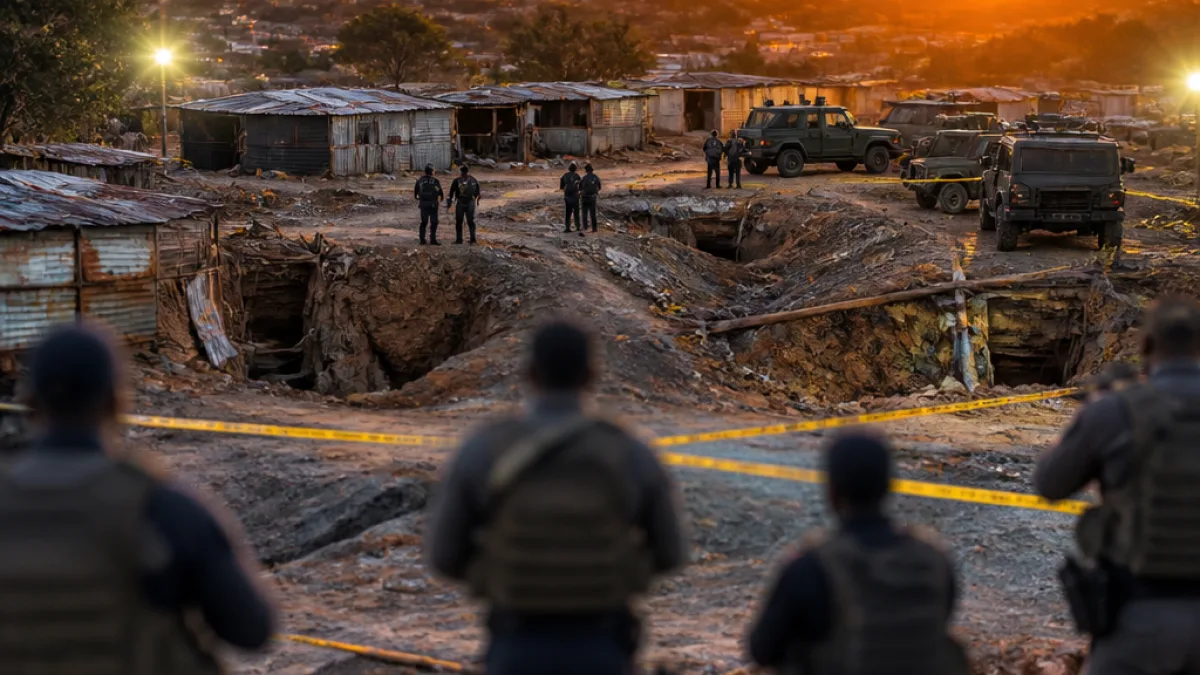
President Cyril Ramaphosa has approved the deployment of 510 South African National Defence Force (SANDF) members to KwaZulu‑Natal to support police efforts to contain volatile anti‑immigration protests in Durban and surrounding areas.
Scope and cost of the deployment
The deployment, authorised in a notice to Parliament dated 21 October, will run until 30 November and forms part of Operation Prosper, a joint security operation active across several provinces. Government says the arrangement will cost R34 million.
The President is required by the Constitution to inform Parliament in writing whenever SANDF personnel are deployed internally. The notice details the scale — 510 members — and that they will be deployed in support of policing operations, rather than as the primary law‑enforcement authority.
Why troops are being sent
Authorities say recent unrest in Durban was fuelled in part by misinformation about a court judgment, which contributed to violent anti‑immigration demonstrations. The protests have included attacks on businesses and homes, and come amid heightened tensions over migration in parts of the metro.
Members of the SANDF will be “on standby for any eventualities”.
The deployment notice follows a spate of incidents in which at least one person was killed during protests and several properties were torched. Local reports cite three houses and a motorcycle burned in Umbilo, while shopkeepers in the Durban central business district have reported losses after violent scenes in the inner city.
Where forces will operate and what to expect
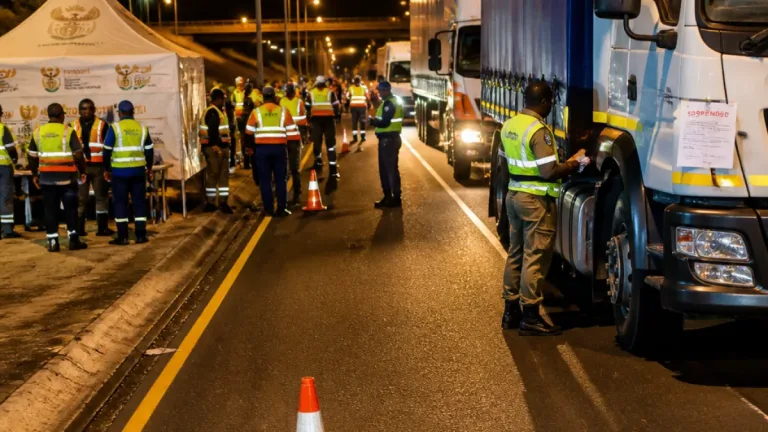
Officials say SANDF personnel will support the South African Police Service (SAPS) and be available to assist with crowd control, securing critical infrastructure and supporting law‑enforcement operations under the existing mandate of Operation Prosper. Members of the SANDF were also reported to be present in some parts of Durban before the formal notice to Parliament.
- Deployment size: 510 SANDF members
- Authorised until: 30 November
- Operation: Operation Prosper (joint security operation)
- Estimated cost: R34 million
Context and local impact
KwaZulu‑Natal has been particularly affected by periods of civil unrest in recent years, including the July 2021 disturbances that devastated parts of the province and cut supply chains. While the current demonstrations centre on opposition to illegal immigration, the authorities highlight how rumours and misinterpretation of legal rulings can rapidly escalate into violence.
Business owners and residents in affected suburbs, including Umbilo and the Durban CBD, have already reported damage and losses. The presence of SANDF personnel is intended to relieve pressure on police resources and deter further escalation while investigations and policing actions continue.
What residents should know
Police remain the lead agency for law enforcement; SANDF personnel can provide support under civilian command structures. Residents in areas affected by protests are advised to:
- Follow instructions from SAPS and municipal officials;
- Avoid areas of active demonstrations and reported violence;
- Verify information from official channels before sharing it, to reduce the spread of misinformation that can inflame tensions.
| Item | Detail |
|---|---|
| Deployment authorised | 510 SANDF members |
| Operation | Operation Prosper |
| Authorisation date to Parliament | 21 October (notice) |
| Authorised until | 30 November |
| Estimated cost | R34 million |
Next steps and oversight
Parliament will have access to the written notice as required under the Constitution, enabling legislative oversight of the internal deployment. The SANDF’s role in domestic operations is circumscribed by law; any use of military force must be carefully coordinated with SAPS to respect civil liberties and the rule of law.
As the situation develops, further details about the areas of operation and the tasks SANDF members will perform should be available from police and provincial authorities. Residents are urged to monitor official channels for updates and to stay safe.