Durban aims to transform waterfront into high-value maritime hub
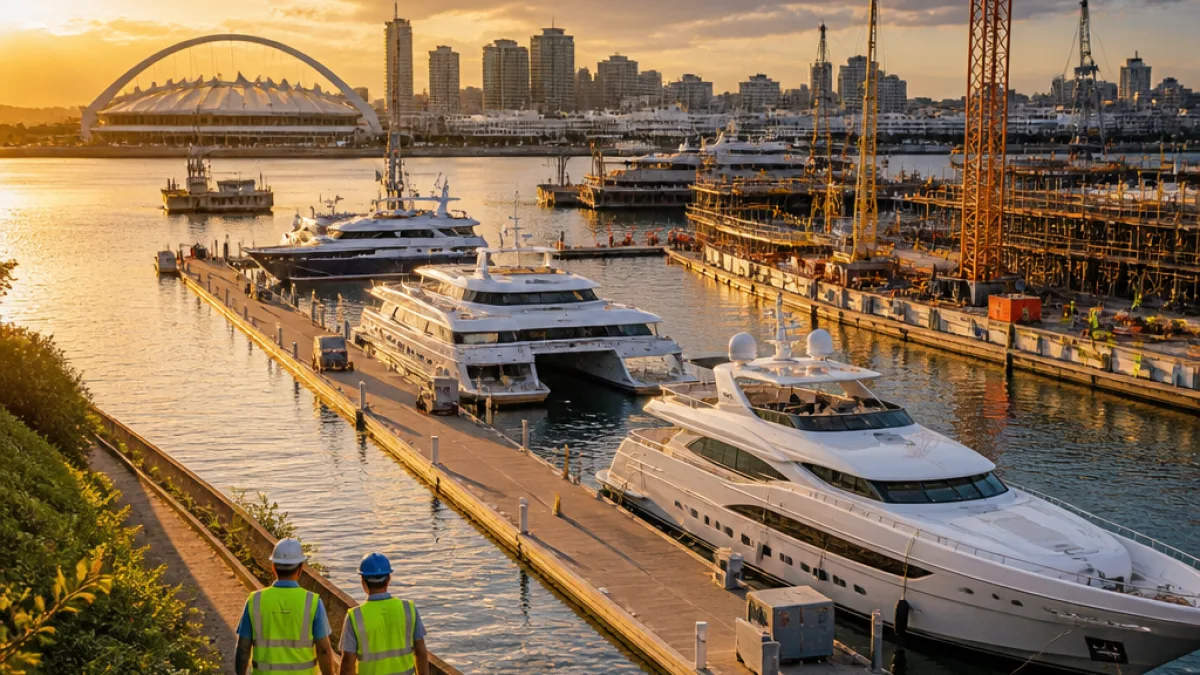
The eThekwini Municipality has outlined a plan to position Durban as Africa’s premier superyacht destination through a proposed KZN Superyacht Marina, a development that forms the core of an estimated R1.9 billion private-sector investment pipeline and a target of more than 2 500 direct jobs by 2030.
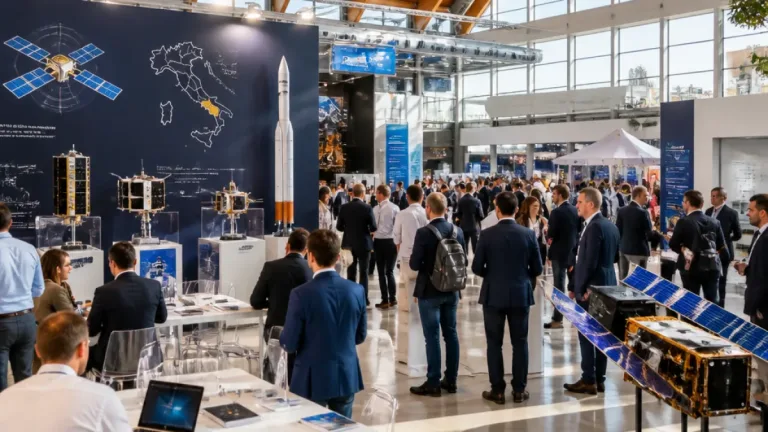
The city will host the first African edition of the Yachting Aftersales and Refit Experience (YARE) On Tour Symposium at Moses Mabhida Stadium in November 2026 as part of efforts to attract wealthy yacht owners and international maritime businesses to KwaZulu‑Natal, Xolile Mtembu reported.
“The KZN Superyacht Marina is not just about berthing boats. It is about industrial development, skills transfer, and positioning Durban as the gateway to the Indian Ocean superyacht circuit,” City Manager Musa Mbhele said.
The project is planned within the Port of Durban on a 24‑hectare site and will form a superyacht precinct linked to the broader Durban Bay Waterfront Project. Municipal leaders describe the proposal as more than a leisure marina: it is being pitched as an engine for industrial activity, skills development and higher‑value maritime services including refit and aftersales work.
Economic prospects and realistic expectations
Durban’s international partner on the initiative, Navigo — an Italy‑based organisation associated with the YARE programme — has committed to bringing at least 10 superyacht visits annually from 2028, according to the report. Using published comparisons from Cape Town, which suggested a single superyacht might spend around R10 million on diesel, the municipality has estimated the potential for roughly R100 million a year in fuel sales alone from those visits, before accounting for spending on provisions, repairs, refits and accommodation.
City officials say the anticipated benefits extend beyond fuel and hospitality receipts. The proposed precinct is intended to create specialised maritime jobs, support local suppliers and attract businesses offering refit, maintenance and high‑end provisioning services — areas that could strengthen Durban’s long‑standing port and shiprepair capabilities.
- Investment pipeline: R1.9 billion (private sector)
- Job target: More than 2 500 direct jobs by 2030
- Site: 24 hectares within the Port of Durban
- Events: YARE On Tour Symposium, November 2026
- Visits: Navigo committed to 10+ superyacht visits annually from 2028
Local consequences and questions ahead
For Durban residents the proposed marina raises several practical and political questions. The project will need to integrate with existing port operations, shipping lanes and industrial activity while ensuring community benefits through jobs and training. It will also require environmental assessments and careful planning to manage coastal and harbour impacts, particularly given the scale of the site and the technical needs of refit and maintenance work.
Stakeholders will be watching how quickly private investors move from commitment to construction, and whether the promised jobs materialise in the numbers and timeframes cited. The focus on skills transfer is welcomed by city officials, but will depend on concrete training programmes and partnerships with local colleges and employers.
Hosting the YARE symposium in November 2026 gives Durban a platform to showcase its port infrastructure and maritime workforce to international decision‑makers and potential investors. If the event draws the expected industry players, it may accelerate interest in the precinct and bring forward contracts for refits and provisioning.
As plans progress, residents and civic leaders are likely to press for clear timelines, procurement transparency and guarantees that local suppliers and workers will benefit. For a city with deep maritime roots, the KZN Superyacht Marina represents both an opportunity to diversify waterfront revenue and a test of how large‑scale private investment can be harnessed for broad local gain.
More detailed project documents, environmental assessments and procurement plans will be needed to assess how the R1.9 billion pipeline translates into concrete contracts and community outcomes.