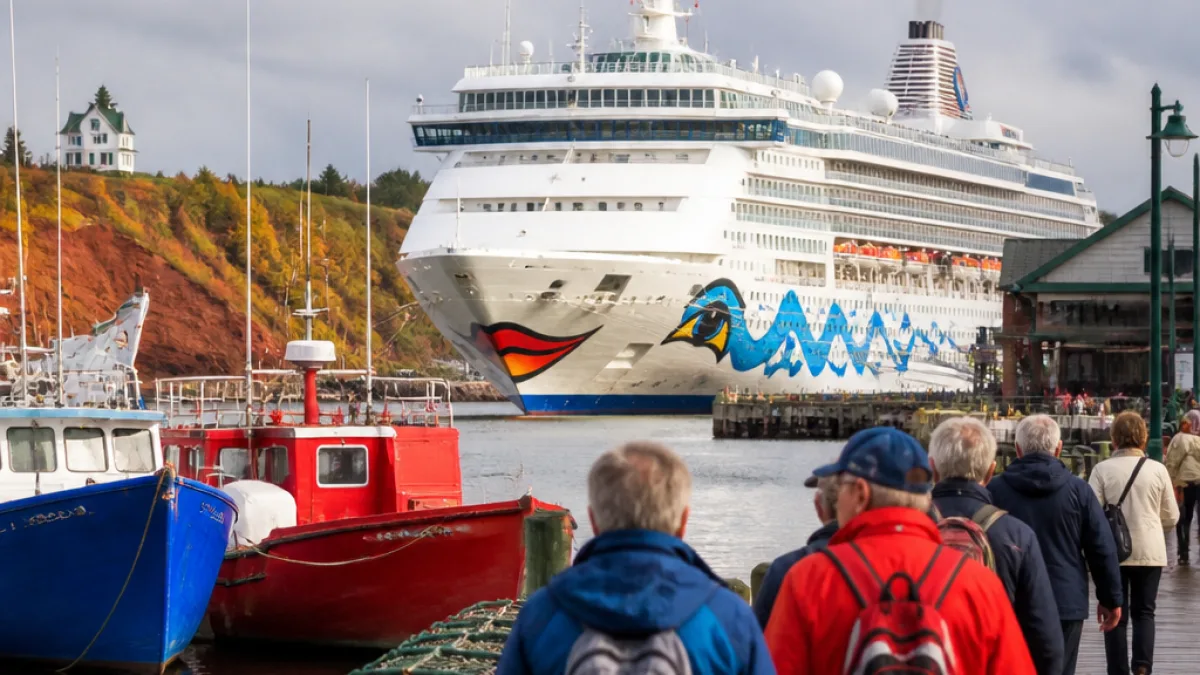
Businesses in Oranjestad, Aruba, say cruise passengers remain a critical source of customers, bringing thousands of visitors to retail outlets that showcase local crafts and products. Companies such as Royal Aruba Aloe and Mopa Mopa told Carnival Corporation that calls by cruise ships generate essential foot traffic and introduce new customers to island-made goods.
Island brands rely on day visitors
Founded in 1890, Royal Aruba Aloe grows, harvests, manufactures and retails aloe-based products on the island, offering tourists a field-to-factory experience. The company’s wholesale manager, Francis Albertsz, said cruise visitors regularly pass through its retail locations and often become repeat customers or recommend products to others.
“Many guests are fascinated that we are a local company that grows, harvests, manufactures and sells our own aloe products, all on one island,” Francis said.
The product range at Royal Aruba Aloe includes soaps, sunscreen and hand sanitiser, all made locally. The business benefits from the volume of visitors who disembark for day visits, sampling the products and buying for themselves or as gifts.
Terminal traders dependent on ship calls
Some retailers report an even higher dependence on cruise guests. Mopa Mopa, a shop with a presence inside the cruise terminal, sells handmade wooden artwork crafted using a traditional Colombian resin technique. The store’s terminal outlet sees virtually no other tourists and relies on cruise traffic for all of its turnover, according to Ainhoa Gogorza.
“In here, cruise guests account for 100% of our business,” she said.
Mopa Mopa’s location inside the terminal highlights how the structure of visitor flows — where tourists arrive, how long they stay and which parts of the destination they visit — shapes which businesses prosper. The company’s terminal sales also help sustain footfall into downtown Oranjestad, where there are fewer hotels and less overnight tourist spending.
What this means for local economies
The accounts from Aruba illustrate two common dynamics for small island economies dependent on tourism:
- Concentration of demand: Businesses in or near cruise terminals can capture a large share of visitor spending, sometimes becoming wholly dependent on ship calls.
- Brand exposure: Day visitors provide a gateway for island brands to reach new customers who may become repeat buyers or recommend products abroad.
Both dynamics carry upside and vulnerability. On one hand, regular cruise calls can sustain retail employment and small-scale manufacturing that processes local inputs. On the other, heavy reliance on day visitors leaves firms exposed to fluctuations in cruise schedules, global travel demand and decisions by cruise lines.
| Business | Primary benefit from cruise visitors |
|---|---|
| Royal Aruba Aloe | Introduces products to thousands of new customers; repeat purchases |
| Mopa Mopa | Terminal footfall accounts for nearly all sales; drives downtown traffic |
For policymakers and private-sector planners, the Aruba examples underline the value of integrating port operations, visitor routing and local supply chains. Enhancing the stay experience beyond a single-day visit could encourage higher-value spending in accommodation, dining and cultural attractions — broadening the benefits beyond terminal retail.
From a household perspective, continued cruise calls can mean more steady retail hours and incomes for staff in shops and small factories that prepare souvenirs and locally made goods. But the converse is also true: any decline in ship calls or changes to cruise itineraries can rapidly reduce sales for businesses that have limited access to overnight tourists.
These observations mirror concerns in several tourism-dependent markets globally, where resilience planning now forms part of business continuity strategies. Aruba’s long-established brands demonstrate how place-based products can gain international reach from brief visitor encounters — provided the flow of visitors remains reliable.
WE NEWS does not provide financial advice.