
Two Kurdish politicians in the northeastern Syrian city of Derbasiyah have called for coordinated political action to protect the Kurdish language and to guarantee the right to education in Kurdish, according to reporting dated 26 October 2026. They urged political parties and intellectuals to put aside differences and rally around a shared agenda to safeguard linguistic and cultural rights.
Leaders push for unity and stronger legal protection
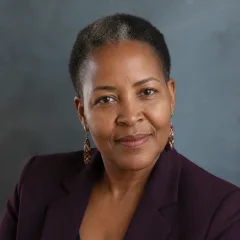
Delber Shamo, co-chair of the Democratic Union Party in Derbasiyah, said the present moment requires joint action to halt efforts she characterised as attempts to weaken Kurdish identity. She argued that community-wide awareness initiatives and a unified public campaign are needed to defend the right to speak and learn in one's mother tongue.
"Speaking and learning in one's mother tongue is a natural right that must not be violated,"
Ahmed Suleiman, a fellow party member, reinforced the call for formal recognition. He described the Kurdish language as central to the community's identity and said years of struggle to preserve it make constitutional guarantees an urgent priority.
What advocates want
The demands articulated by the two politicians centre on four interlinked objectives:
- Legal recognition: Pursue constitutional safeguards for Kurdish as a protected language.
- Education in Kurdish: Ensure learners can be taught and receive instruction in their mother tongue across relevant school levels.
- Political coordination: Forge a common platform among Kurdish parties to pursue language and cultural rights.
- Public awareness: Continue cultural events and campaigns to bolster mother-tongue education and counter what they described as efforts to erode Kurdish identity.
Education and identity: implications for learners and schools
Mother-tongue instruction is linked internationally to improved learning outcomes, particularly in early grades. Advocates in Derbasiyah frame Kurdish-language education not only as a cultural right but as a foundation for effective teaching and learning. Their proposals would require curricular planning, teacher training and resource allocation so that schools can deliver instruction in Kurdish where there is demand.
Implementing such measures also carries practical and political challenges. Introducing or expanding mother-tongue programmes typically means developing textbooks, training teachers fluent in the language, and establishing assessment systems that accommodate the language of instruction. In contexts where language rights intersect with political tension, those technical steps often become politically contested.
Calls for a broad campaign
Shamo urged Kurdish organisations to set aside internal disagreements and collaborate on a coordinated campaign prioritising language and education. She said that joint action with intellectuals and civil-society actors could help amplify demands and counter what she described as targeted efforts to undermine Kurdish culture.
| Demand | Practical needs |
|---|---|
| Constitutional recognition | Legal reforms, parliamentary support |
| Right to education in Kurdish | Textbooks, teacher training, curriculum development |
| Unified political campaign | Coordination mechanisms across parties, shared messaging |
| Public awareness | Cultural programming, outreach to parents and communities |
The calls in Derbasiyah add to broader regional debates about multilingual schooling and minority rights. For educators, parents and policymakers, the debate underscores the link between language policy and classroom realities: ensuring meaningful access to education in a learner’s mother tongue requires sustained investment as well as political will.
As the actors in Derbasiyah pursue their campaign, the next steps will test whether political coordination can translate into concrete reforms — in law, in school systems and in daily classroom practice — that protect both linguistic rights and learners’ educational prospects.