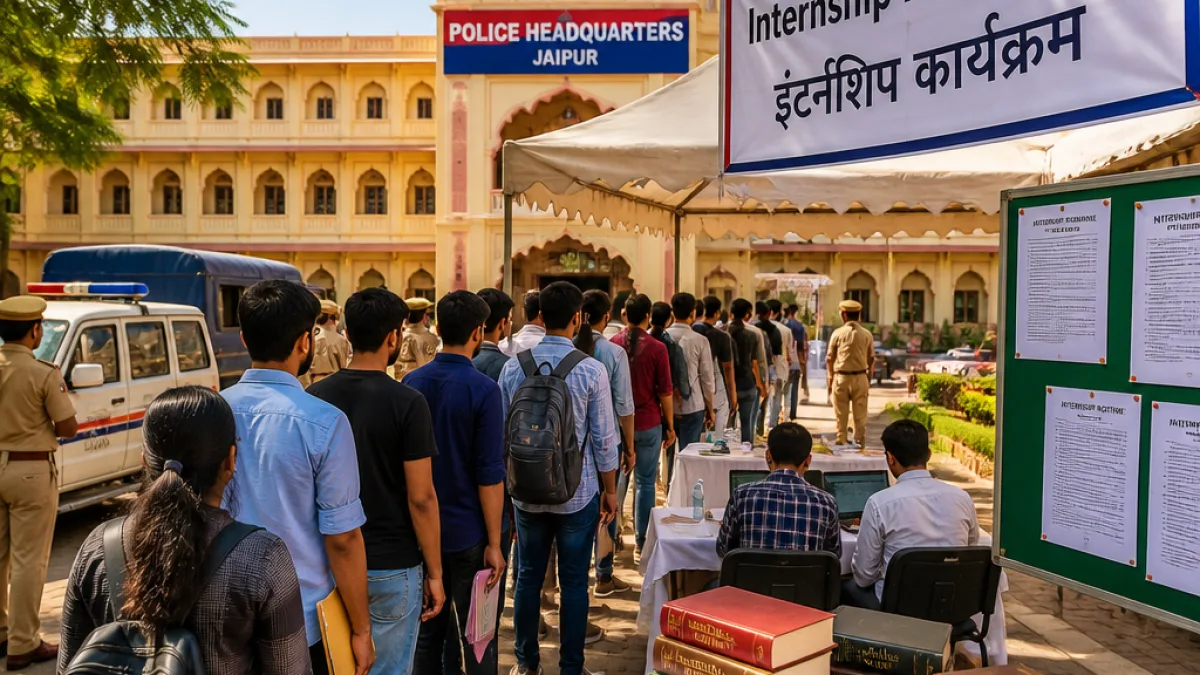
More than a classroom exercise, a recent visit to the Gauteng Provincial Legislature (GPL) offered Public Affairs students from the Tshwane University of Technology a direct encounter with the machinery of provincial government.
From theory to chamber floor
Organised by TUT’s Department of Public Management, the excursion aimed to bridge academic study and professional practice by exposing students to the day‑to‑day functions of a legislative institution. Participants sat in the GPL council chamber, observed procedures and took part in role‑play that simulated real parliamentary business.
The programme covered several technical areas of provincial governance: the mandate and responsibilities of the legislature, the steps involved in drafting and passing provincial laws, and the workings of the provincial budget process, including the Medium‑Term Expenditure Framework (MTEF). Using presentations and interactive sessions, students were able to link textbook concepts with how oversight, public participation and financial governance operate in reality.
Practical exercises sharpen procedural knowledge
A highlight was the mock legislative sitting held in the chamber. Through that exercise, students familiarised themselves with the procedures that regulate debate, motions and voting, and were introduced to roles such as the Speaker and committee chairs. The simulation was designed to emphasise leadership, accountability and the discipline required to manage public debate effectively.
Deputy Chairperson of Committees at the GPL, Honourable Thulani Kunene, delivered the keynote address during the visit. His participation underscored the legislature’s interest in civic education and in supporting the development of future public sector professionals.
Why this matters for Gauteng
Gauteng is South Africa’s economic heartland, and the provincial legislature has a direct role in shaping policies that affect millions of residents. Practical exposure to legislative processes equips students with a clearer sense of how provincial decisions on service delivery, budgeting and oversight are made — knowledge that is crucial for those who will work in public administration or seek to hold government accountable.
- Law‑making: how bills move from concept to provincial law;
- Oversight: parliamentary mechanisms for monitoring the executive;
- Budgeting: the MTEF framework used to plan and allocate provincial resources.
Teachers and programme organisers said the visit is part of a broader effort to reduce the gap between classroom instruction and public sector practice. For students, observing committee work and engaging in mock debates helps build the procedural confidence required in real legislative settings.
| Programme element | Focus |
|---|---|
| Presentations | Mandate of the legislature; law‑making stages |
| Budget session | Provincial budgeting and the MTEF |
| Mock sitting | Procedural rules; debate and oversight simulation |
Students who participated said the hands‑on format deepened their understanding of governance and helped them see where academic subjects connect to public service tasks. Many found the budgeting session particularly useful in clarifying how resource decisions are prioritised across departments.
Beyond immediate learning outcomes, events like this serve a wider civic purpose. They introduce young people to the norms and instruments of democratic representation at a provincial level, and can foster more informed public participation in the long term.
For local institutions such as universities and the legislature, these exchanges create pathways for sustained collaboration. They also provide students with contacts in the legislative environment and a practical frame of reference should they pursue internships, research or careers in government.
Given Gauteng’s central role in national affairs, familiarising young public affairs graduates with the processes of provincial governance strengthens the pipeline of skilled officials who will have to manage increasingly complex social and fiscal challenges in the years ahead.
Organisers at TUT indicated the visit forms part of an ongoing series of curricular activities intended to integrate experiential learning into public management training. The legislature confirmed it continues to welcome educational groups that wish to observe or learn about its work.