Long-awaited plan aims to kickstart investment and repair decades of decay
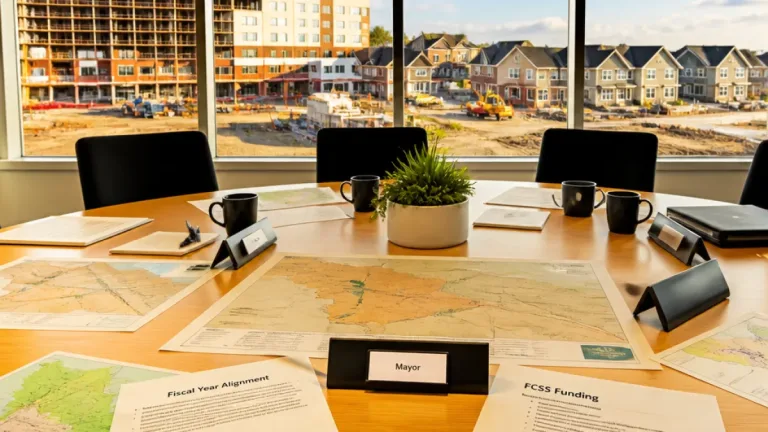
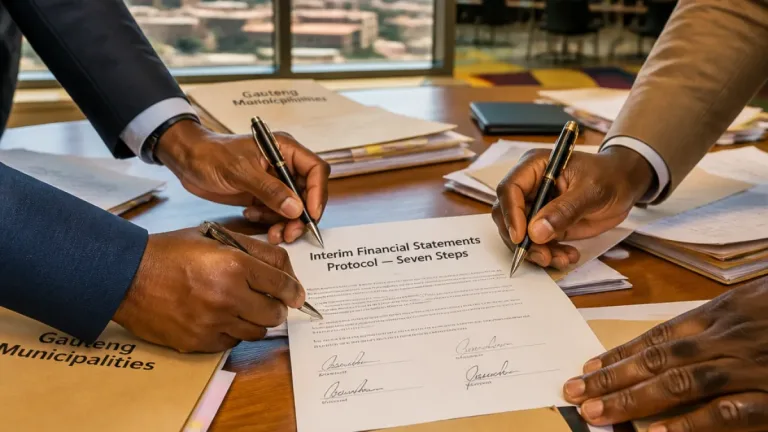
The Gauteng provincial government has moved to fast-track a long-delayed plan to regenerate Johannesburg’s central business district with an infrastructure agreement valued at R16 billion. The agreement, signed this month, brings together the provincial administration, the City of Johannesburg and the Development Bank of Southern Africa (DBSA) to implement the Kopanong Precinct Project, a scheme first unveiled in 2003.
Officials say the project will use a blended‑finance model that combines municipal assets, development finance and private capital to attract institutional investors and property developers back to the inner city. The initiative forms part of the broader Johannesburg CBD Revitalisation Programme and seeks to tackle long‑standing urban decay, high vacancy rates and a shortage of quality affordable housing near the city centre.
“transform government properties into a modern, integrated precinct designed to stimulate economic activity, improve public infrastructure and enhance the delivery of government services.”
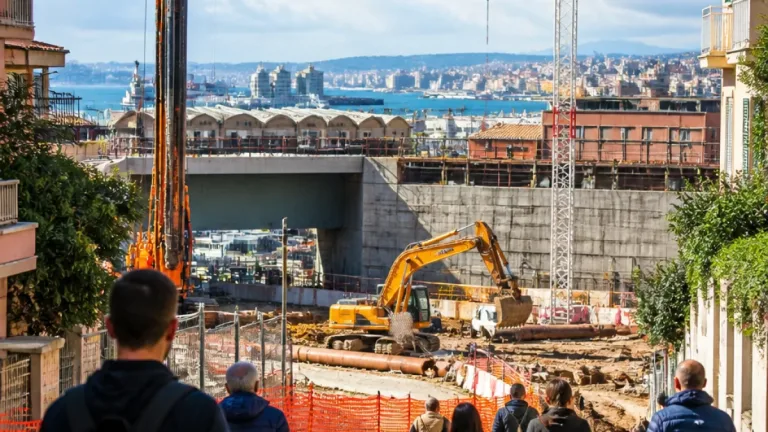
The agreement names the Gauteng Infrastructure Funding Agency and the DBSA as key implementing partners alongside the City of Johannesburg. Project plans set out a package of interventions including the consolidation of scattered provincial offices into an administrative hub, refurbishment of distressed buildings, mixed‑use developments and the delivery of affordable and social housing and student accommodation.
For Johannesburg residents and businesses, the ambitions are straightforward: increase occupancy, raise property values and bring back residents and commercial tenants who left the CBD during years of decline. The provincial government and the city will seek to leverage public assets to de‑risk investments for private actors, opening the door to pension funds and infrastructure financiers.
- Consolidation: Bring provincial government offices together into one hub.
- Housing: Develop affordable and social housing and student accommodation.
- Refurbishment: Upgrade distressed buildings and convert sites to mixed‑use.
- Economic inclusion: Support small businesses and informal traders with markets and trading facilities.
City officials have long said that restoring confidence in the CBD requires visible public‑sector commitment. By pooling municipal property and tapping development finance, the partners hope to present bankable projects to private investors. The DBSA’s involvement signals a development finance approach rather than straight grant funding.
Local consequences will be watched closely. Property owners and developers will assess the size and timing of planned interventions, while residents will expect tangible improvements in safety, services and living conditions. Small traders and informal businesses — a key component of inner‑city economic life — are also named as beneficiaries in the plans, which promise upgraded trading spaces and markets.
| Partner | Role | Commitment |
|---|---|---|
| Gauteng provincial government | Project sponsor; provide public assets | Part of R16bn blended package |
| City of Johannesburg | Local implementation, planning approvals | Municipal assets and facilitation |
| DBSA | Development finance partner | Project financing and structuring support |
Questions remain. The Kopanong plan has been discussed for more than two decades and previous timelines were repeatedly missed. Observers will want clarity on procurement timelines, guarantees for affordable housing allocations, protections for existing tenants in refurbished buildings, and the exact mechanisms that will unlock private capital.
For residents who have watched the CBD shrink and many public buildings fall into disrepair, the signing of the agreement is a critical step — but not the finish line. Implementation will require coordinated project management, transparent procurement and sustained political will across provincial and municipal administrations.
If the project delivers on its aims, Johannesburg could see renewed demand for inner‑city living, a stronger local property market and improved service delivery where it is most visible to commuters and city dwellers. For now, the focus turns to how quickly the R16bn package can be translated from paper into construction sites, refurbished buildings and new homes.
Stakeholders will be monitoring the first tranche of project announcements and the mobilisation of private capital. The coming months will show whether this long‑promised regeneration can finally take hold in the heart of Egoli.