Contamination confirmed in Pretoria CBD as chlorine shortage probe begins
Pretoria — The City of Tshwane has confirmed that sewage contamination has affected water in the Pretoria central business district, compounding an unfolding municipal water crisis that has already hit communities outside the city. The Public Protector has opened an investigation into allegations of maladministration after reports that the city ran out of chlorine for three weeks without informing residents.
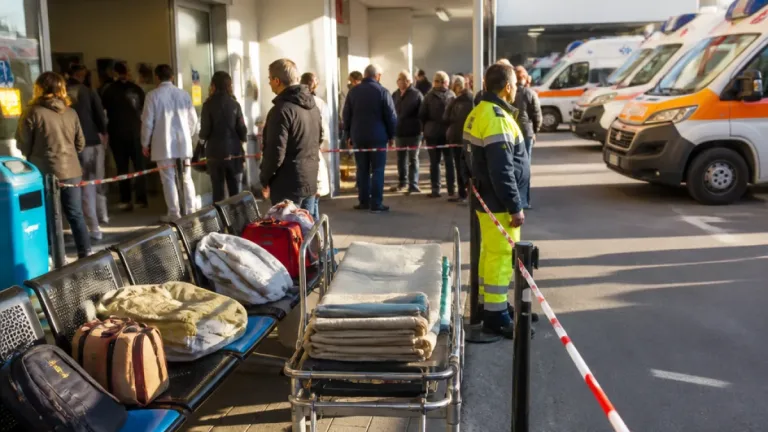
Residents and businesses in the CBD were warned this week after municipal officials acknowledged contamination incidents amid wider supply and treatment concerns. The contamination forms part of two separate water emergencies linked to Tshwane: the Pretoria CBD sewage incident and a Bronkhorstspruit outbreak that the city says has left at least 408 people ill.
Public health consequences and service interruptions are the immediate concerns for Pretoria residents, particularly those reliant on municipal taps and businesses handling food or medical supplies. Water quality failures carry direct health risks and can disrupt daily life across the metropolitan footprint.
- Confirmed incidents: sewage contamination in the Pretoria CBD; Bronkhorstspruit outbreak with 408 reported illnesses.
- Probe launched: the Public Protector is investigating alleged maladministration linked to an apparent three-week shortage of chlorine.
- Communications gap: residents report inadequate warning or information about the contamination and chlorination problems.
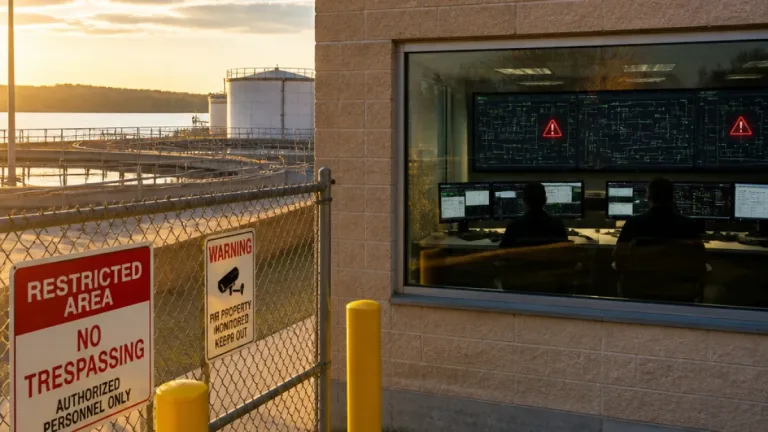
Municipal clarity on the scale, sources and remedial steps will be crucial to restore public confidence. At the heart of the controversy is an allegation that Tshwane ran out of chlorine — the chemical widely used to disinfect drinking water — and did not promptly inform residents or affected communities.
Chlorine shortages, if confirmed, would explain why contamination could spread before treatment could be restored. The Public Protector’s decision to open an investigation signals concern at national oversight level; the office is looking into possible maladministration related to the handling of the supply shortfall and public communication.
Local health services and clinics in areas affected by the Bronkhorstspruit outbreak have been treating dozens of patients presenting with symptoms consistent with waterborne illness. The figure of 408 people ill comes from reports connected to that separate emergency and underlines the real-world effect of water-service failures beyond the CBD.
| Incident | Known figure / status |
|---|---|
| Pretoria CBD sewage contamination | Confirmed by City of Tshwane |
| Bronkhorstspruit outbreak | At least 408 people ill |
| Chlorine supply | Alleged three-week shortage — subject of Public Protector probe |
For residents, practical questions are pressing: Is tap water safe to drink, which suburbs are affected, and what steps are being taken to restore treatment and supply? At the time of reporting, the City of Tshwane had confirmed the contamination but detailed action plans, timelines and advice remain limited in public statements.
Businesses in the CBD voiced concern about sudden interruptions to trade and the reputational impact of contamination, particularly for retailers, restaurants and healthcare facilities that rely on constant safe water. Households dependent on municipal water have reported anxiety about needing to buy bottled water or boil tap water for daily use.
Public confidence in the municipality’s ability to manage essential services is likely to be tested by the Public Protector’s probe. If findings show failures in procurement, stock control or emergency communication, the political and administrative consequences for Tshwane could be significant ahead of the local government elections.
What Pretoria residents should do now:
- Use boiled or bottled water for drinking and food preparation until official clearance is issued.
- Avoid using tap water for vulnerable groups (young children, elderly, immunocompromised) until tests confirm safety.
- Follow notices from the City of Tshwane and health authorities and report any illness to local clinics.
As this story develops, clear, frequent and localised communication from the City of Tshwane will be crucial. The Public Protector’s inquiry will seek to establish how the alleged chlorine shortage occurred and whether residents were put at unnecessary risk. For Pretoria residents, answers and swift action cannot come soon enough.