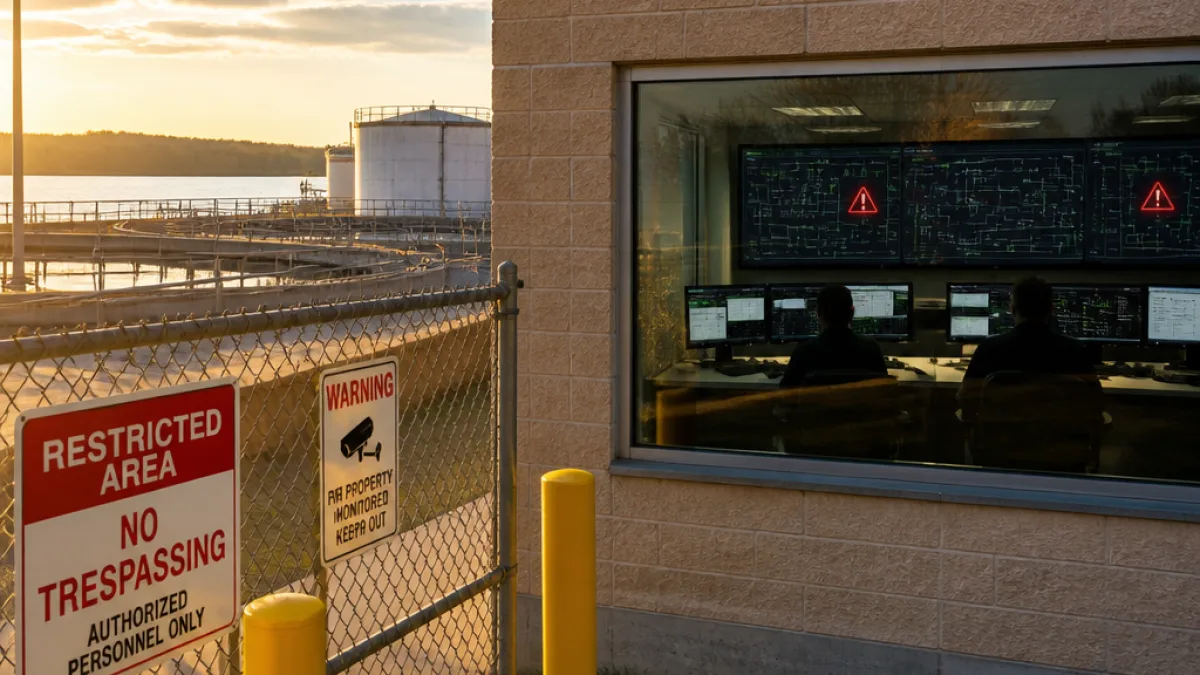
Attacks on water and sanitation infrastructure should be regarded and managed as direct assaults on health systems, researchers argue in a climate-focused issue of The BMJ. The analysis, produced by authors affiliated with the United Nations University Institute for Water, Environment and Health, warns that such attacks amplify fragility, deepen grievances and precipitate immediate public-health emergencies.
Rising incidents and direct impacts on communities
The authors note a clear increase in violent events affecting water systems. In 2024 the Pacific Institute recorded 420 water-related violent events — an increase of 78% compared with 2022 — and found that 61% of those incidents involved direct attacks on water infrastructure.
"Attacks on water systems are attacks on health systems and should be counted, contested and prepared for as such," the report asserts.
Concrete examples cited in the analysis illustrate the human consequences of damaged water systems:
- In the Persian Gulf this year, a US strike on an Iranian desalination plant deprived 30 villages on Qeshm Island of water;
- An Iranian drone strike damaged a plant in Bahrain;
- Two reservoirs serving 20,000 homes in Sirik were reportedly targeted;
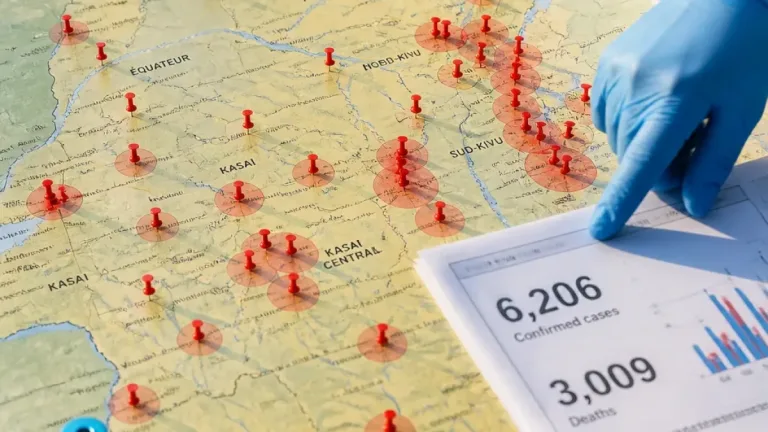
- In Sudan, damage to power plants in May 2025 cut electricity to Khartoum's water treatment stations, precipitating an acute cholera surge that reached almost 500 cases in a single day;
- By the end of January 2024 roughly 57% of water infrastructure in Gaza had been damaged or destroyed, the authors note.
Why water attacks translate into health emergencies
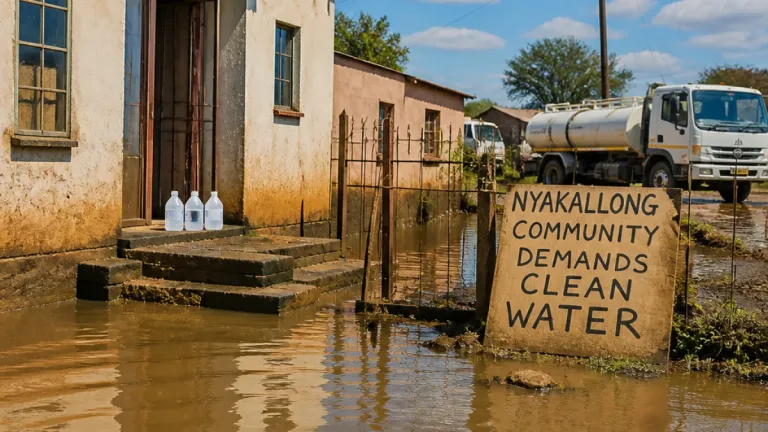
The researchers explain that water scarcity by itself rarely initiates conflict; rather, the way scarcity and damage are distributed fuels grievances and undermines recovery. When infrastructure is targeted or collateral damage severs treatment plants, pumping stations or desalination facilities, communities rapidly lose access to safe drinking water and sanitation — creating conditions ripe for outbreaks of waterborne disease and overwhelming already strained health services.
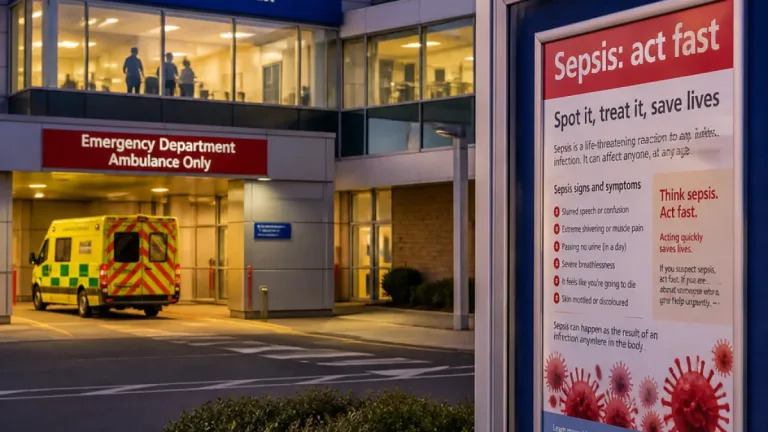
They emphasise that the modern conduct of war, and some state and non-state actions, increasingly affect civilian services at scale. Damage to energy supplies that power water treatment plants, direct strikes on water works and the destruction of distribution networks have immediate downstream effects on hospitals, clinics and household resilience.
Implications for policymakers and health authorities
The authors call on governments, humanitarian agencies and health systems to recognise attacks on water as a specific category of threat that demands tailored surveillance, legal contestation and preparedness. That means:
- Integrating water-infrastructure security into public-health emergency planning;
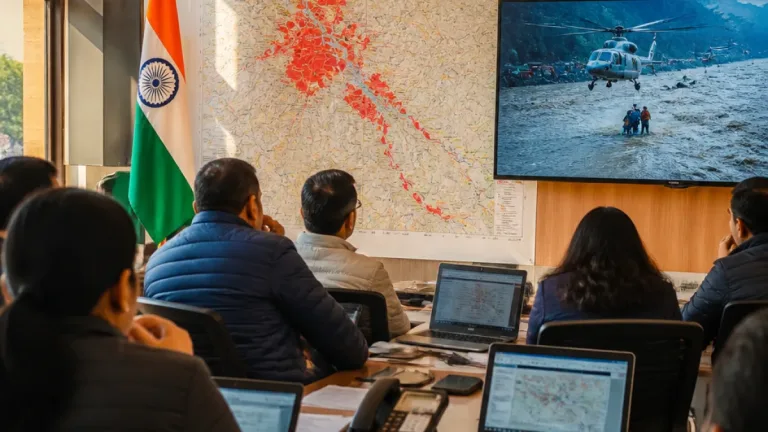
- Strengthening monitoring systems to detect and attribute damage rapidly;
- Prioritising redundant and decentralised systems where feasible to maintain supply during crises;
- Ensuring legal and diplomatic avenues are used to prevent and respond to deliberate targeting.
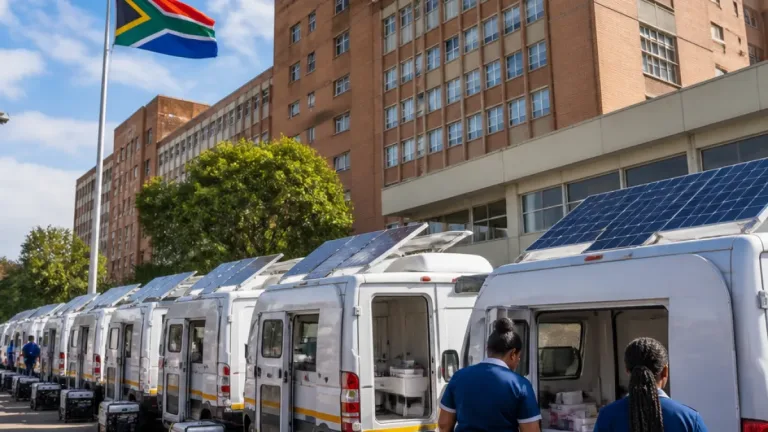
For South Africa, where infrastructure security, climate stress and periodic service interruptions already challenge health services, the paper underscores the need to include water and sanitation resilience in national health emergency planning. Protecting essential services is not purely an engineering task: it is central to preserving hospital function, preventing outbreaks and safeguarding community health.
Readers are reminded that while this analysis frames a global pattern, anyone with concerns about water safety or symptoms of waterborne illness should consult a clinic or medical professional rather than self-diagnose. Local health departments and municipal water services remain the primary contact points for immediate public-health advice and reporting of service disruptions.