Four leading parties have set out divergent but overlapping health promises in their latest manifestos, each describing a public system under strain and proposing interventions aimed at expanding access and improving outcomes.
Parties identify a divided, overstretched system
The MK party framed South Africa’s health system as deeply divided, saying one part of the system has “excessive resources serving a minority, while the other part, serving over 80% of the population, is severely under-resourced.” It also noted that many people rely on traditional healers who sit outside the formal health system.
The DA, ANC and EFF similarly highlighted pressures on public services and pledged measures largely targeted at municipal and primary care levels, while the MK party set out national policy proposals.
What each party promises
- ANC: Links health to basic services and community life. Priorities include HIV prevention through primary clinics, ward-based outreach and youth-friendly services, plus stronger environmental health work such as food safety inspections, refuse collection and action on sewer spills.
- DA: Points to alcohol, pollution and failing clinics as added pressure on public care. The manifesto cites a 2025 Greenpeace Africa report alleging air pollution was linked to 42 000 deaths in 2023 and highlights the contribution of heavy drinking to the national disease burden, saying it can contribute up to 7% of that burden.
- EFF: Emphasises dignity and the impact of service failures, stating that there can be no dignity where water does not flow, electricity is unreliable, roads are unsafe and clinics cannot serve the sick.
- MK party: Focuses on national-level reform and on addressing the unequal distribution of resources across public and private care, noting reliance on traditional healers by large parts of the population.
“The South African Health System is divided, with one part having excessive resources serving a minority, while the other part, serving over 80% of the population, is severely under-resourced.” — MK party manifesto
Areas of agreement and tension
All four manifestos acknowledge an underperforming public sector and propose strengthening primary care and municipal health functions. Where they differ is the emphasis and level of intervention:
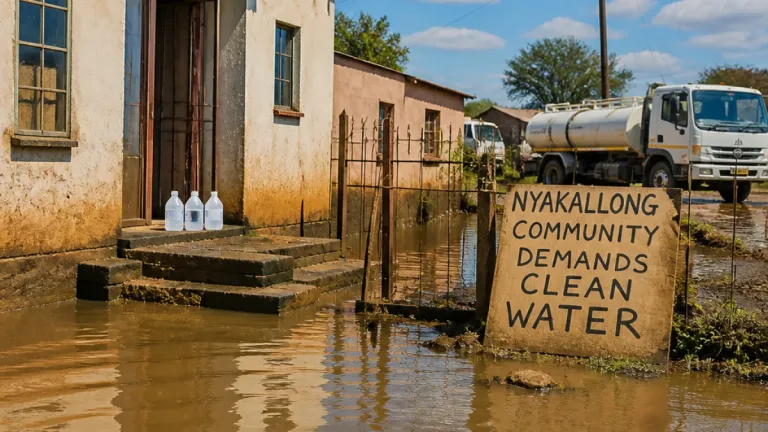
- The ANC ties health improvements to delivery of basic services — clean water, reliable electricity, sanitation and roads — arguing these are foundational to public health and dignity.
- The DA highlights environmental risks and social drivers such as alcohol use as direct pressures on the health system.
- The EFF focuses on dignity and service delivery failures as part of broader social justice claims.
- The MK party frames the problem as structural inequality within the health system and draws attention to the role of traditional healers outside formal services.
| Party | Main health focus |
|---|---|
| ANC | HIV prevention, environmental health, basic services |
| DA | Clinic performance, pollution, alcohol harms |
| EFF | Dignity, service reliability at municipal level |
| MK party | System inequality, national reform, role of traditional healers |
Implications for patients and services
Promises to strengthen primary care, expand prevention options and tackle environmental health problems would, if implemented, affect how people access routine services and public-health protections. The ANC’s emphasis on ward-based outreach and youth-friendly services points to targeted efforts to reach young people with HIV prevention. The DA’s framing of pollution and alcohol as drivers of disease links broader regulatory and social policy to health-system demand.
But manifestos are policy outlines rather than implementation plans. Translating promises into better care will require funding allocations, clear accountability measures at national and municipal level, and alignment with the Department of Health and provincial health departments.
Readers with health concerns should consult a clinic or their healthcare provider rather than relying on manifesto commitments. Policy shifts can take time to reach services on the ground, particularly in under-resourced areas.
Key actions readers can take now:
- If you need HIV prevention options, visit your nearest primary clinic to ask about available services and youth-friendly programmes.
- Report environmental health issues — such as sewer spills or refuse problems — to your local municipality’s environmental health office.
- Seek medical advice from a clinic or doctor for symptoms rather than self-diagnosing based on policy announcements.