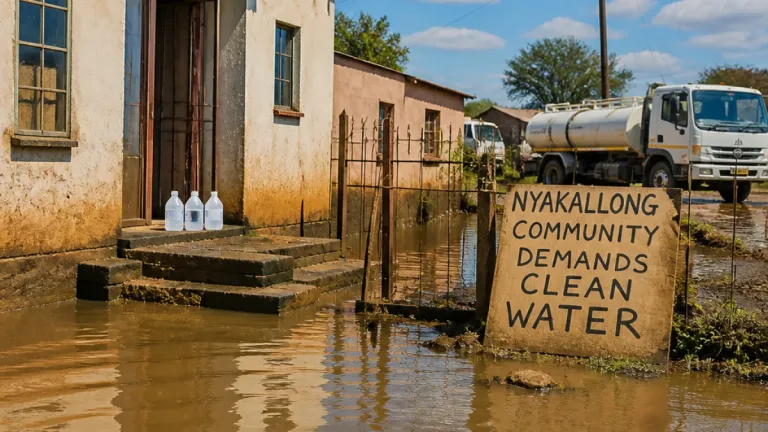

Immediate response as cluster of gastrointestinal illnesses hits campus and wider Makhanda
Rhodes University has confirmed a cluster of gastrointestinal illnesses affecting 111 students, and says local medical practitioners are reporting similar cases across Makhanda. The university and provincial health authorities have mobilised an urgent response while environmental health practitioners investigate a possible cause.
University spokesperson Olwetu Gwanya said on 21 October 2026 that the cluster was not necessarily limited to campus. "Rhodes University reported a cluster of gastrointestinal illnesses among members of its community. Subsequent enquiries with local medical practitioners indicate that similar cases are being reported elsewhere in Makhanda, suggesting that the situation may extend beyond the university campus," Gwanya said.
"The university is working urgently with local public health authorities and environmental health practitioners to establish the possible cause and scope of the illnesses." — Olwetu Gwanya, Rhodes University spokesperson
As a precaution, the university has provided bottled water to students and implemented enhanced water-safety and food‑handling measures. Students with severe symptoms were taken to hospital for medical attention and have since returned to campus, the university said.
What authorities recommend and what Rhodes has done
The measures listed by Rhodes include advising staff and students to drink boiled and cooled or bottled water, use safe water for food preparation and brushing teeth, avoid ice and uncooked food washed in untreated water, and practise regular handwashing with soap and water. The university has also begun water-quality testing and random water sampling at residences.
- Provision of bottled water at dining halls and residences.
- Urgent water-quality testing and co-ordination with provincial health and environmental teams.
- Clinical support for affected students, with hospital referrals where necessary.
Earlier student accounts reported that illnesses began surfacing around 16 October and that complaints about water discolouration had been made in residence WhatsApp groups. "Water colour alone is already a turn-off," a student said to an external news outlet, reflecting ongoing anxieties among residents about water quality.
Local water system under the spotlight
Rhodes University is within Ward 12 of the Makana Local Municipality, which supplies water to the campus. The apparent spread of cases beyond university accommodation has shifted focus onto municipal water management and distribution, though officials have not yet confirmed a definitive link between the illnesses and municipal supply.
Provincial health teams have been mobilised to investigate and contain the outbreak. Environmental health practitioners will need to establish whether contaminated drinking water, food handling practices, or another common source is responsible. Until results are confirmed, the university and health authorities are emphasising precautionary measures to reduce further risk.
| Campus sites implicated in reports | Action taken |
|---|---|
| Desmond Tutu dining hall | Bottled water provided; food-preparation checks |
| Miriam Makeba dining hall | Bottled water provided; random water sampling |
| Hugh Masekela dining hall | Increased sanitation; clinical monitoring |
| Kimberly dining hall | Enhanced hygiene measures; health-alerts issued |
Residents and students experiencing diarrhoea, vomiting, stomach cramps or fever have been urged to remain hydrated with safe fluids and to seek medical advice, presenting to campus health services or local clinics where appropriate. Urgent care is recommended for severe symptoms.
Wider implications for the town
The outbreak raises broader questions for Makana’s water infrastructure and public‑health readiness. If municipal supply is implicated, the municipality will face scrutiny over maintenance, treatment and distribution processes. For the university, the immediate priority is limiting further cases and protecting students while awaiting laboratory confirmation of water or food tests.
For now, both Rhodes University and provincial health authorities are prioritising containment, clinical care and laboratory investigation. Residents should follow the precautionary guidance issued by health officials and report new cases to local health services to assist with tracing and response.
Reporting note: The university confirmed the figure of 111 affected students and said provincial health resources had been mobilised on 21 October 2026.