
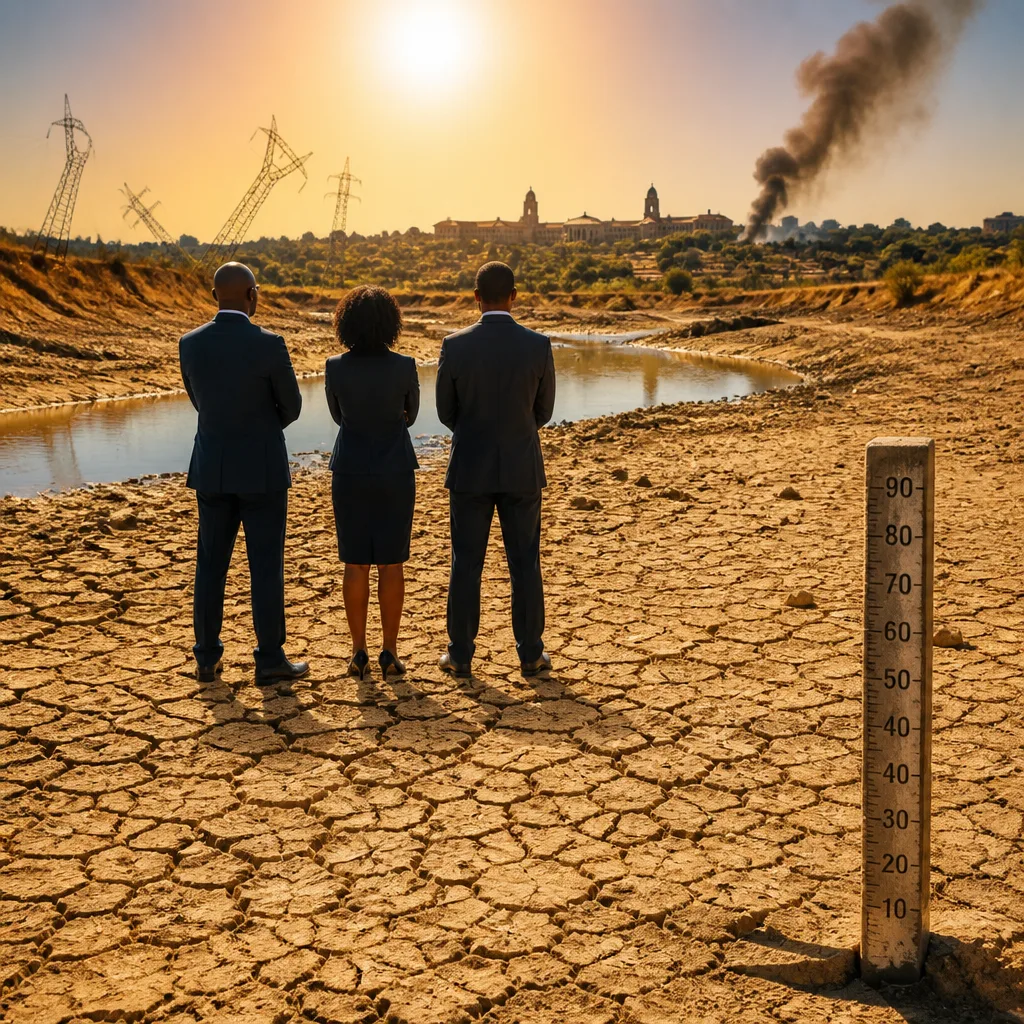
The climate disruptions sweeping large parts of the United States this summer are no longer just environmental stories; they have become a political and social reality that will test governments and electorates alike.
Writing in a guest commentary, an American commentator said the “new weather” has produced sustained atmospheric disturbance that has already led to catastrophic floods, widespread power outages, thousands of flight cancellations, prolonged heat and fires. The piece warned that such events are pushing aside other headlines and shaping political debate.
“Events, dear boy, events.”
The comment references the famous line attributed to former British prime minister Harold Macmillan to underline a central point: weather-driven events will shape the political calendar and public priorities.
What the ‘new weather’ looks like
The essay outlines several concrete disruptions this summer. Among them:
- weeks of atmospheric disturbance producing floods and fires;
- hundreds of thousands of people losing electricity for hours or days;
- sustained temperatures above 110°F — about 43°C — in some areas;
- flight cancellations and impacts on food supplies where irrigation depends on dwindling rivers.
These phenomena are not abstract. The writer noted the Colorado River — described as a “life channel” — is running low, affecting water supplies for people across seven states and reducing irrigation capacity for agriculture. Under the existing treaty arrangements, Mexico also receives a share of the river’s waters, so the impact crosses national borders.
Health, infrastructure and visibility
Public-health effects are already apparent. Citing the US Centres for Disease Control and Prevention (CDC), the commentator said that heat-related deaths are significant and rising. The CDC’s death-certificate analysis found the worst recent year was 2023, with 2,325 heat-related deaths, although the writer warned such figures likely undercount the true toll.
Electricity disruptions amplify the human cost. Prolonged outages force people to choose between cooling their homes and other household essentials, a dilemma that pushes vulnerable households into dangerous territory during extreme heat.
| Indicator | Reported figure |
|---|---|
| States affected by Colorado River shortages | 7 |
| Peak temperatures described | 110°F (~43°C) |
| CDC heat-related deaths (worst year) | 2,325 (2023, death certificate analysis) |
Politics of blame and policy choices
As the commentator observed, political responses are predictable. Progressive politicians tend to blame fossil-fuel industries — coal, oil and natural gas — for driving greenhouse-gas emissions that intensify extreme weather. Conservative voices, by contrast, often point to regulation and policy choices as proximate causes of economic pain during crises.
That binary — industry responsibility versus regulatory burden — is likely to harden as weather extremes recur. The writer suggested the stories will push climate and infrastructure to the top of nightly news cycles, displacing other geopolitical items.
For governments, the policy implications are twofold: first, how to make electricity and water systems more resilient to prolonged extremes; second, how to communicate and mobilise resources fast enough to protect vulnerable communities. The commentary implies that short-term emergency responses will increasingly intersect with long-term political debates about energy, regulation and public investment.
For electorates, the practical questions are immediate: can utilities keep the lights on in extreme heat? Will water dependably reach farms and cities? And who will pay for the upgrades: taxpayers, consumers or private firms?
The piece is a reminder that climate effects are not just distant projections. They are unfolding events that will shape policy choices and political fortunes in the months and years ahead.












