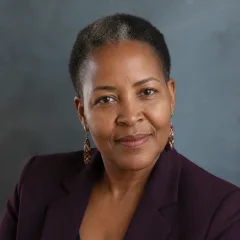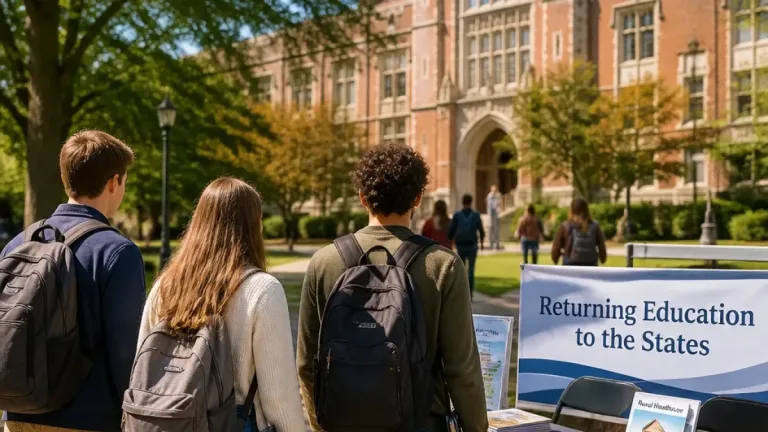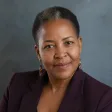
The Principal Secretary for Basic Education, John Ololtuaa, received the United Nations High Commissioner for Refugees (UNHCR) Kenya Country Representative, Fatima Mohammed Cole, in a meeting aimed at strengthening collaboration on refugee education, a press release distributed by APO Group on behalf of the Ministry of Education, Kenya said.
Partnership aims and priorities
The engagement reaffirmed an existing partnership between the Ministry of Education and UNHCR to expand inclusive access to education, bolster learner well‑being and develop sustainable education solutions for children from refugee and host communities. According to the ministry’s statement, the partners will focus on integrating refugee learners into Kenya’s national education system while ensuring equitable access to quality education and future opportunities for all learners.
The meeting emphasised three interlinked priorities:
- Inclusive access: ensure refugee learners are enrolled and supported within national schools;
- Learner well‑being: address psychosocial and protection needs that affect attendance and learning; and
- Sustainable solutions: develop longer‑term, system‑wide approaches rather than short‑term emergency responses.
Why the partnership matters
Across the region, protracted displacement places growing demand on host countries’ education systems. Integrating refugee learners into national schools is widely regarded as a route to more equitable access and better social cohesion, but it requires co‑ordinated policy, funding and classroom‑level support. The ministry and UNHCR’s renewed engagement signals continued international support for such system‑level approaches in Kenya.
For teachers and school managers, integration can mean larger classrooms, additional language and curriculum support needs, and a greater need for training in inclusive practices. For learners, the benefits include access to recognised national curricula, certified qualifications and pathways to further education or work in the host country.
What was said — and what was not
The official release did not detail specific new funding commitments, timelines or pilot projects. It described the meeting as a reaffirmation of the longstanding partnership and a commitment to strengthen integration and equity for both refugee and host‑community children. The text stops short of announcing concrete policy changes or new metrics for measuring progress.
| Area of focus | Stated objective |
|---|---|
| Access | Integrate refugee learners into national education system |
| Well‑being | Enhance learner support for psychosocial and protection needs |
| Sustainability | Advance long‑term systemic solutions rather than emergency-only measures |
The release was distributed by APO Group on behalf of the Ministry of Education, Kenya. It outlined the partnership goals without new operational details or budget figures.
Implications and next steps for schools and policymakers
For policymakers, the partnership underscores the need to translate high‑level commitments into clear implementation plans that address classroom realities: teacher training, language support, learner assessment, and financing for larger enrolments. For educators and parents in host communities, effective integration will depend on the availability of resources that prevent overcrowding and ensure quality teaching for all learners.
International and local non‑governmental organisations often play a role in bridging gaps — for example, by supporting teacher professional development or providing learning materials — but system‑level integration requires ministry leadership and predictable funding. The renewed dialogue between Kenya’s education leadership and UNHCR keeps that pathway open, while also signalling the continued importance of partnership in addressing displacement‑related education challenges across the region.
As the initiative progresses, stakeholders will be watching for concrete plans on resource allocation, monitoring of learning outcomes for refugee and host learners, and measures to protect vulnerable children in school environments.