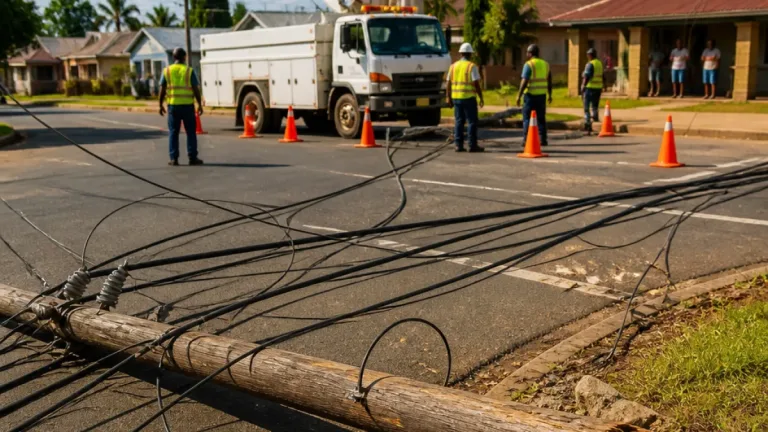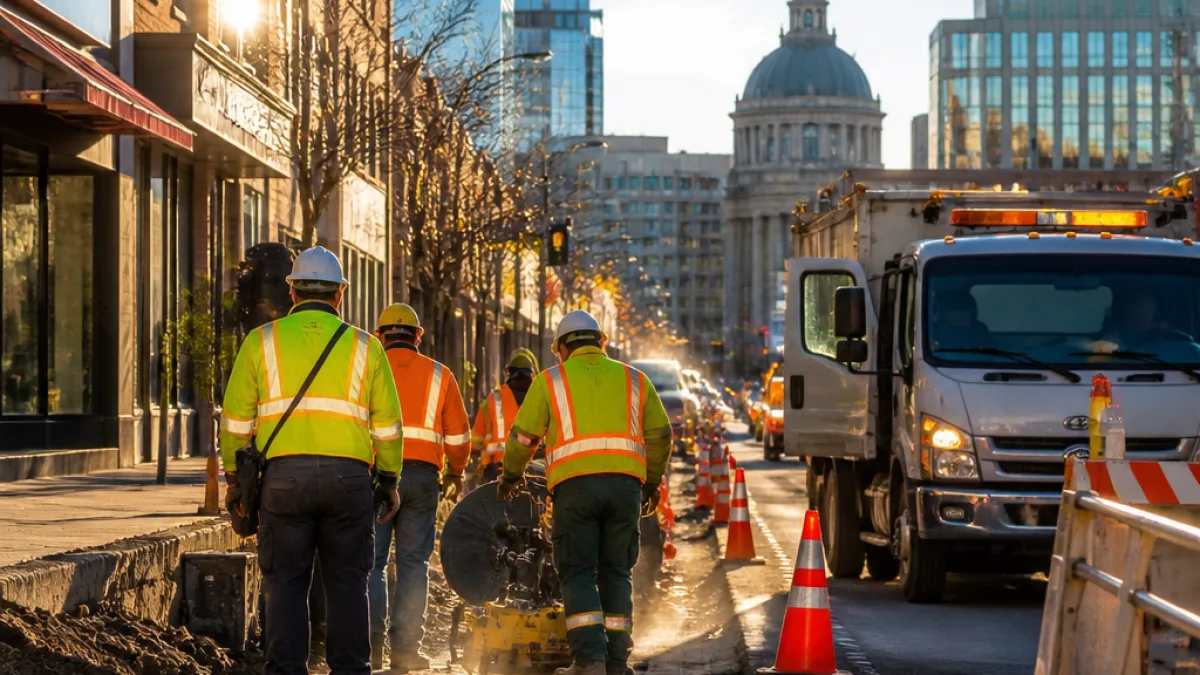
The Franschhoek Pass, a vital link between the Winelands and the Overberg, could be reopened to traffic during the December holiday period, the Western Cape Government’s Department of Infrastructure has confirmed. The pass has been closed to all traffic since devastating floods in May caused multiple slope failures and erosion at the Du Toits River bridge abutment on the Villiersdorp side.
Controlled reopening planned — safety first
Officials said the road is expected to be open from mid‑December to mid‑January, but only under stop‑and‑go control and subject to ongoing safety assessments. If assessments identify unacceptable risks, the pass will remain closed until conditions improve.
The temporary opening aims to ease pressure on tourism, holiday traffic and local businesses over the festive season while allowing major repair work to continue. Motorists are advised to expect delays and restrictions if the pass reopens, and to follow traffic control instructions.
Scope of the MR191 upgrade and flood‑resilience work
The work forms part of the MR191 road improvement project and the province’s broader effort to strengthen infrastructure against extreme weather. The programme includes:
- Widening and upgrading roughly 9.57 km between Old Paarl Road and Helshoogte Road to a Class 1 standard;
- Repairs over approximately 14 km between the Helshoogte intersection and the Franschhoek urban area;
- Rehabilitation over about 16 km between Franschhoek and the Theewaterskloof Dam;
- Specialised slope protection such as soil nails, high‑strength steel mesh, anchored gabion walls and reinforced concrete works;
- Asphalt surfacing, pavement reconstruction, improved drainage, and specific repairs to the Du Toits River bridge abutment.
Construction work on the project is expected to be completed in July 2027, subject to favourable construction conditions.
Local labour and economic effects
The province says the project has delivered 94 090 person‑days of local labour so far, exceeding the target of 70 160. To date, the programme has created 357 work opportunities against a target of 440 and engaged 57 local enterprises to supply goods and services.
| Metric | Delivered | Target |
|---|---|---|
| Person‑days of local labour | 94 090 | 70 160 |
| Work opportunities | 357 | 440 |
| Local suppliers engaged | 57 | — |
Why the upgrade matters
The May floods compounded earlier damage from the severe October 2023 floods, which previously triggered 16 slope failures along the route. Those successive events exposed the vulnerability of the mountain pass to intense rainfall and highlighted the need for engineered long‑term resilience rather than temporary fixes.
Upgrading the MR191 seeks to reduce the risk of future closures, protect critical transport links for commuters, tourists and freight, and secure economic activity for towns on both sides of the pass.
What travellers and local businesses should know
- If the pass reopens, motorists should plan for reduced speeds, alternating traffic and stop‑and‑go controls implemented for safety.
- Transport operators and tourists are advised to confirm routes with local authorities or their service providers before travel.
- Businesses that depend on holiday trade should be prepared for limited access and continue contingency planning if the pass remains closed.
Officials stress that safety will determine access: reopening for the holidays is contingent on acceptable slope stability and bridge abutment conditions. If additional weather events or new engineering findings present risks, the Department of Infrastructure has committed to keeping the road closed for longer to protect travellers.
For now, the province is balancing short‑term relief for holiday traffic with the long‑term goal of a climate‑resilient corridor connecting the Winelands and Overberg.
Reporting from the Cape Winelands.