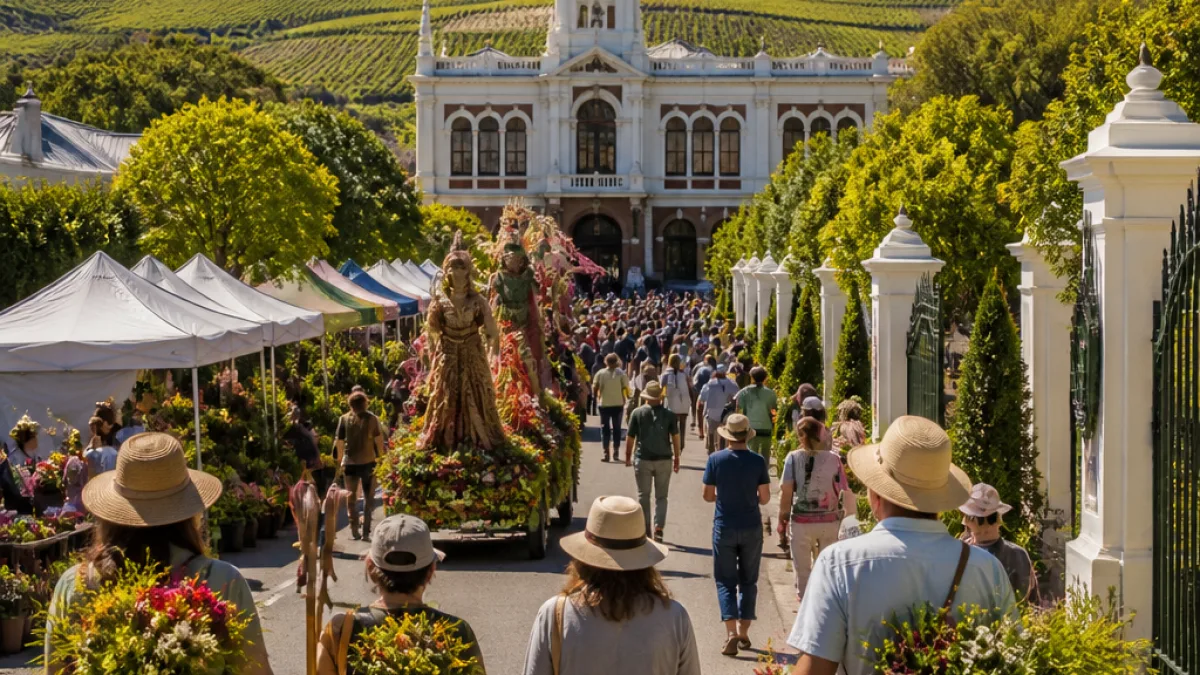
Stellenbosch will again centre horticultural tourism and community gardening when the fifth annual Garden Town festival runs from 23 October to 1 November 2026. The municipality-organised, Visit Stellenbosch-hosted programme spreads across estates, public gardens and town venues, bringing workshops, guided walks, displays and community activities to the wine‑country landscape.
Programme links estates, botanical gardens and the town centre
Organisers say the festival purposefully uses the fabric of Stellenbosch — private gardens and farms alongside public green spaces — so visitors can move between formal displays, talks and practical workshops. The programme lists events at a mix of venues that includes the Stellenbosch University Botanical Garden, Tokara, Delaire Graff Estate, Cavalli Estate, Spier and the Town Hall.
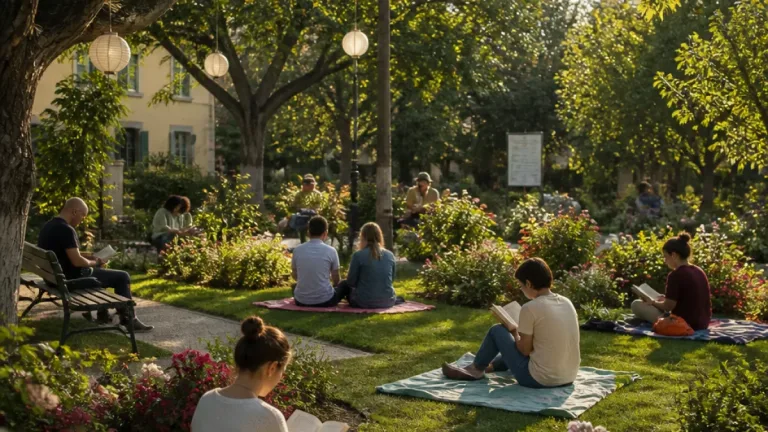
Key ticketed and free events combine horticultural displays with food, wine and outdoor experiences. Community-focused elements are also prominent: the programme names gardening activities taking place in Kayamandi and a guided walk at Spier intended to connect biodiversity themes to practical landscape management.
- Festival dates: 23 October–1 November 2026
- Grand Flower Parade: 27 October 2026
- Town Hall Garden Show, Market and Tea Garden: 23–31 October 2026
- Stellenbosch Street Soirée: 28 October 2026
Local reporting describes Garden Town as a celebration of gardens, horticultural heritage, creativity, food, wine and outdoor experiences.
What residents and visitors should expect
The festival combines private gardens that are seldom open to the public with curated botanical displays and a calendar of talks and workshops linked to biodiversity and sustainable living. For residents this means an unusual opportunity to see parts of the town’s horticultural fabric that normally sit behind estate gates, while local traders in the town centre will see events such as the Town Hall Garden Show and the Stellenbosch Street Soirée draw footfall into the central precinct.
For community groups and those involved in urban greening, the Kayamandi gardening activities are a focal point: they link the broader festival to local efforts to increase food security and public gardening skills. The inclusion of Spier and other estates also keeps wine‑country producers visible in a festival that balances commercial hospitality with public access and learning.
Practical information and likely impacts
Organisers have published a local programme that identifies dates, venues and participating activities. Residents should expect increased visitor numbers across the town and surrounding estates on key days, notably the Grand Flower Parade on 27 October and the street events on 28 October. Traffic and parking pressure is likely to rise, particularly around the Town Hall area and popular estate entrances.
| Event | Date(s) | Venue(s) |
|---|---|---|
| Opening period | 23 Oct–1 Nov | Multiple venues across Stellenbosch |
| Town Hall Garden Show, Market and Tea Garden | 23–31 Oct | Town Hall |
| Grand Flower Parade | 27 Oct | Town centre |
| Stellenbosch Street Soirée | 28 Oct | Town centre |
Visit Stellenbosch is listed as the host and the municipality as the festival initiator. The event foregrounds sustainability themes including biodiversity and practical gardening, reflecting a broader push to position Stellenbosch as both a wine‑country destination and a compact town with active public spaces.
Residents planning to attend should consult the official programme for booking requirements and any ticketed elements. Local businesses and hospitality operators can expect a multi‑day uplift in activity and are likely to participate through markets, tea gardens and related hospitality offerings.
Because the programme maps events across private and public realms, accessibility and capacity vary by venue. Those with mobility concerns are advised to check individual event details in advance to confirm facilities and access arrangements.
The festival’s mix of private-garden openings, estate offerings and town-centre events underlines how Stellenbosch’s landscape continues to be used as a stage for cultural and environmental programming that reaches both visitors and residents.