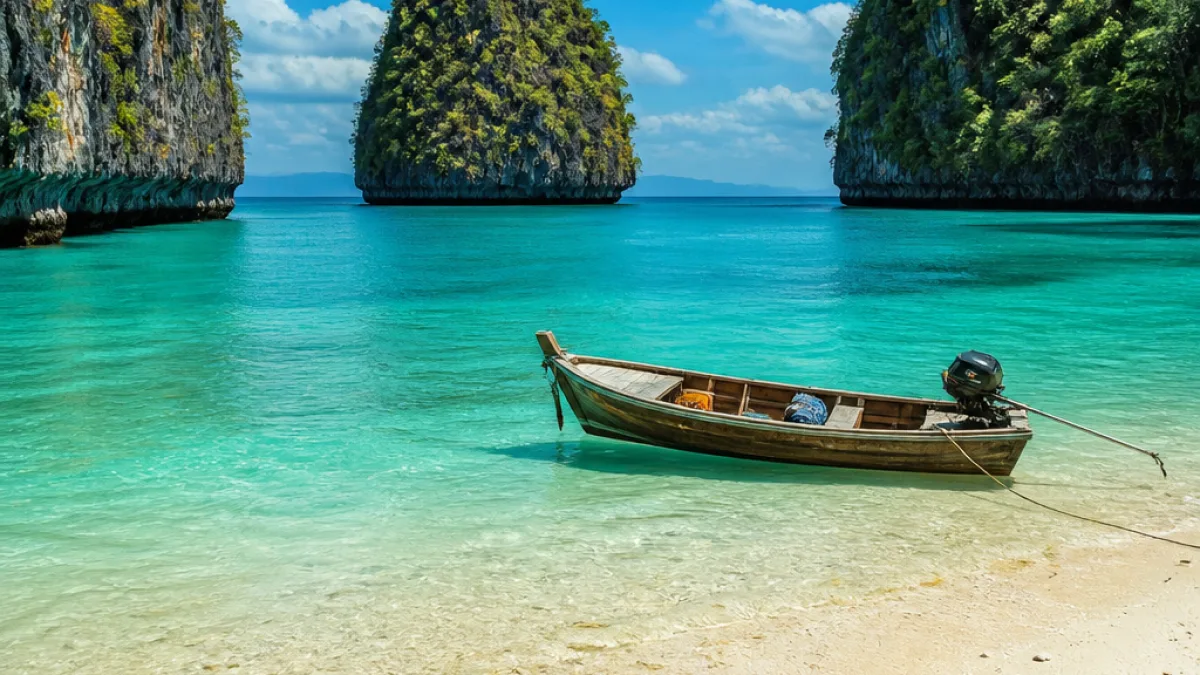
Raja Ampat – literally the ‘Four Kings’ – is an archipelago off the coast of Southwest Papua, Indonesia, celebrated for its extraordinary marine life and karst islands. More than 1,500 small islands, cays and shoals sit around the four main islands of Waigeo, Batanta, Salawati and Misool, creating a landscape that’s as dramatic above water as it is below.
Pick your base, and don’t try to see it all
The archipelago is vast. Rather than racing between sites, choose a base and explore the nearby highlights. Popular starting points include Waisai (the main town on Waigeo), from which day trips and liveaboards depart. Operators commonly package island‑hopping, snorkelling and diving trips; time and transfer costs rise if you want to reach more remote areas such as Wayag or southern Misool.
- Piaynemo: an iconic viewpoint reached by a short climb to a panoramic platform, ideal for photography and short island‑hopping stops.
- Wayag: famous for dramatic karst formations and sheltered lagoons; access is slower and more expensive, so plan transfers in advance.
- Dampier Strait: a diving and snorkelling hotspot around Kri, Mansuar and Arborek; expect vibrant reefs and larger pelagics, but be aware of strong currents.
- Misool: the southern islands offer remote coves, specialist resorts and liveaboard options popular with divers prepared to stay longer and spend more on transfers.
When to travel
Raja Ampat is warm year‑round, but sea conditions dictate diving visibility and the ease of island transfers. The generally favourable window for diving and island‑hopping is October to April. Stronger winds between June and September can make boat journeys rough and some routes more challenging.
Safety, wildlife and expectations
Wildlife sightings are a draw, but they cannot be guaranteed. Manta rays, turtles, reef sharks and dense schools of fish are frequently reported in rich sites such as the Dampier Strait, yet encounters depend on currents, season and luck. Currents can also be strong; choose experienced dive operators who brief clients on local conditions and safety procedures.
| Area | Highlights | Notes |
|---|---|---|
| Piaynemo | Panoramic viewpoints, photography | Short climbs, popular on day tours |
| Wayag | Karst islands, sheltered lagoons | More time and planning required |
| Dampier Strait | Diving, snorkelling, diverse marine life | Strong currents—use reputable operators |
| Misool | Remote reefs, liveaboards, specialist resorts | Ideal for longer, dive‑focused trips |
Practical tips for South African travellers
If you’re travelling from South Africa, plan a flexible itinerary that allows for weather‑related changes to boat schedules. Transfers between islands are a key logistic consideration — they vary in price and duration depending on how far afield you want to go. Booking with established operators helps manage safety around currents and ensures better equipment and local knowledge.
- Allow extra travel time for island transfers and unexpected delays.
- Book reputable dive and snorkel operators who understand local currents and conservation practices.
- Consider liveaboards if you want extensive dive time and access to more remote sites.
- Pack reef‑safe sun protection and follow local guidance to protect coral habitats.
Raja Ampat rewards those who travel thoughtfully: slower, focused itineraries increase your chances of memorable encounters with the archipelago’s rich marine life while reducing the stress of long transfers. For South African travellers seeking a remote island escape with world‑class diving and striking landscapes, careful planning and a respect for local conditions will make the journey worthwhile.