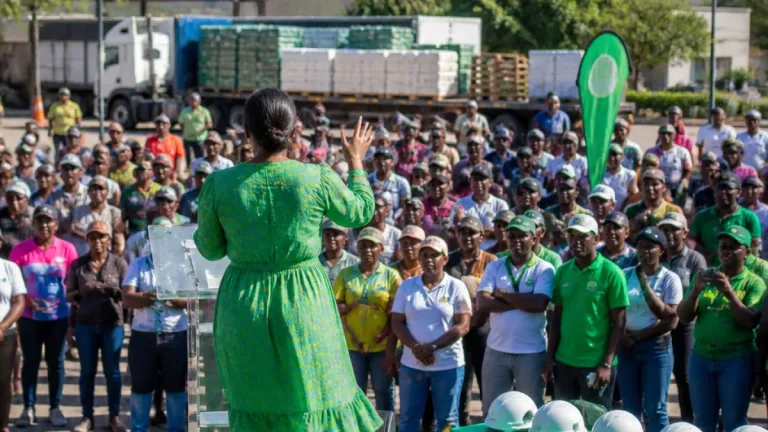

Alexandria Ocasio‑Cortez has been a conspicuous presence on the campaign trail ahead of the US midterm elections on 3 November 2026, visiting competitive races from Michigan’s Upper Peninsula to Ohio, Maine and California’s Central Valley. Her appearances — which frequently packed halls and drew hundreds of students and residents — are being cast as a test of whether the progressive politics she champions can win outside her New York congressional district.
From local star to national brand
At 37, Ocasio‑Cortez is described by observers as a natural heir to the movement associated with Senator Bernie Sanders of Vermont. Her platform rests on a mix of policy proposals that have proven popular among younger voters and a social‑media reach of tens of millions, giving her a national profile few members of Congress enjoy.
Her campaign stops have not been confined to friendly territory. In Michigan’s deeply Republican Upper Peninsula, rooms filled despite the conservative tilt of the area. In college towns in Maine and at events in Ohio, she drew large student turnouts. In California’s Central Valley she campaigned for a progressive challenger seeking to unseat a House Republican.
"We have written a check on the left, saying if you champion these policies that have popular support, we can win," Ocasio‑Cortez said at a recent fundraiser. "Now it is time to cash in. Now it is time to go out and show what we are capable of."
What is at stake
Strategically, the value of AOC’s involvement is twofold: mobilising enthusiastic volunteers and donors, and signalling to persuadable voters that progressive policies can be mainstream. Political advisers note the gamble — if the candidates she supports prevail in swing contests, the progressive brand gains credibility; if they falter, critics will argue her approach is electorally limiting.
Doug Sosnik, a former senior adviser to Democratic President Bill Clinton, was quoted assessing the interplay of candidate and moment: "You have to be the right person at the right place at the right time." That observation underscores the calculation both for Ocasio‑Cortez and the campaigns that invite her.
- Benefit: Progressive candidates gain national visibility, youthful organisers and fundraising spikes from AOC’s appearances.
- Risk: Association with a polarising national figure could alienate moderate or undecided voters in closely contested districts.
Horse‑trading and political arithmetic
Behind the rallies there is familiar electoral bargaining. Campaigns decide whether the boost in energy and small‑donor contributions from a high‑profile progressive offsets the possibility of losing moderate voters. That calculation differs by race: in districts where Democrats hope to flip a seat, a high turnout among young progressives may be decisive; in suburban or rural battlegrounds, perceived extremism can be costly.
The broader Democratic Party faces a dilemma about incumbency and renewal. Ocasio‑Cortez’s national footprint gives her sway in primary and general election choices, and her endorsements signal a preference for bold policy over centrist compromise. Who benefits if her model succeeds is clear: candidates and interest groups aligned with her agenda. Who pays is more diffuse — the party collectively bears electoral consequences in tight races, and ultimately voters decide whether that cost is acceptable.
| Location | Role of Ocasio‑Cortez |
|---|---|
| Michigan Upper Peninsula | Packed rooms in a Republican area |
| Ohio | Campaign events in competitive districts |
| Maine (Portland) | Support for Senate nominee Troy Jackson |
| California Central Valley | Backing a progressive challenger to a House Republican |
In Maine, her appearance at a historic concert hall in Portland saw a mix of college students and retirees — a reminder that the progressive message can have multigenerational appeal in the right setting. The coming midterms will measure whether those pockets of enthusiasm can be converted into votes across a range of electoral geographies.
For now, Ocasio‑Cortez’s role remains both symbolic and practical: she is a signal of a particular direction for the Democratic Party and an active campaigner trying to translate that signal into seats. The results on 3 November will be read as a referendum not only on individual candidates but on whether a progressive brand can broaden its reach beyond the party base.