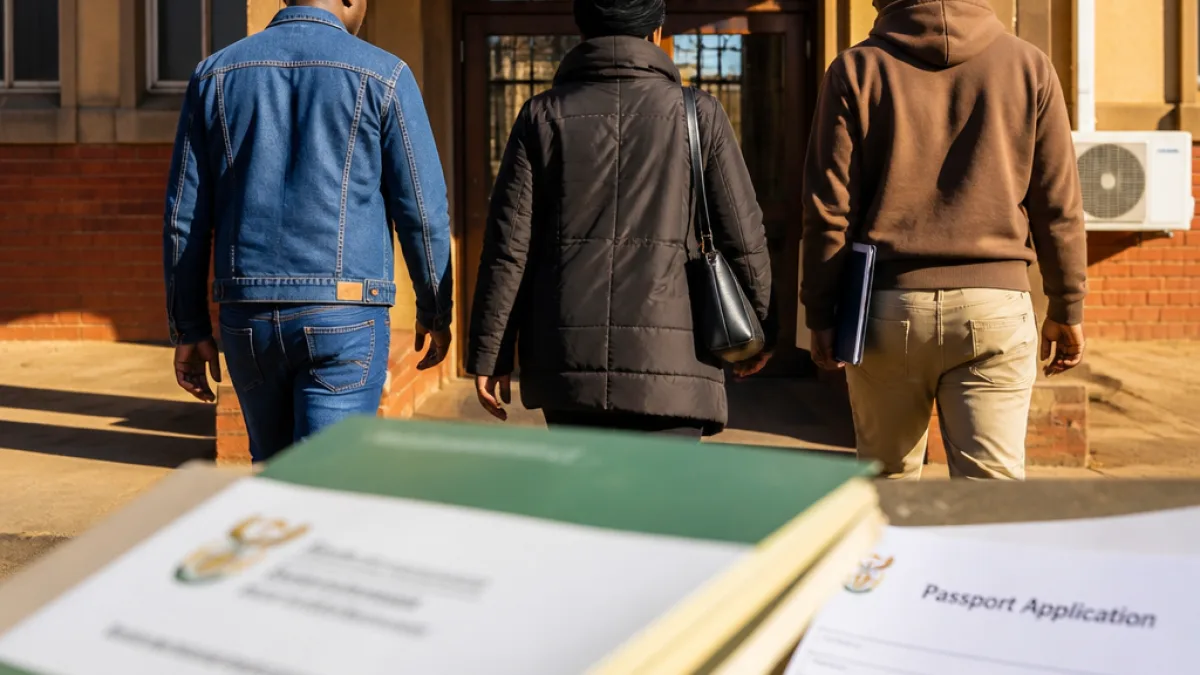
Three suspects before Bothaville court
Two former Home Affairs officials and a civilian have been arrested in connection with an alleged passport fraud scheme at the department’s Bothaville office in the Free State. The case centres on claims that photographs were unlawfully exchanged during the processing of passport applications, potentially allowing people who did not qualify to obtain genuine South African travel documents.
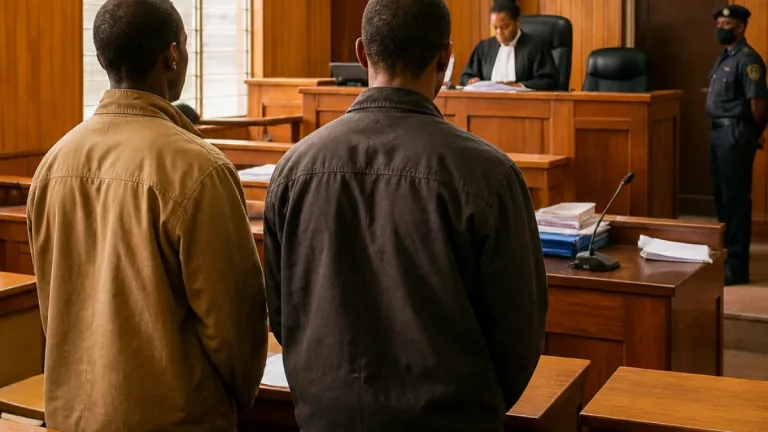
The alleged conduct is linked to activity at the office in 2023. According to the reported details, investigators identified 10 separate passport applications in which photographs were allegedly manipulated. The suspects appeared in the Bothaville Magistrate’s Court on 27 October 2026, and the matter was postponed to 20 January 2027.
The accused are presumed innocent unless and until proven guilty in court. The available information does not indicate whether they have been granted bail or set out the specific charges each person faces. The postponement means the matter remains at an early stage in the criminal justice process.
How the alleged scheme worked
The reported method involved using identity information belonging to legitimate South African citizens while replacing the photographs attached to the applications with images of foreign nationals. If proven, the process would have enabled individuals to receive authentic South African passports despite allegedly not being entitled to them.
This distinction is important. The allegations do not concern counterfeit passports manufactured outside the official system, but the claimed abuse of a legitimate administrative process. A passport obtained through official channels can appear valid, making controls around identity verification and application screening central to the integrity of the system.
The alleged activity also points to the risks created when officials or other people with access to departmental processes exploit weaknesses in identity-document systems. The source report said the suspects allegedly took advantage of weaknesses in older Home Affairs systems to alter identity information and replace photographs.
Investigation involved Hawks
The investigation was conducted by the Department of Home Affairs’ Counter Corruption Unit in partnership with the Hawks. The arrests form part of wider efforts to address corruption within the department, rather than an isolated response to the Bothaville allegations.
Since July 2024, those efforts have reportedly resulted in 44 arrests and the dismissal of 98 officials linked to corruption cases within Home Affairs. The figures indicate the scale of the department’s internal disciplinary and criminal investigations, although they do not establish that all the matters involve passport applications or the same alleged conduct.
| Key detail | Information available |
|---|---|
| Location | Bothaville Home Affairs office |
| People arrested | Two former officials and one civilian |
| Applications allegedly manipulated | 10 passport applications |
| Court appearance | Bothaville Magistrate’s Court, 27 October 2026 |
| Next court date | 20 January 2027 |
Department tightening digital controls
Home Affairs Minister Dr Leon Schreiber said the arrests should demonstrate that people who exploit weaknesses in departmental systems will face accountability. The department has linked the investigation to a broader digital transformation programme intended to close opportunities for fraud and corruption.
“These arrests send a clear message that those who exploited weaknesses in Home Affairs’ systems will be held accountable.”
According to the minister’s statement, the department has since closed key loopholes through its reform programme. It has also introduced biometric verification as part of the changes. The stated aim is to make it more difficult for an applicant’s identity information and photograph to be manipulated during the passport process.
Biometric controls are intended to strengthen the connection between an applicant’s identity and the document issued in that person’s name. However, the arrest announcement itself does not provide details about the specific controls that failed in the alleged 2023 applications, when the suspected conduct took place, or when the department first detected the irregularities.
What happens next
The next confirmed development in the case is the court appearance scheduled for 20 January 2027. Further proceedings may clarify the charges, the evidence relied on by the prosecution and the status of the accused. The investigation may also establish whether additional people were involved or whether the 10 applications represent the full extent of the alleged activity.
For members of the public, the case underscores the importance of protecting identity information and reporting suspected irregularities through official channels. It also highlights why trustworthy passport administration matters: South African passports are official documents used for international travel and identity verification, and their credibility depends on accurate records and secure issuing procedures.
The arrests do not amount to convictions. Any eventual finding will depend on evidence presented in court and the outcome of the legal process. For now, the Bothaville matter remains an allegation of internal process abuse under investigation by Home Affairs and the Hawks.