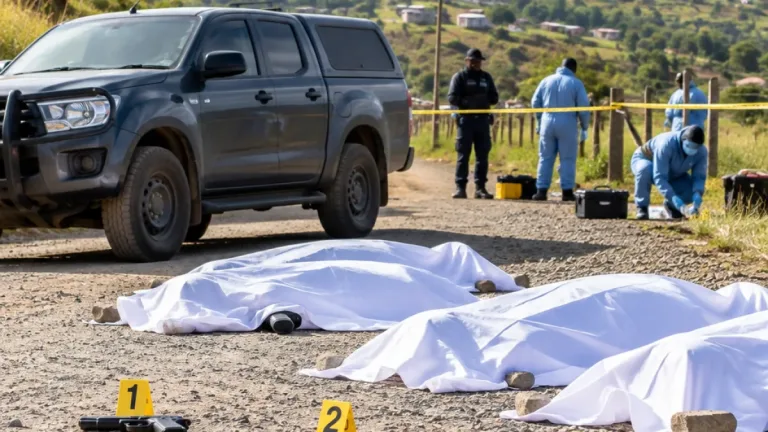
At least 50 people have been killed in suspected political hits during the election season ahead of South Africa’s local government polls on 4 November 2026, according to a report examining violence linked to the country’s electoral periods.
The toll makes the 2026 contest the deadliest on record for political assassinations since 2015, the report said. The killings have cast a grim shadow over preparations for the vote, with KwaZulu-Natal featuring prominently in the pattern of violence documented ahead of election day.
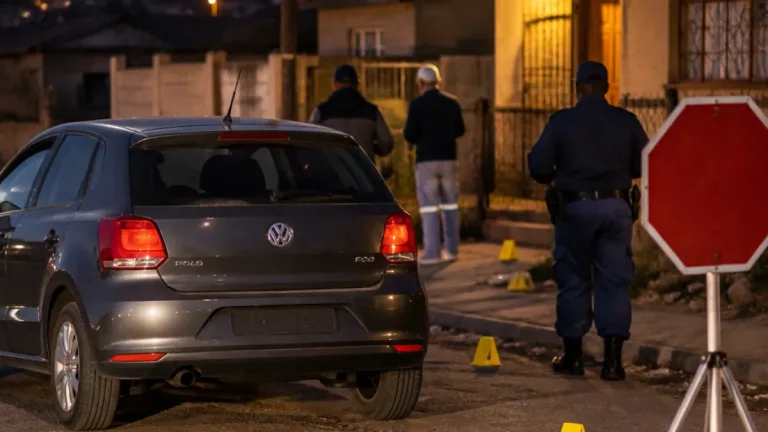
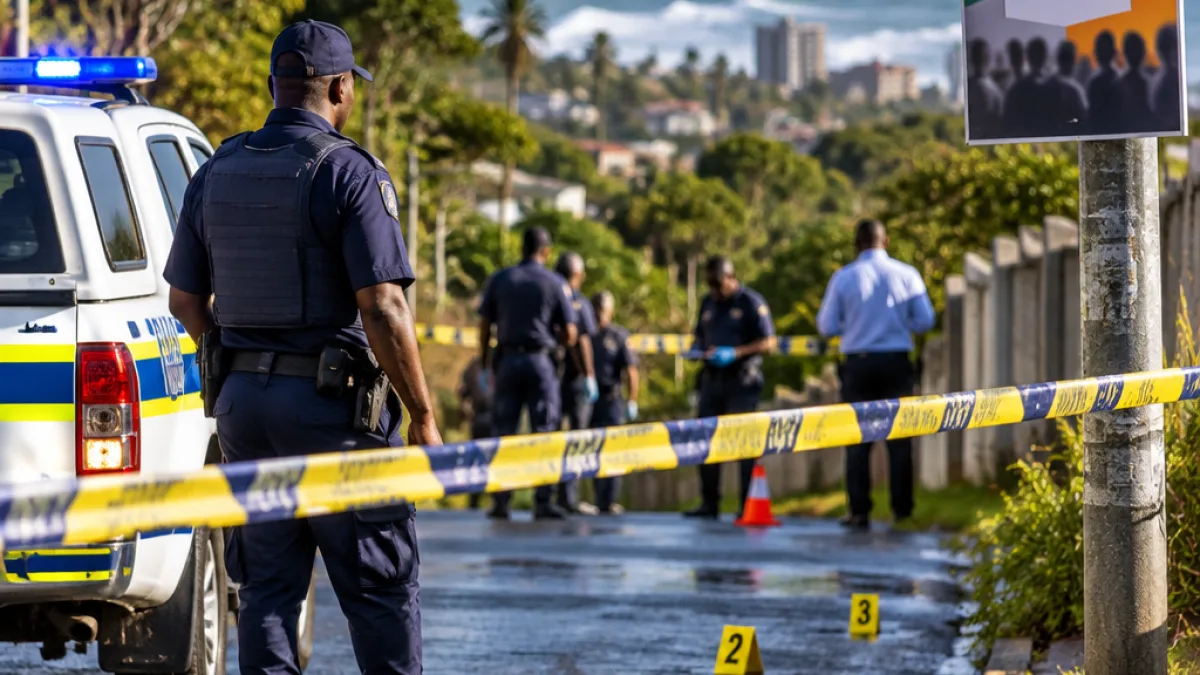
One of those killed was Lungani Makhathini, a 42-year-old ANC coordinator for Ward 98. He was shot dead on 15 October in uMgababa, south of Durban. His killing is among the cases included in the reported tally of suspected political hits.
A deadly backdrop to the local polls
The figures place the violence in the context of a crucial local government election, when voters are expected to choose representatives responsible for services and governance in municipalities across the country. The reported deaths have instead highlighted the risks faced by people involved in political organisation at ward and community level.
The available information does not establish who was responsible for the individual killings, nor does it set out the status of any investigations or prosecutions. The deaths are described as suspected political assassinations, meaning the motive and the identity of those behind each attack remain matters for investigators and the courts.
For communities in and around Durban, the death of a ward-level organiser in uMgababa brings the national picture close to home. Ward coordinators and other local political organisers often work at the point where party activity meets daily community concerns. The reported attack shows how violence during an election season can affect not only senior political figures, but also people working within local structures.
What the reported figures show
| Measure | Reported detail |
|---|---|
| People killed | At least 50 |
| Type of violence | Suspected political hits |
| Election date | 4 November 2026 |
| KwaZulu-Natal case highlighted | Lungani Makhathini, uMgababa |
The reported toll is significant because it surpasses the number recorded during any other election period since 2015, according to the investigation. It also means that the question of safety is not separate from the election itself. Candidates, party workers, voters and communities must be able to participate without intimidation or the fear that political activity may become a target for violence.
- Election day: South Africans are scheduled to vote on 4 November 2026.
- KwaZulu-Natal case: Ward 98 ANC coordinator Lungani Makhathini was killed in uMgababa, south of Durban.
- Reported national toll: At least 50 people have died in suspected political hits during the election season.
Questions that remain unanswered
The information available in the report does not provide a breakdown of the 50 deaths by province, political affiliation or municipality. It also does not indicate how many cases have resulted in arrests, criminal charges or convictions. Those details will be important in assessing whether the killings are being investigated effectively and whether people who organise political violence are being held accountable.
There is likewise no indication in the available account that Makhathini’s killing has resulted in an arrest or prosecution. Any determination of motive will need to follow evidence gathered by investigators rather than assumptions based on his political role or the timing of the attack.
The distinction matters in a country where election violence can quickly deepen mistrust between political organisations and communities. A killing may be linked to a dispute over political influence, municipal power or another motive, but only a properly tested investigation can establish the facts. Until then, the cases remain serious allegations requiring due process.
Safety and public confidence
As voting day approaches, the scale of the reported violence raises concerns about public confidence in the local government polls. Elections depend on participation that is free from threats, and the deaths of political organisers can have a chilling effect beyond the individuals directly involved.
For residents, the practical priority is to rely on official information about voting arrangements and to report threats or criminal activity to the police. Political parties and community leaders also have a responsibility to reject intimidation and violence, while investigations must proceed without fear or favour.
The killings will not be resolved by election day simply because ballots are cast. The reported death toll will remain part of the country’s political record, and each case will require answers. In KwaZulu-Natal, the shooting of a ward coordinator in uMgababa stands as a local reminder of the human cost behind a national statistic.