Peace pledge follows weeks of violence
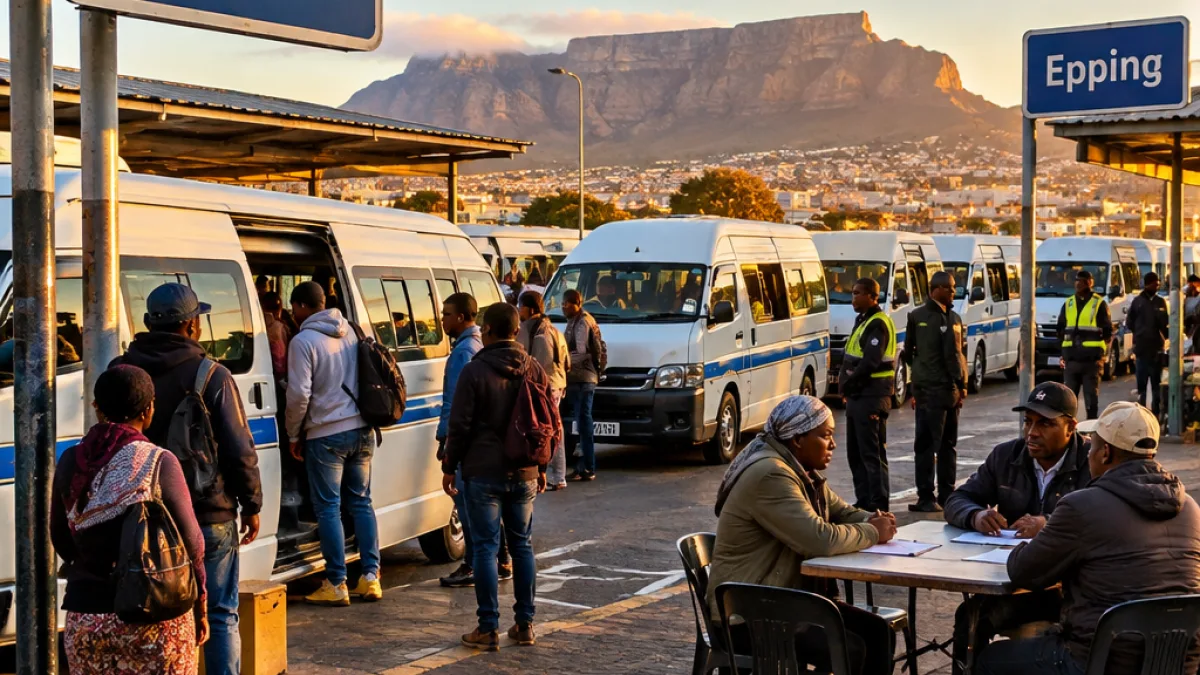
Rival taxi organisations CATA and CODETA have committed to preserving peace in the Cape Town metropolitan area after weeks of violence linked to a dispute over routes between Delft and Epping.
The commitment was made during a meeting on Monday, 2 November 2026, attended by representatives of the taxi industry and government. City officials said taxi services had returned to normal at ranks and stations across the metro after the engagement.
The development offers temporary relief to commuters who rely on minibus taxis to reach work, schools and other essential services. But the agreement also leaves the industry facing the difficult task of turning a public undertaking into sustained calm on routes where the dispute has already been associated with deadly shootings.
The South African National Taxi Council (Santaco) in the Western Cape said all relevant organisations were represented at Monday’s meeting. Its earlier engagement on 29 October had been less inclusive, with CATA not sending representatives to talks intended to address its dispute with CODETA.
“The two parties (CATA and CODETA) committed themselves to keep peace and harmony in the metro so hopefully they will keep their promise.”
The statement was made by Makhosandile Tumana, Santaco’s Western Cape spokesperson and public relations officer. He said the organisation welcomed the participation of the stakeholders and the undertaking by the two taxi bodies.
Estimated death toll remains uncertain
Tumana said the conflict over the Delft-Epping route was the issue behind the killings, while cautioning that Santaco did not have a confirmed total for the number of people who had died. He put the estimated number at about 18.
The uncertainty around the toll underlines the seriousness of the crisis and the need for clear, verified information as authorities and the industry work to stabilise services. The source reporting does not provide a full breakdown of the victims or details of individual cases.
Santaco has called for an end to the violence and urged drivers to return to work. Its position is significant for commuters, but also places responsibility on the organisations involved to ensure that routes can operate without intimidation, disruption or further bloodshed.
What the agreement means for commuters
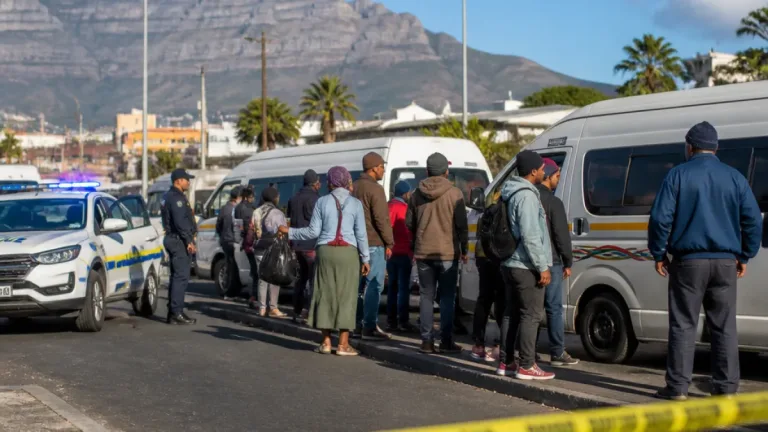
For passengers, the immediate indication is that normal taxi operations have resumed at ranks and stations across the City. That does not remove the need for caution, particularly while the peace commitment is still being tested on the ground.
- Services: Taxi operations were reported to have returned to normal across City ranks and stations.
- Dispute: The central issue was a route conflict between Delft and Epping.
- Industry response: CATA and CODETA committed to maintaining peace.
- Human cost: Santaco estimated that about 18 people had died, although it said the figure was not confirmed.
Commuters should continue to monitor notices from transport authorities and operators if conditions change. The available information does not indicate any new shutdown or suspension of services following Monday’s meeting.
Commitments now face a practical test
The latest engagement is not the first attempt to resolve the conflict. The meeting on 29 October brought together representatives of the industry and the Western Cape Government after a series of taxi-related shootings allegedly connected to tensions between CATA and CODETA. CATA’s absence from that meeting limited the extent to which both sides could participate directly in the discussions.
Monday’s meeting appears to have addressed that gap, with Santaco saying every organisation was represented. That creates a clearer basis for accountability: the organisations have now publicly committed themselves to peace, and the next measure of progress will be whether drivers and operators can continue working without a return to violence.
Santaco said the engagement was an important step towards restoring stability, but also warned that promises alone would not be enough. The organisation called on the parties to honour their undertaking and settle disputes through dialogue rather than allowing more lives to be lost.
The warning reflects the broader challenge facing the Western Cape’s taxi industry. Minibus taxis are a central part of daily travel in the province, particularly for residents who need affordable connections between communities and employment areas. When routes are disrupted, the consequences extend beyond the operators involved, affecting passengers, households and businesses.
For now, the return to normal operations provides a measure of relief, but it should not be confused with a final resolution. The Delft-Epping dispute has exposed the cost of unresolved route tensions, and the estimated death toll has made the need for a durable settlement more urgent.
The immediate priority for CATA, CODETA, Santaco and government representatives is therefore straightforward: keep services operating safely, prevent retaliation and maintain the dialogue that brought both rival organisations into the same room. The credibility of Monday’s pledge will be judged by whether peace holds beyond the meeting itself.
| Issue | Reported position |
|---|---|
| Route dispute | Delft and Epping |
| Organisations involved | CATA and CODETA |
| Latest meeting | 2 November 2026 |
| Estimated deaths | About 18, according to Santaco |