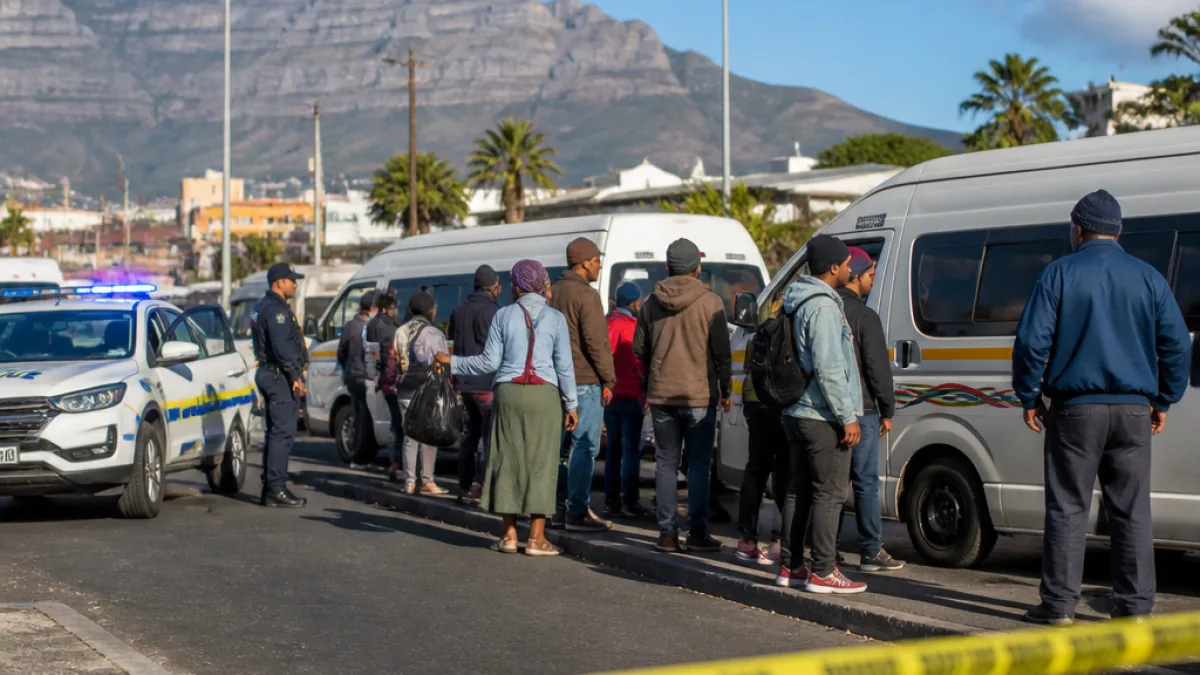
Province demands an end to taxi-related shootings
Western Cape Mobility MEC Isaac Sileku has warned two of Cape Town’s major taxi associations that further action could follow if violence linked to their dispute continues, placing the safety of commuters at the centre of the provincial government’s response.
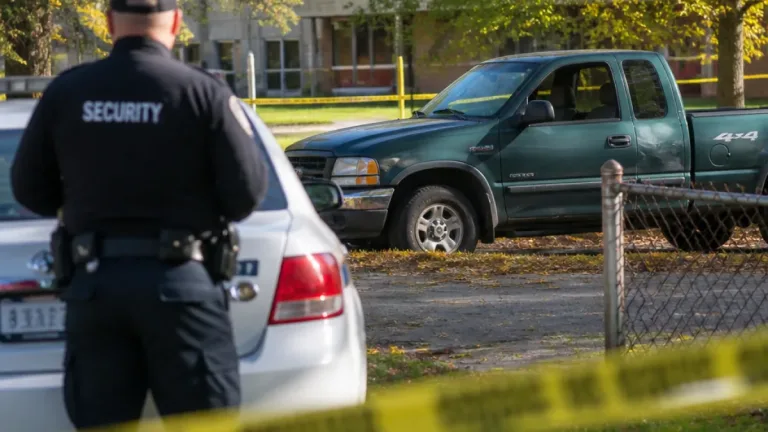
The warning comes after a week of tension and shootings involving the Cape Amalgamated Taxi Association (CATA) and the Cape Organisation for the Democratic Taxi Association (CODETA). The latest reported incident was at the Delft taxi rank on Wednesday, while another shooting was reported on the R300.
The provincial Department of Mobility was expected to meet CATA, CODETA and the South African National Taxi Council (Santaco) on 29 October. The purpose of the meeting is to address the dispute and seek a way to stop the violence that has unsettled parts of the city’s public transport network.
“They must agree that the shootings and killings are going to come to an end.”
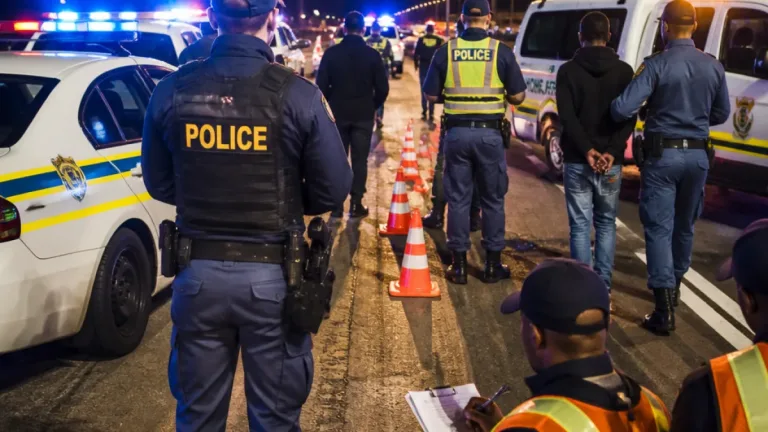
Sileku said the violence at the Delft taxi rank should never have happened and that the department would increase law-enforcement visibility at identified hotspots. The stated priority is to protect commuters who rely on taxis to travel through Cape Town.
Commuter safety is at the centre of the response
The MEC’s intervention reflects the practical risks created when conflict in the taxi industry spills into ranks and onto major roads. Taxi ranks are essential points in Cape Town’s daily transport system, while routes such as the R300 carry large volumes of traffic between communities. Any shooting in or near these spaces can create danger not only for taxi passengers and drivers, but also for pedestrians and other road users.
The department has not provided casualty figures or detailed information about the individual incidents in the statement on which the warning was based. It has, however, described the recent events as part of an ongoing dispute and said that identified hotspots would receive greater law-enforcement attention.
For commuters, the immediate message is that some areas may see a more visible police and law-enforcement presence while the department engages with the taxi industry. The province has not indicated that all taxi services will be suspended, and residents should rely on notices from transport authorities and local law enforcement for any changes affecting particular routes or ranks.
- Delft taxi rank: The province condemned violence reported at the rank on Wednesday.
- R300: A separate taxi-related shooting was reported on the route.
- Planned engagement: CATA, CODETA, Santaco and the Mobility Department are expected to meet.
- Hotspots: The department says it will work to increase law-enforcement visibility in identified areas.
Dispute repeatedly centres on two associations
Sileku said the recurring conflict was particularly associated with CATA and CODETA, despite the province having eight taxi regions. His remarks place pressure on both organisations to resolve their differences through the industry structures represented by Santaco and through direct engagement with the provincial department.
The warning also raises a question of accountability. The province is responsible for managing aspects of mobility and has said it will use the measures and mechanisms available to it if the associations do not end the violence. However, the department has not specified what those measures would be. That leaves the planned meeting as the next important test of whether the competing parties can reach an agreement.
| Party | Stated position or role |
|---|---|
| Western Cape Mobility Department | To engage the associations, increase visibility at hotspots and protect commuters. |
| CATA and CODETA | Expected to address their dispute and agree to end shootings and killings. |
| Santaco | Expected to participate in the industry meeting aimed at resolving the impasse. |
Public transport stability remains under pressure
The province’s response must balance enforcement with the need to keep public transport operating. Cape Town commuters often depend on taxi services to connect communities with workplaces, schools and other transport interchanges. When disputes result in shootings or uncertainty at ranks, the consequences can extend beyond the immediate scenes of violence, affecting people who have no role in the conflict.
For now, the province has called on CATA and CODETA to reach an agreement and has warned that the current situation is unacceptable. The outcome of the meeting with Santaco will indicate whether the parties can move from public warnings to a practical arrangement that reduces the risk to commuters and prevents further shootings.
Sileku’s position is that continued violence will not be accepted as an ordinary feature of the taxi industry. The department says it will maintain pressure on the associations while increasing visibility where risks have been identified. The public interest issue is straightforward: commuters must be able to use Cape Town’s transport network without being exposed to disputes that turn ranks and roads into danger zones.