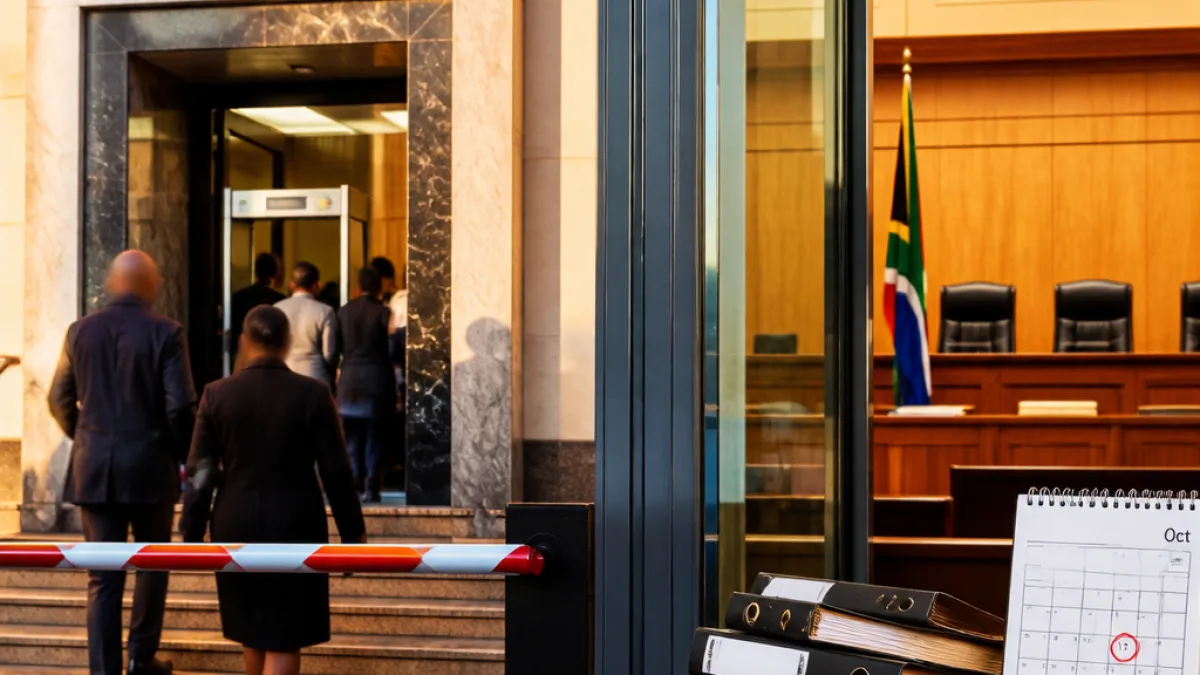
The trial of Duduzile Zuma‑Sambudla resumed in the KwaZulu‑Natal High Court in Durban on Monday, with an investigating officer in the South African Police Service telling the court he had concluded that social media posts by the accused were inciting violence during the unrest in July 2021.
Investigator says posts met threshold for incitement
The witness, an investigating officer attached to SAPS, gave testimony that he had examined digital material and reached a finding that the accused's social media activity amounted to incitement. The trial began in November last year and is scheduled to continue until 6 November 2026.
The court appearance on Monday focused on evidence related to the accused's online communications and how those messages, the investigator said, related to the events of July 2021. No details of the specific posts or their content were read into the public record during the hearing covered by the available reporting.
Context and legal significance
The charge, as framed by the investigating officer's testimony, centres on the legal question of whether social media content can cross the threshold from political speech or commentary into criminal incitement. South African criminal law treats incitement seriously when statements are reasonably likely to provoke imminent unlawful action or violence.
Prosecutors will need to show that the posts were not merely expressive but had the requisite connection to the unlawful conduct alleged during the unrest. Defence counsel may challenge the investigator’s interpretation of digital evidence, the context in which posts were made, and whether the communications were capable of producing the alleged outcomes.
What happened in court this week
- The matter resumed in the KwaZulu‑Natal High Court in Durban on Monday.
- An SAPS investigating officer testified that he concluded the accused's social media posts amounted to incitement.
- The trial began in November 2025 and is due to continue until 6 November 2026.
Reporting from the courtroom did not indicate that the investigator presented the full corpus of digital material in open session on Monday, nor were details provided about any expert forensic analysis that may have been led. Court proceedings are ongoing and further testimony is expected in the coming days.
| Key trial dates | Date |
|---|---|
| Trial began | November 2025 |
| Hearing resumed | 26 October 2026 |
| Current hearing scheduled to end | 6 November 2026 |
Local impact and public interest
The July 2021 unrest remains a subject of deep public scrutiny across KwaZulu‑Natal and the country. Court hearings that explore the role of digital communications are watched closely because they may shape how online speech is treated in future prosecutions and public debates about responsibility on social platforms.
For residents of Durban and surrounding municipalities, the proceedings underscore ongoing questions about accountability for the violence and the law’s reach in regulating speech that circulates widely online.
What to watch for next
- Further testimony from SAPS and possibly digital‑forensics experts about the provenance and context of social media material.
- Arguments from defence counsel challenging whether the posts could be legally characterised as incitement.
- Any rulings on the admissibility of digital evidence, which could influence the course of the trial.
The court process will determine whether the investigator's conclusions are borne out by the full evidence and whether those findings meet the criminal standard for incitement. Proceedings will continue through the scheduled dates at the KwaZulu‑Natal High Court in Durban.
Note: This account is based on courtroom reporting of the hearing that resumed on Monday and on the investigating officer's testimony that he concluded the accused's social media posts constituted incitement. Further details will emerge as the trial progresses and additional evidence is presented.