Court sets limits on demonstrations
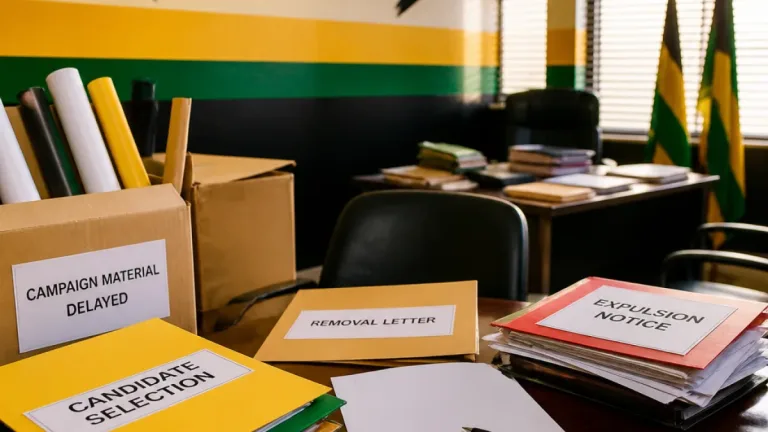
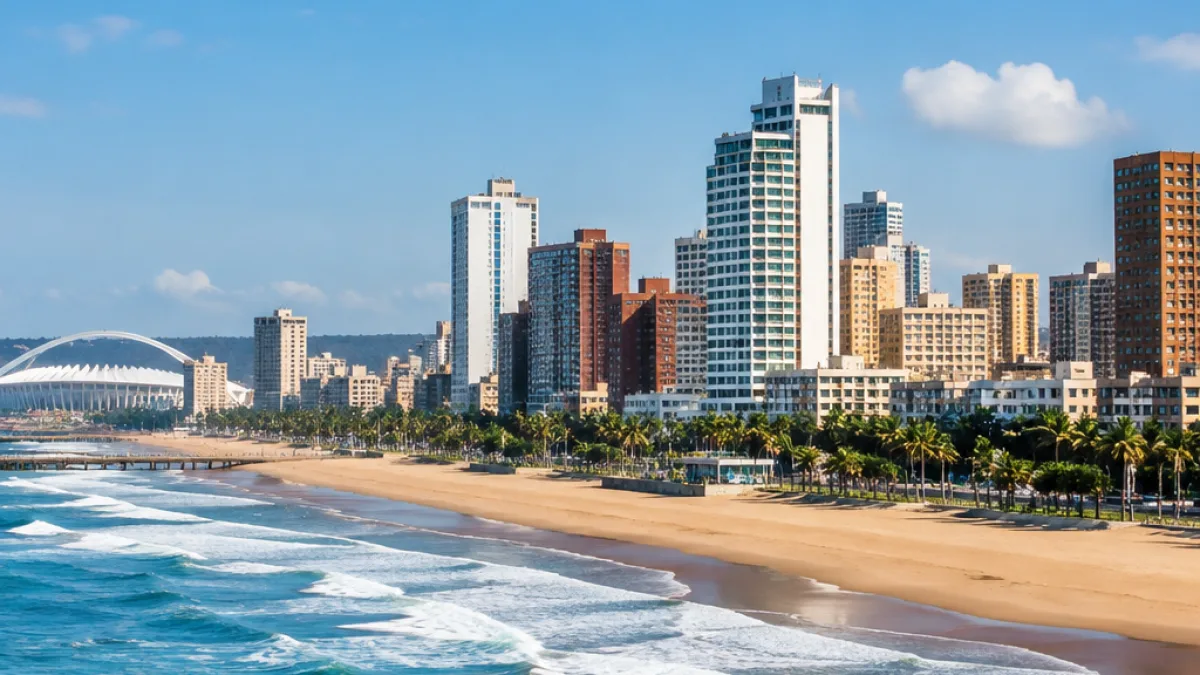
The Durban High Court has prohibited members of March and March, as well as people joining the movement’s anti-illegal immigration protests, from holding demonstrations during the local government election period. When protests are permitted to resume, they must take place between 10am and 3pm, follow designated routes and comply with a series of safety conditions.
The order, delivered on Friday, also prohibits protesters from carrying weapons, covering their faces or taking part in violent conduct. The restrictions follow an application by Acting Police Minister Firoz Cachalia and KwaZulu-Natal Police Commissioner Nhlanhla Mkhwanazi, who sought to prevent the movement from marching in the Durban central business district and around the Home Affairs Refugee Reception Centre on Che Guevara Road.
Outside court after the judgment, March and March attorney Xolani Zuma said the movement would only resume its protests after 6 November. He urged supporters to return to the streets from 7 November, while warning them to observe the order and avoid further legal action.
“We are faced with a choice between marching without sticks or not marching at all.”
Marchers reacted unhappily to the prohibition on sticks, saying the items form part of the Zulu accessories they use when expressing themselves. March and March leader Jacinta Ngobese-Zuma intervened to calm the gathering and explained the position to supporters. The dispute illustrates the tension between the movement’s chosen forms of public expression and the court’s requirements around safety and policing.
Police cite pressure on public safety resources
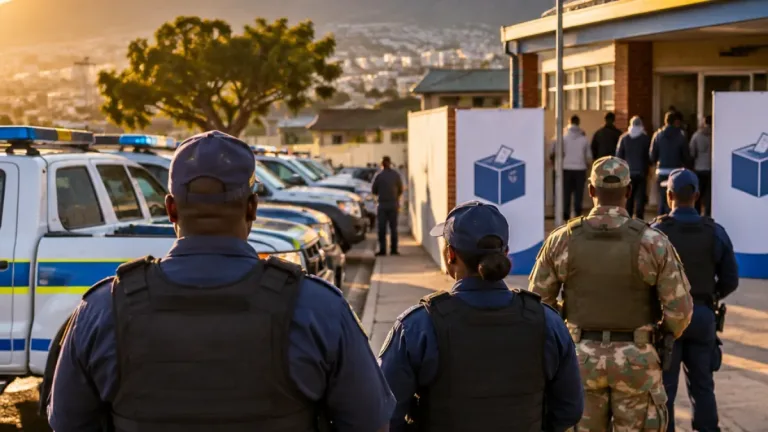
Cachalia defended the police application during a briefing in Durban on the South African Police Service’s readiness for the 4 November local government elections. He said demonstrations held without prior notice placed additional pressure on law enforcement and could escalate into violence, arson and loss of life.
According to Cachalia, police officers were being diverted at short notice to manage protests that might develop into violent confrontations. He said this placed pressure on available resources and exposed officers to risk. The court action is therefore intended to clarify the legal limits of protest activity while protecting members of the public and police personnel, he said.
For people travelling through central Durban, the ruling creates a clearer framework for how and when the demonstrations may take place after the election period. It also gives police specific conditions to enforce, including the restrictions on weapons, concealed faces, violent conduct, times and approved routes.
Key conditions in the order
- No March and March protests during the election period.
- Future demonstrations may take place only from 10am to 3pm.
- Protesters must use designated routes.
- Weapons, including sticks and knobkerries, are prohibited.
- Participants may not obscure their faces or engage in violent conduct.
| Issue | Position under the order |
|---|---|
| Election period | Marches are prohibited |
| When protests resume | 10am to 3pm on designated routes |
| Participant conduct | No weapons, concealed faces or violence |
The ruling does not end the movement’s stated opposition to illegal immigration, but it places its public demonstrations within limits set by the court. March and March supporters now face a choice between complying with the conditions, including the ban on sticks, or risking additional legal proceedings.
With the election period approaching, the focus will be on compliance by organisers and participants, as well as the ability of law enforcement to manage any activity that does take place within the permitted framework. For Durban residents, the immediate message is that the protests are not authorised during the election period, and any later marches must follow the court’s timetable, routes and safety requirements.