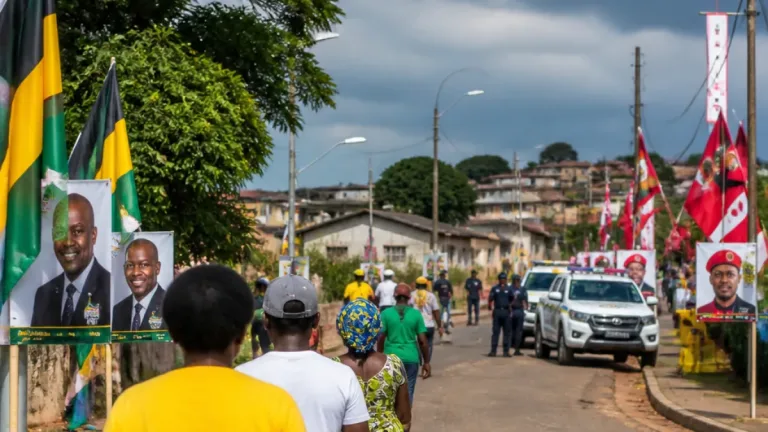
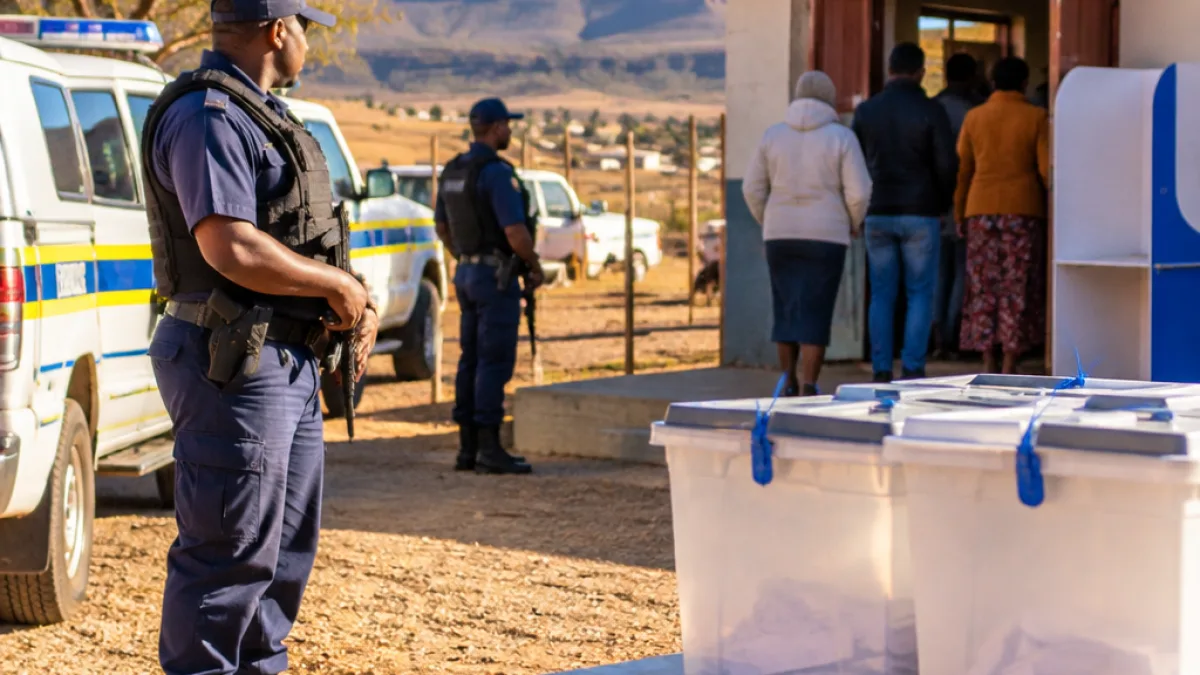
Security preparations have been intensified across the Northern Cape ahead of Wednesday’s Local Government Elections, with police and their provincial security partners placed on alert to protect voters, election workers and voting infrastructure.
The Northern Cape Provincial Joint Operational and Intelligence Structure, known as PROVJOINTS, said an integrated plan had been completed for the electoral period. The operation covers all five districts in the province and includes deployments, intelligence work, crime-prevention measures and arrangements for responding to incidents that may threaten the voting process.
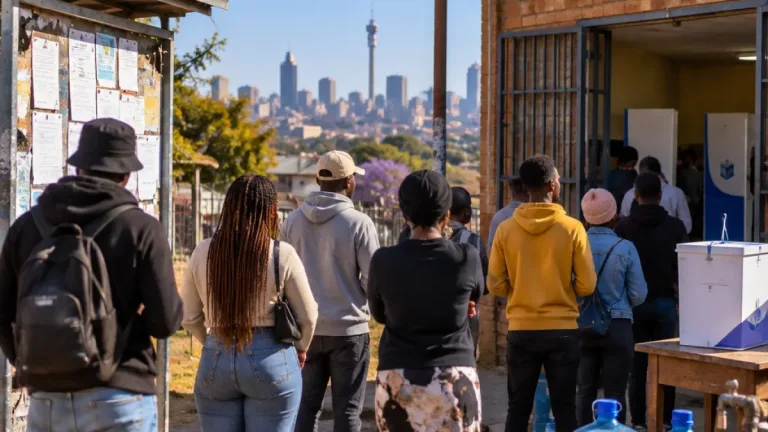
South Africans will vote on 4 November 2026. The day has been declared a public holiday to allow voters to carry out their civic duty. In the Northern Cape, the security operation will run across the province rather than being limited to individual municipalities or voting areas.
“Law enforcement agencies and relevant government departments within the provincial security cluster are on high alert and ready to fulfil their respective responsibilities throughout the electoral period,” SAPS Northern Cape Provincial Commissioner Lieutenant General Koliswa Otola said.
Police focus on protection and rapid response
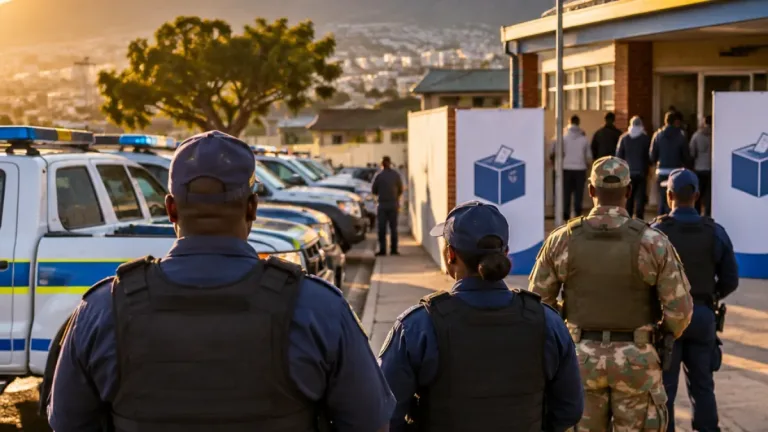
According to PROVJOINTS, the planning process included security assessments, intelligence gathering and consultations with organisations involved in the elections. The arrangements are designed to allow officials to identify emerging risks, maintain a visible law-enforcement presence and adjust deployments when circumstances change.
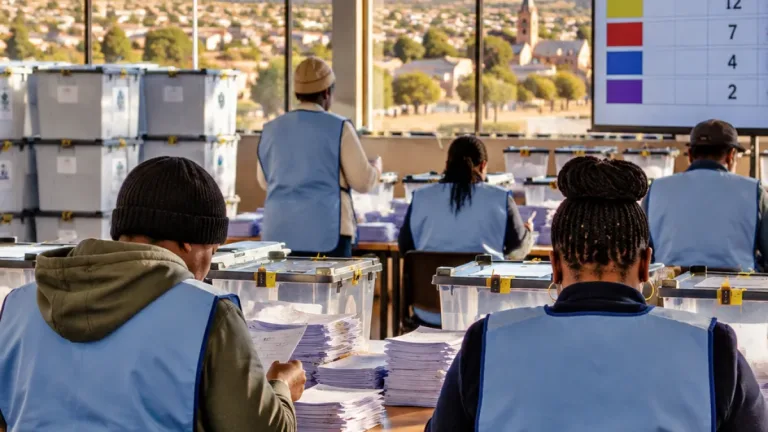
Among the central responsibilities are the protection of voting stations, IEC officials and election personnel. Security teams will also safeguard election-related infrastructure and oversee the movement and storage of election material. These measures are intended to protect the practical systems that enable voting to take place, from the arrival of electoral material to the work of personnel at voting stations.
- Protection of voting stations and election personnel;
- Security for election infrastructure and electoral material;
- Increased police visibility and targeted crime-prevention operations;
- Rapid response capacity when incidents or threats are identified; and
- Ongoing monitoring of areas regarded as potential hotspots.
The structure said deployments would be reviewed continuously. This means that resources can be moved or reinforced in response to intelligence, operational requirements or developments during the electoral period. The plan is described as intelligence-driven, with information sharing intended to support quicker decisions and coordinated action.
Multi-agency operation across the province
The South African Police Service will work with the Electoral Commission of South Africa, provincial and local government structures, the South African National Defence Force and traffic authorities. Municipal law-enforcement agencies, the National Prosecuting Authority and other relevant partners are also part of the security arrangements.
PROVJOINTS will serve as the coordination mechanism for the participating agencies. Its role includes supporting the exchange of information, assessing the security environment and helping partners respond to issues as they arise. The cooperation is intended to prevent gaps between agencies responsible for policing, traffic management, election administration and prosecution.
| Election security area | Planned response |
|---|---|
| Voting stations | Protection and increased police visibility |
| Election personnel | Security for IEC officials and other workers |
| Election material | Safeguarding movement, storage and related infrastructure |
| Potential hotspots | Continuous monitoring and targeted operations |
Warning against intimidation
Otola stressed that police would not tolerate violence, threats or intimidation during the elections. The stated objective is to protect lives and property, preserve public order and ensure that eligible voters can exercise their democratic rights freely.
The warning applies within a wider commitment to maintaining a peaceful electoral process. While the security plan includes preparations for rapid intervention, PROVJOINTS said the arrangements would be reassessed throughout the period rather than treated as a fixed deployment. This allows the law-enforcement response to reflect information gathered on the ground.
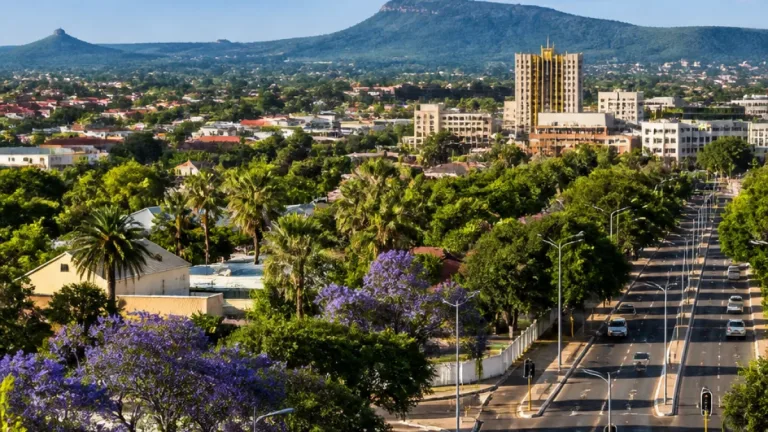
For residents, the public holiday provides an opportunity to vote, while the province’s security agencies prepare to keep election activity functioning across its large and sparsely populated territory. The operation’s coverage of all five districts is intended to ensure that security responsibilities extend beyond major centres to the wider network of communities and voting stations.
PROVJOINTS said the participating agencies remained committed to a secure election in which voters, election officials and election material are protected. Any emerging threats will be handled through the established coordination structure, with operational decisions adjusted according to the security situation.