Police prepare for election-day risks
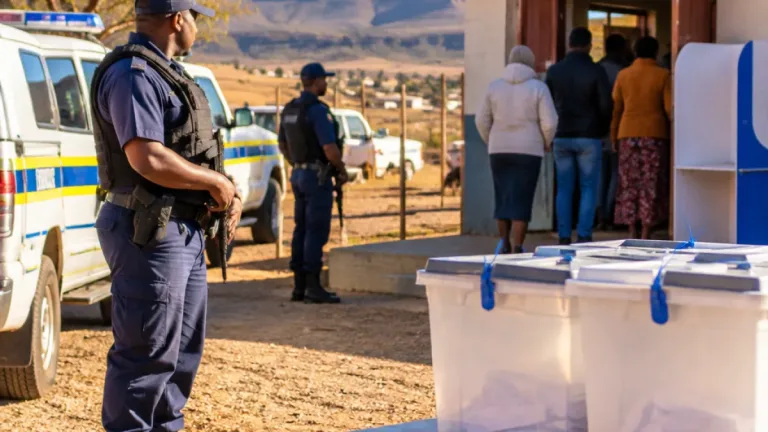
Five voting stations in Limpopo have been assessed as medium risk ahead of the local government elections on 4 November 2026, while no station has been placed in the high-risk category, provincial police have confirmed.
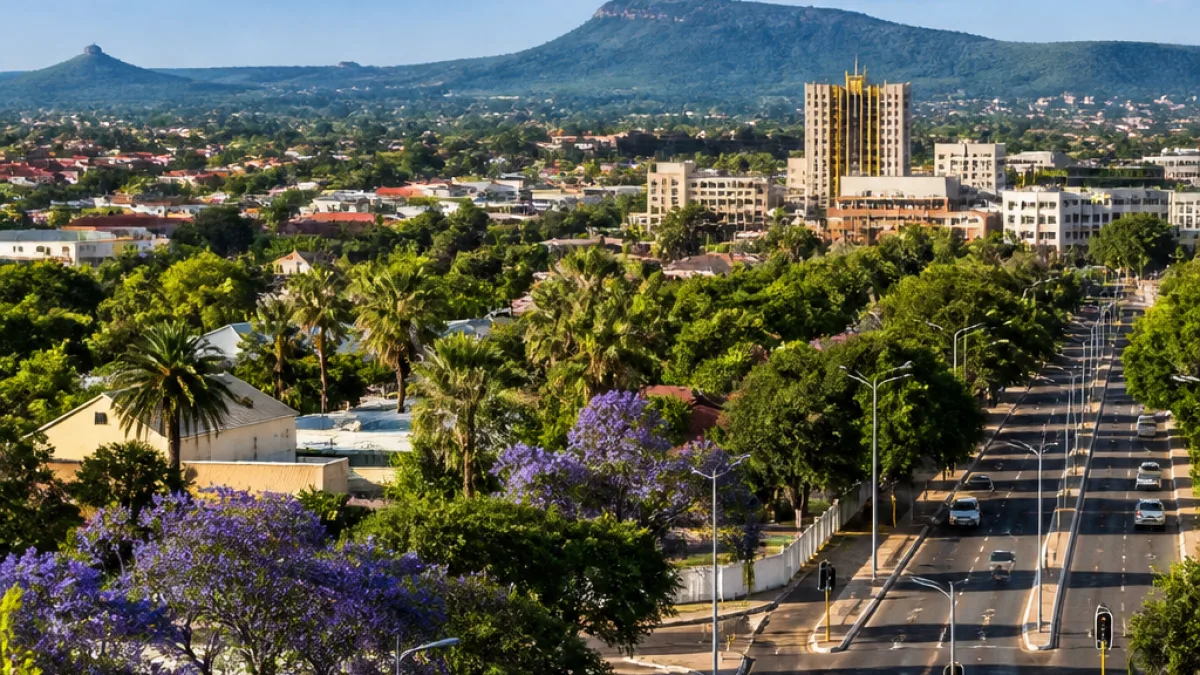
Provincial police commissioner Lieutenant-General Jan Petrus Scheepers said measures were being put in place to protect voters, electoral officials and election material before, during and after the poll. He was speaking at a state of readiness briefing in Polokwane on Thursday, as the province moved into the final stage of preparations.
The medium-risk classification follows assessments conducted through the Provincial Joint Operational and Intelligence Structure, known as ProvJoints. The structure brings together police and other security partners to coordinate information, deployments and responses to possible threats linked to the elections.
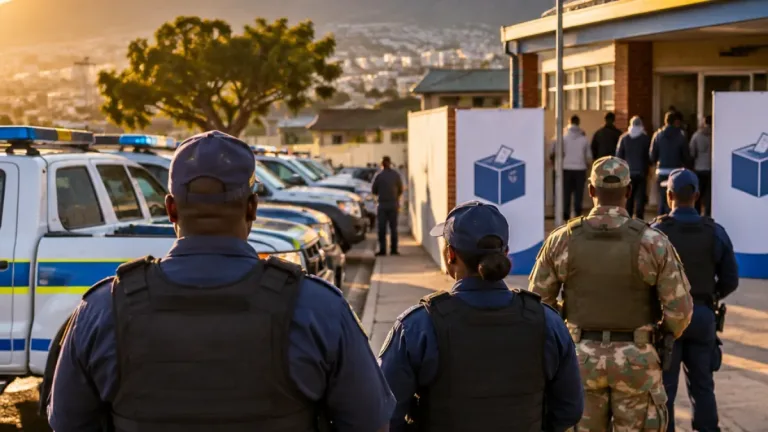
Scheepers said policing would be guided by intelligence and the level of risk identified in each area. The plan includes visible police patrols, intelligence gathering, focused law-enforcement operations and investigations into possible electoral offences.
The South African National Defence Force and the State Security Agency are also supporting the election security operation, according to the provincial police. Officers will be responsible for protecting voting stations and election material, while responding to intimidation, violence, vandalism and the unauthorised possession of dangerous weapons within voting-station perimeters.
Parties urged to respect the electoral process
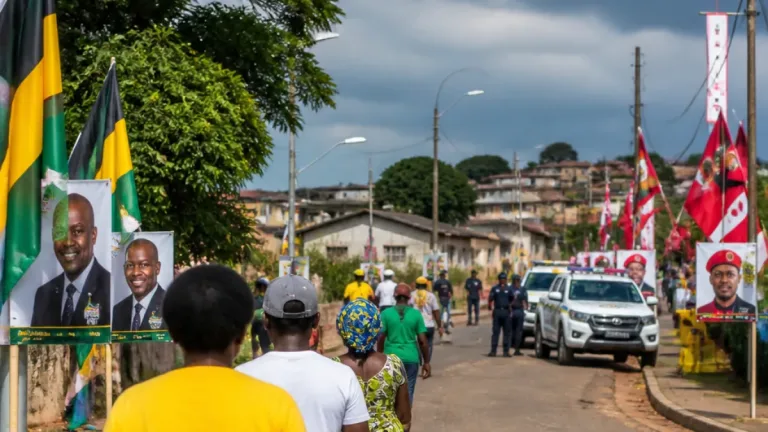
Scheepers called on political parties, candidates and their supporters to respect differences of political opinion and comply with the Electoral Code of Conduct. The appeal comes as communities across Limpopo prepare to choose representatives for their municipalities.
Police also warned against the circulation of fake news, unverified claims and inflammatory messages on social media. Scheepers said such messages could create panic, encourage violence and weaken public confidence in the electoral process.
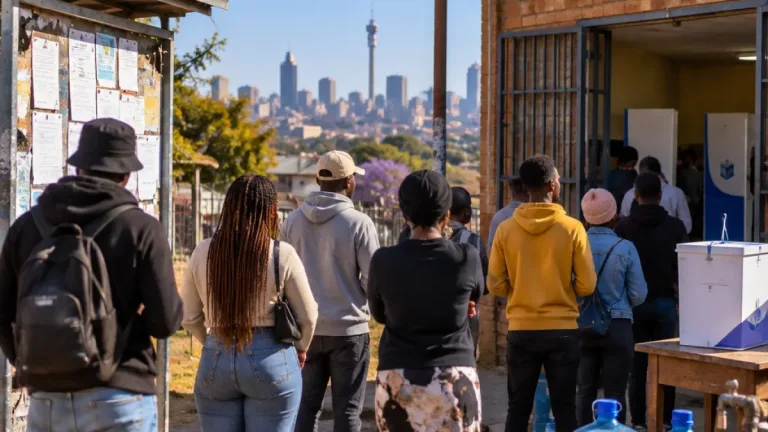
For voters, the security arrangements are intended to ensure that people can reach voting stations and participate without intimidation. The police have not identified the locations of the five medium-risk stations in the information released, and no high-risk voting station has been recorded in the provincial assessment.
- Election day: 4 November 2026
- Special voting: 2 and 3 November 2026
- Registered voters: 3,037,387
- Voting districts: 3,315 across Limpopo
IEC reports progress with election preparations
The Electoral Commission of South Africa said Limpopo has 3,037,387 registered voters spread across five districts and 22 municipalities. The province has 568 municipal wards and 3,315 voting districts, giving an indication of the scale of the operation required to administer the election.
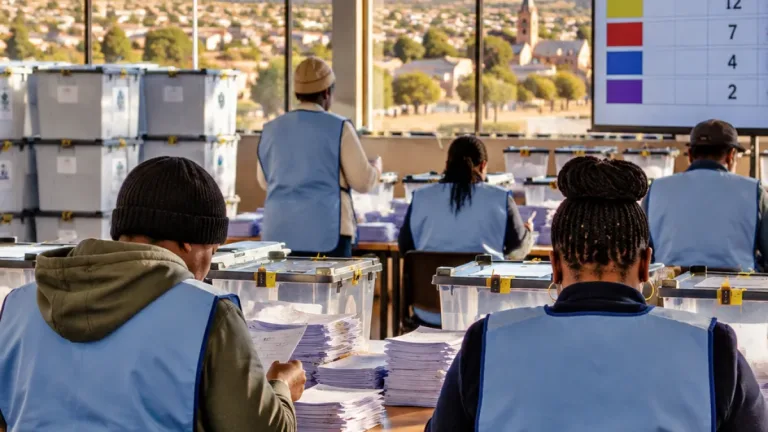
Provincial electoral officer Itumeleng Seanego said more than 99% of the required electoral personnel had been recruited and trained. Electoral staff are expected to play a central role in opening voting stations, managing the voting process and safeguarding election material during the poll.
All batches of ballot papers had also been received and were undergoing quality assurance, according to the IEC. This process is part of the preparations to ensure that the material required at voting stations is checked before the main election day.
| Election preparation | Provincial figure or status |
|---|---|
| Registered voters | 3,037,387 |
| Municipalities | 22 |
| Municipal wards | 568 |
| Voting districts | 3,315 |
| Approved special votes | 341,809 |
Special votes to take place before the main poll
A total of 341,809 special votes have been approved in Limpopo. Special voting is scheduled for 2 and 3 November, two days before the province-wide poll on 4 November.
The special-voting process means that approved voters will cast their ballots before the main election day. The source information does not provide a breakdown of the approved special votes by municipality, district or category, but confirms that the process will take place ahead of the main poll.
Police and election authorities are therefore managing several stages of the operation at once: the protection of election material, the conduct of special voting and the deployment of personnel for the main election. Security plans will remain in place before, during and after voting, according to the provincial police.
Scheepers urged political participants and voters to help preserve a peaceful environment by respecting differing views and avoiding conduct that could interfere with another person's right to vote. The police said they would act against intimidation, violence, vandalism and other election-related offences.
With no voting station currently classified as high risk, the provincial assessment points to a security operation focused on prevention and rapid response rather than a blanket warning about the election. Police and their security partners will continue to use intelligence-led deployments as Limpopo approaches 4 November.