Young voters in Randburg and surrounding parts of Johannesburg are heading into the 4 November 2026 local government elections with a clear list of demands: more routes into employment, functioning water and electricity services, safer neighbourhoods and municipal leaders who can be held accountable.
The findings come from a survey of 240 people aged between 18 and 36 across Alexandra, Fourways, Midrand, Northcliff, Randburg, Rosebank and Sandton. The exercise examined attitudes towards voting, democracy and municipal leadership as young residents considered what they want from Johannesburg’s next administration.
Voting remains a tool for accountability
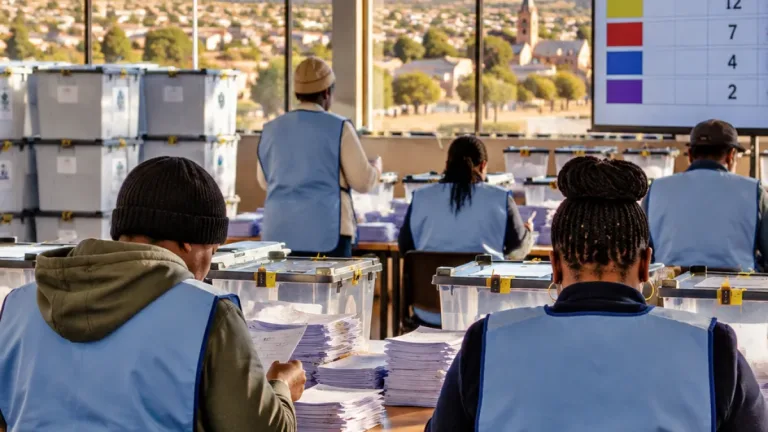
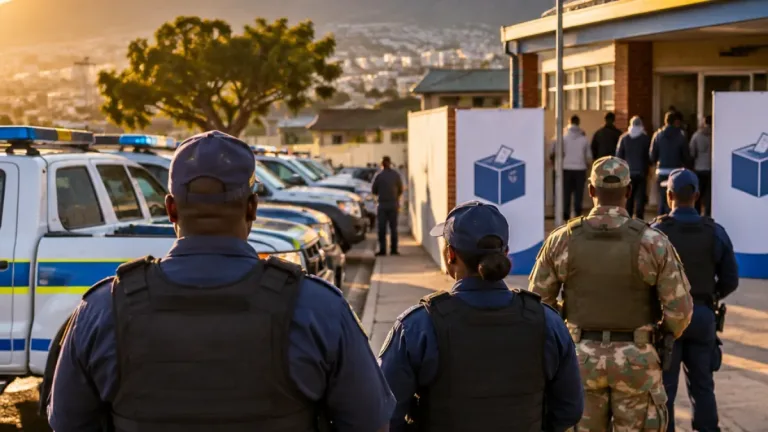
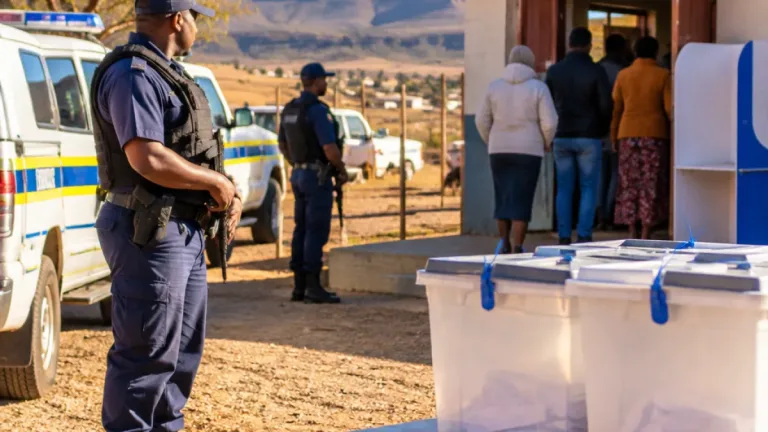
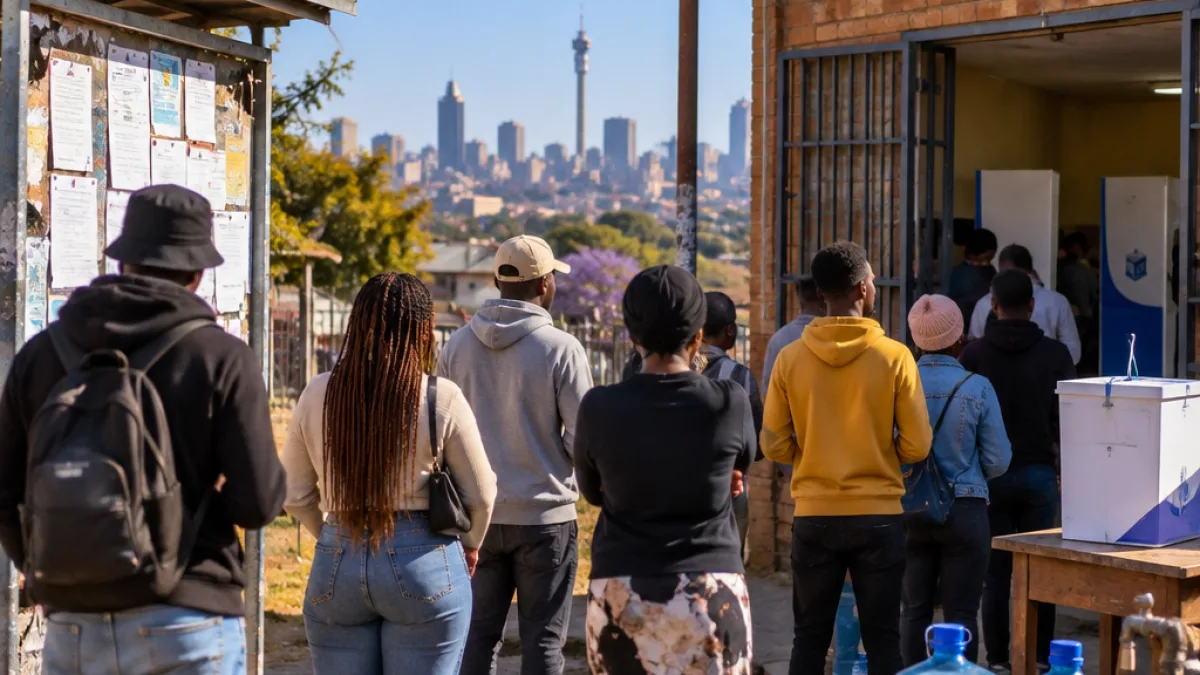
Despite widespread disillusionment with politics, 75% of respondents said they intended to vote. The finding suggests that frustration has not necessarily translated into withdrawal from the electoral process. Instead, many young residents view the ballot as a way to demand answers from political leaders and to influence how the city is run.
Turnout intention was highest in Alexandra, where 89.5% of young respondents planned to cast a ballot. The survey identified registration difficulties, rather than political apathy, as the main obstacle among those who did not intend to vote there. The result points to the practical barriers that can still shape participation, even where interest in the election is high.
“Action over political promises” emerged as the central message from the young voters surveyed.
For Randburg residents, the figures offer a snapshot of how younger members of the community are approaching a contest that will determine the direction of municipal leadership and service delivery. The survey does not suggest that all young voters share the same political preferences. It does, however, show strong common ground around the need for visible results in daily life.
Unemployment leads the concerns
Youth unemployment was identified as the biggest crisis by 71.7% of respondents. That concern was followed closely by ongoing failures affecting water and electricity supply. Together, the responses place economic opportunity and basic municipal services at the heart of the election conversation.
The priorities recorded in the survey include:
- More employment opportunities and clearer pathways into work for young people;
- Repairs to water and electricity infrastructure; and
- Cleaner, safer communities with stronger service delivery.
| Survey finding | Result |
|---|---|
| Young respondents intending to vote | 75% |
| Respondents naming youth unemployment as the top crisis | 71.7% |
| Turnout intention recorded in Alexandra | 89.5% |
| Alexandra respondents recognising Executive Mayor Dada Morero | 31.6% |
Political debate has moved online
Social media is playing a major role in shaping political views among younger voters. TikTok accounted for 38.3% of the platforms influencing political opinions, while Facebook accounted for 28.8%. Combined, the two platforms were identified as the main drivers of political discussion for more than two-thirds of young voters included in the survey.
That shift creates a faster and more accessible political conversation, but the findings also show a gap in civic knowledge. More than 75% of suburban youth recognised Johannesburg Executive Mayor Dada Morero, while recognition fell to 31.6% in Alexandra. The contrast highlights uneven awareness of municipal leadership across the communities surveyed.
For young people in Randburg, the election is therefore about more than choosing a party. It is also a test of whether municipal commitments can be measured against everyday realities: finding work, keeping basic services running, improving safety and maintaining cleaner public spaces. The survey records a generation that remains willing to participate, but expects the next administration to turn campaign commitments into practical improvements across Johannesburg.