Education authorities across South Korea are creating dedicated teams to support teachers facing malicious complaints, abusive reports and legal disputes, moves officials say are intended to protect classroom activity and ensure stable learning.
Closer, faster help for teachers
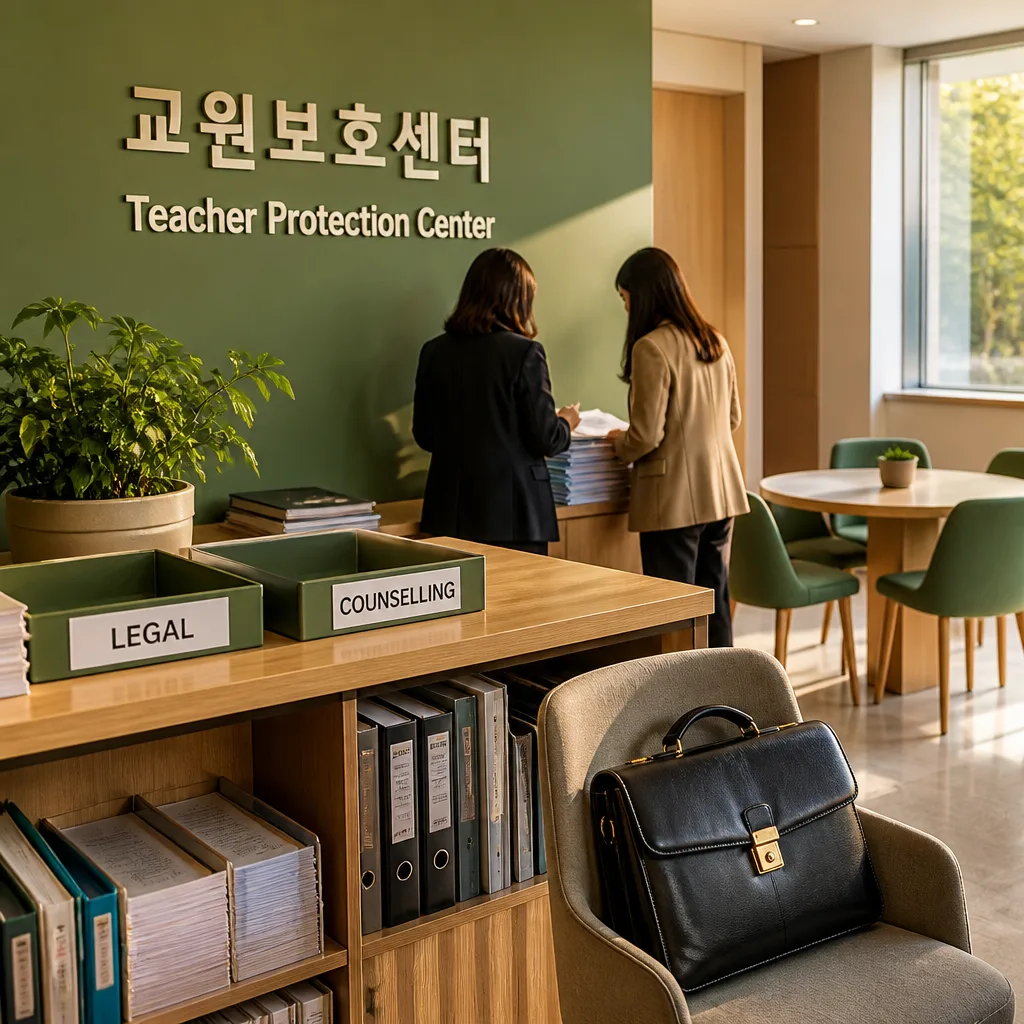
Busan will open a teacher protection centre at each of its five district education offices in September, with each centre staffed by a director, a lawyer, an education supervisor and two administrative employees. The centres will investigate complaints that may interfere with teachers' work, convene regional teachers' rights protection committees that decide whether incidents constitute interference, and link teachers to legal representation and counselling services.
Gyeonggi province launched a different model in August: a force of 300 teachers' rights protection officers. According to reporting, the network pairs a teacher with a case officer who remains responsible for the matter from initial fact‑checking through to closure.
"Protecting educational activity goes beyond the individual teacher. It is an important foundation for guaranteeing students a stable education," Busan Superintendent Kim Seok‑jun said.
Busan already operates a single protection centre; the new facilities will be located nearer to schools so support can be issued more quickly. When teachers are reported for suspected child abuse, the centres will provide legal representation at committee hearings and will take on malicious complaints. A pool of about 60 advisory lawyers appointed last year by the Busan Metropolitan Office of Education will assist when necessary.
What the new units will do
- Investigate interference with teachers' professional duties.
- Operate regional committees to determine whether incidents amount to interference.
- Provide legal representation and counselling for teachers facing allegations, including child‑abuse reports.
- Keep a case officer assigned to a teacher from first inquiry through to case closure (Gyeonggi model).
Officials framed the measures as safeguarding the right of teachers to perform disciplinary and educational duties without fear of unjustified legal or administrative action, and as a way to maintain uninterrupted instruction for learners.
| Office | Key element | Number |
|---|---|---|
| Busan | Protection centres (per district) | 5 centres (one per district education office) |
| Busan | Advisory lawyers | ~60 |
| Gyeonggi | Teachers' rights protection officers | 300 |
Education authorities said the changes follow a spike in complaints in 2023 and renewed public attention after the death of a teacher that year. The new arrangements aim to relieve individual teachers of the burden of navigating legal and administrative challenges alone.
For classroom practice, officials and education leaders argue that timely legal and psychological support can reduce interruptions to teaching and provide clearer, standardised processes for handling contested incidents. By placing multidisciplinary teams closer to schools, the offices hope to speed up fact‑finding and ensure teachers benefit from specialised advice when cases arise.
While these developments emerge from the South Korean context, the measures speak to global debates in education systems about balancing parental and community oversight, teacher accountability, and the need to protect educators from vexatious or malicious actions that can undermine teaching and learning.
Localised protection units and sustained case management offer one approach to maintaining classroom stability while upholding proper procedures for investigating legitimate concerns — a balance that many education systems continue to seek.