Roger Federer has been formally inducted into the International Tennis Hall of Fame, marking a ceremonial recognition of a career that he described as being woven into the "fabric" of his life. In remarks that emphasised gratitude and memory over statistics, Federer reflected on formative experiences that began not as a competitor but as a ball boy in Basel, Switzerland.
From ball boy to Hall of Famer
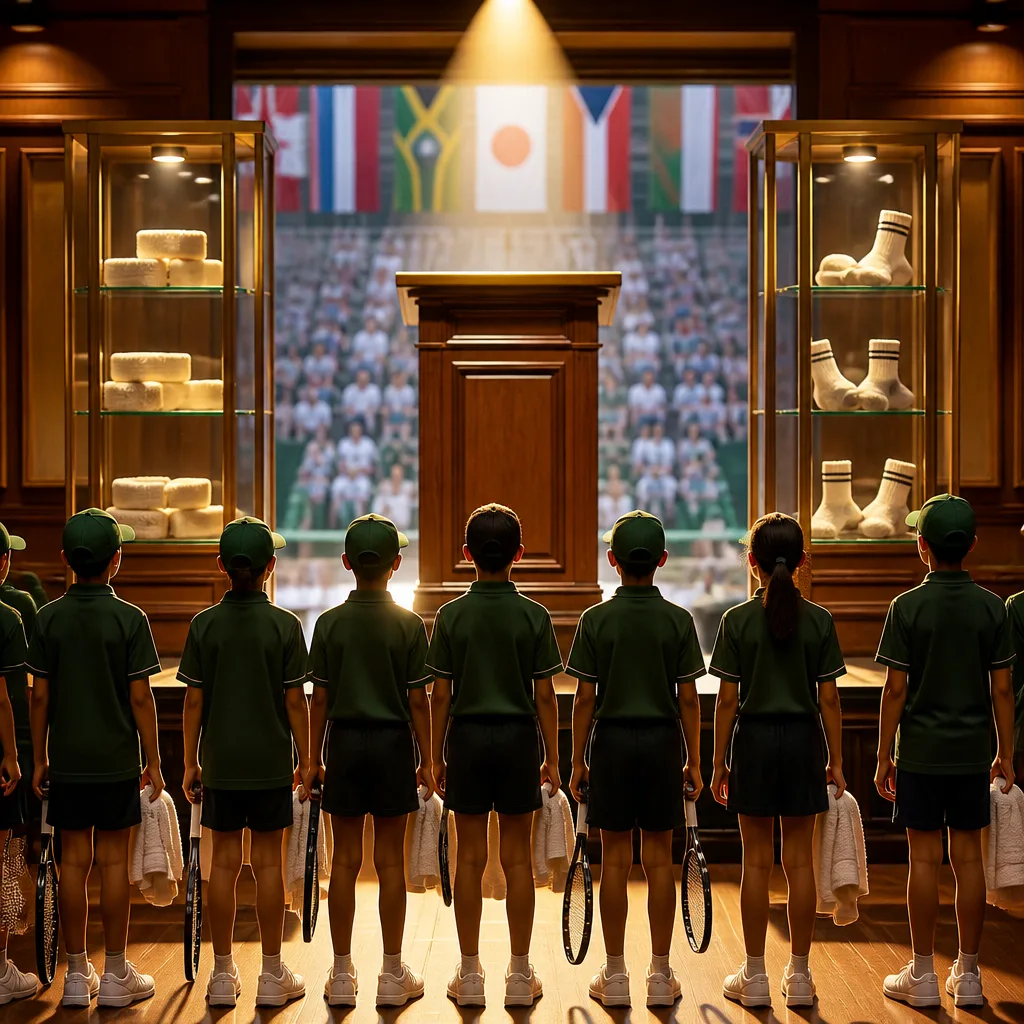
Federer used his induction address to draw attention to the small moments that shaped his relationship with tennis, saying he still remembers standing against the back wall at the Swiss Indoors at 13, watching players and learning from their intensity and resilience. He explicitly thanked the young people who serve as ball kids at matches.
"I was you" – Federer thanked ball kids, describing how watching players from close quarters fuelled his ambition.
He described the experience of standing all day, the physical toll of simply being present at matches, and how that perspective stayed with him. The former world-class player downplayed a catalogue of career accomplishments in favour of anecdotes: joking about the more than 5,000 headbands he wore and the over 7,000 pairs of socks he used during his professional career — often doubling or even tripling up in matches.
Legacy beyond trophies
While the induction ceremony is a formal acknowledgment of career achievement, Federer’s speech centred on the emotional and human elements of the sport: the sweat, the struggle and the learning that happens at close range. He said when he closes his eyes and dreams of the game, he returns to Basel as a teenager, standing close to the action and absorbing the lessons of elite competition.
Those reflections underscore a broader theme in Federer's public persona since retirement: an emphasis on mentorship, accessibility and the ways small roles within sport — such as ball kids — matter in shaping future generations.
What this means internationally and for South Africa
Federer's induction will be followed closely by fans and aspiring players around the world, including in South Africa where his elegance of play and sportsmanship have been widely admired. His recollection of humble beginnings is a reminder of the pathways by which young people can enter elite sport — a point of relevance in nations seeking to broaden access to facilities and development programmes.
- Recognition: Induction into the International Tennis Hall of Fame is a formal capstone to a celebrated career.
- Message: Federer emphasised gratitude to ball kids and the formative nature of early exposure to elite sport.
- Image: He mixed light-hearted personal details with reflective memories, humanising a sporting icon.
Federer’s focus on the early, often unseen, contributors to tennis resonates with officials and coaches who stress grassroots development. In South Africa, where tennis competes for attention and resources with a range of sports, such reminders can be timely for administrators and youth organisers looking to inspire the next generation.
| Item | Detail |
|---|---|
| Headbands | 5,000+ |
| Pairs of socks | 7,000+ (sometimes doubled or tripled) |
The Hall of Fame induction is also a moment to consider sport’s soft power: how elite athletes become global ambassadors of fair play, discipline and commercial appeal. Federer's career, and his measured tone at the ceremony, reinforce those associations.
For many young South Africans who watch international tennis, his story — from ball boy in Basel to one of the game’s most celebrated figures — offers both aspiration and instruction. The challenge for national and provincial sporting bodies remains the same: to translate inspiration into opportunities that are widely accessible across communities.
Federer’s remarks at the ceremony were brief but pointed: an insistence that the sport’s small rituals matter, that those who support matches from the margins deserve recognition, and that memories of early encounters with sport can stay remarkably vivid. That sentiment framed an evening that celebrated not only achievement, but the human connections that make achievement possible.