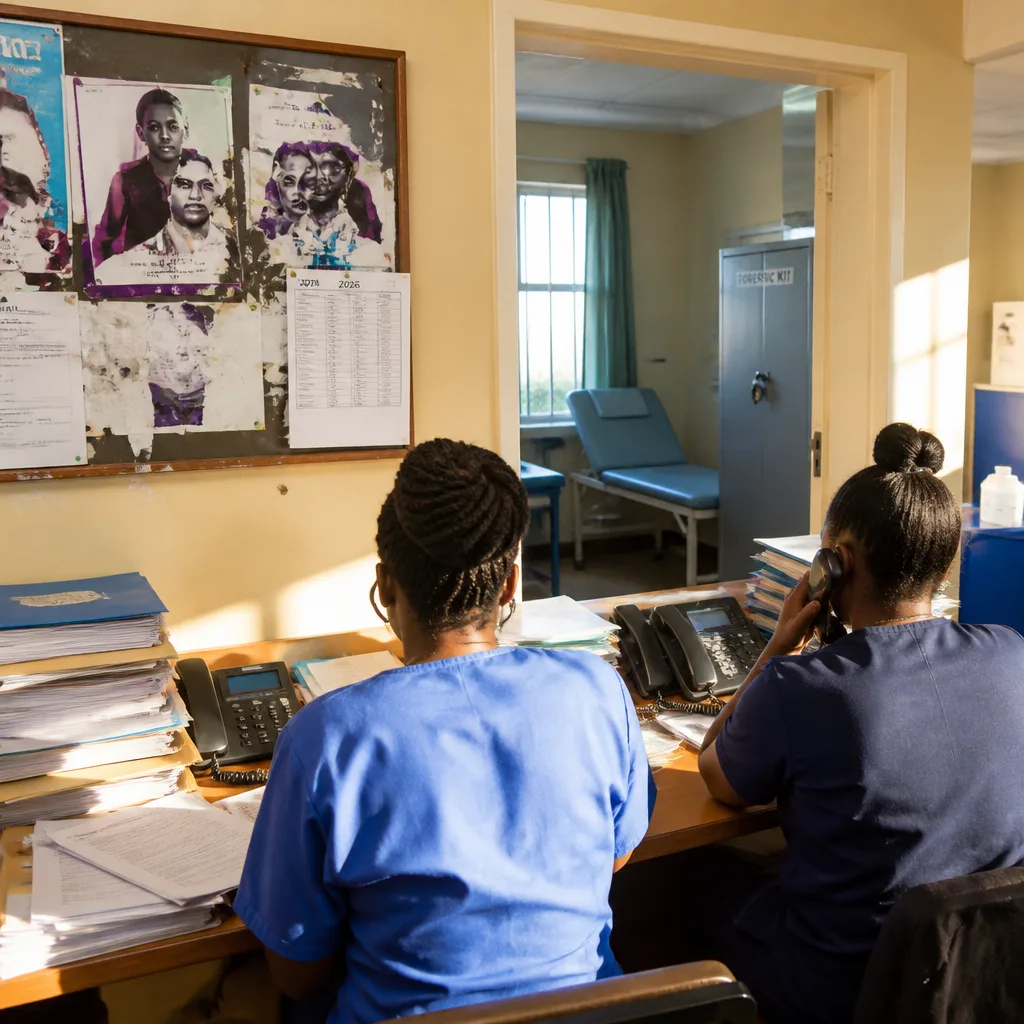
Despite the government’s 2025 declaration of gender-based violence and femicide (GBVF) as a national disaster, the 2026 Budget made no provision for dedicated healthcare funding to support survivors, leaving public health services under-resourced at a time when they are critical to prevention, identification and treatment.
Health services as front-line response
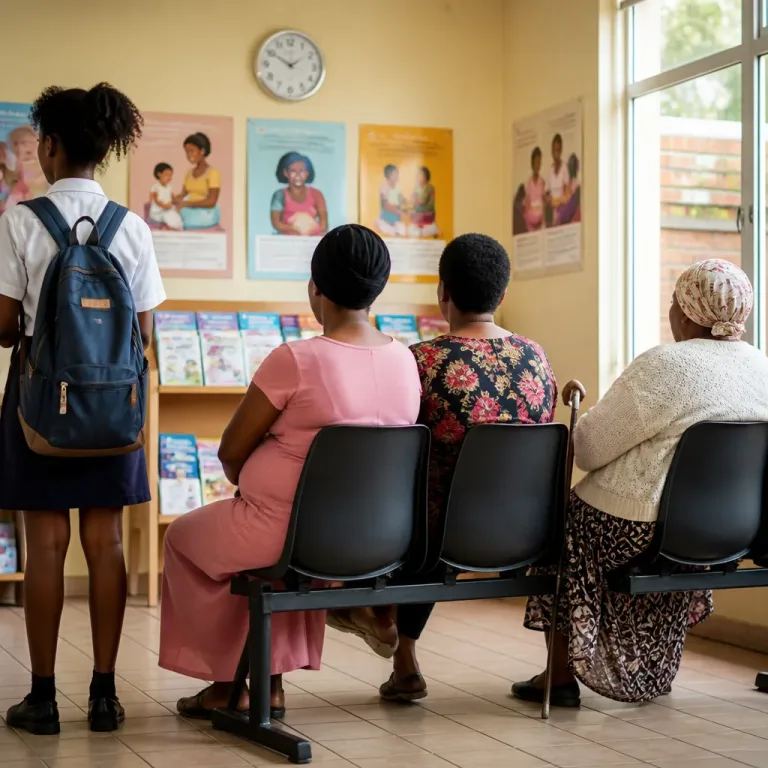
Health facilities are often the first professional contact for survivors of violence. They play multiple roles: recognising abuse, treating physical injuries, managing psychological harm and providing forensic care that can enable protection and justice. As the health system currently stands, advocates and clinicians warn that these functions are strained by limited resources.
Matshidiso Lencoasa wrote that South Africa’s public health sector can be a lifeline for survivors, but that declaring GBVF a national disaster without matching financial commitments effectively fails the women and children who rely on it.
"Health facilities are critical sites for identifying violence, treating its physical and psychological harms and connecting survivors to protection and justice."
Women carry disproportionate care burden
Women dominate the caregiving workforce and household care roles in South Africa, a factor that shapes both risk and response. Lencoasa’s piece highlights that women constitute about 90% of nurses and 95% of early childhood development practitioners. They also disproportionately shoulder unpaid care for sick relatives, children and older people.
| Role | Approximate proportion female |
|---|---|
| Nurses | ~90% |
| Early childhood development practitioners | ~95% |
Budget gap threatens service delivery
The 2026 Budget did not allocate new, ring-fenced funding for GBVF-related healthcare services, according to the report. That omission has practical consequences: clinics and hospitals risk lacking trained staff for gender-based violence screening, access to emergency contraception and post-exposure prophylaxis, mental health support, forensic examination capacity, and the referral networks linking health facilities to social services and the criminal justice system.
- Without dedicated funding, training for frontline staff may not reach the scale required to identify and document GBVF reliably.
- Forensic and psychosocial services, often already limited, are unlikely to expand without budget support.
- Survivors who are poorest or geographically isolated may be unable to access essential care and legal pathways without strengthened public services.
Policy, rights and implementation
The piece underlines a broader point: realising the constitutional right of access to healthcare requires that public finance policy reflect the scale and nature of need. Classifying GBVF as a national disaster signals political urgency, but without targeted investment the designation risks becoming symbolic rather than operational. Strengthening the health sector’s response to GBVF would require sustained funding to build resilient systems that can provide dignified clinical care and link survivors to protection and justice.
Health system strengthening for GBVF includes workforce training, survivor-centred clinical protocols, forensic capacity, mental health services, and co-ordinated referral pathways with social and legal services. Those elements are resource-intensive and require clear budget lines if they are to be implemented equitably across provinces and in under-served areas.
What this means for survivors
For survivors, the gap between policy declarations and budgetary allocation can mean delayed or incomplete care, missed opportunities to collect forensic evidence, inadequate psychosocial support and ongoing exposure to risk. Clinicians and advocates have repeatedly called for health budgets that explicitly support GBVF interventions so that survivors receive timely, dignified care regardless of their ability to pay.
Anyone affected by violence or concerned about a friend or family member should seek help at their nearest clinic or hospital. Health workers can provide immediate clinical care, emergency contraception, HIV post-exposure prophylaxis where indicated, and referrals to social and legal support services. Always consult a qualified health professional rather than attempting self-diagnosis or treatment.
The 2026 Budget’s omission leaves an urgent policy question: if GBVF is a national disaster in name, when will public health financing follow to make that declaration meaningful for survivors across the country?