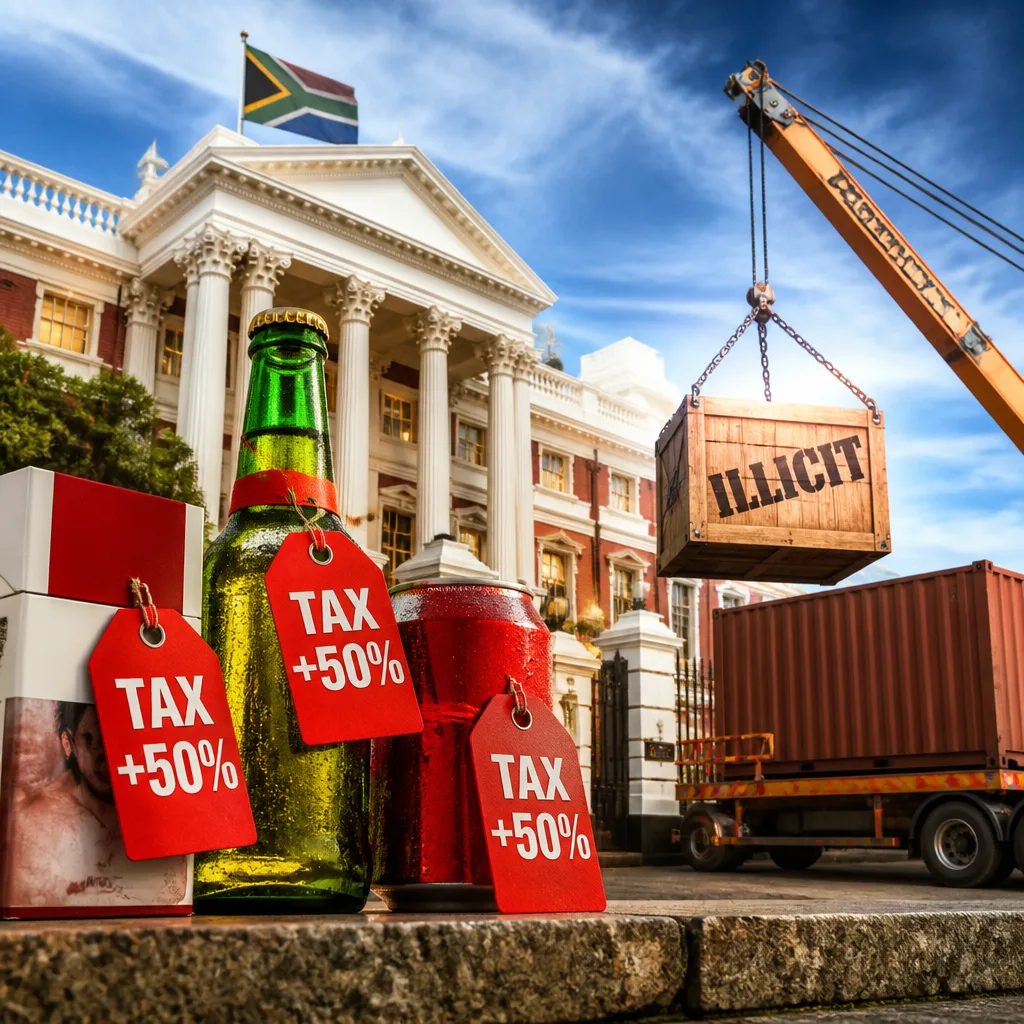
The World Health Organization (WHO) has reiterated that taxes on tobacco, alcohol and sugar-sweetened beverages are among the most effective interventions to reduce unhealthy consumption, generate government revenue and support health and development priorities.
Global drive to raise prices through health taxes
The WHO event, held ahead of the seventy-seventh session of the WHO Regional Committee for the Western Pacific, highlighted the agency’s 3 by 35 Initiative, which calls on countries to increase the real prices of tobacco, alcohol and sugar-sweetened beverages by at least 50% by 2035 through health taxes. The initiative is explicitly aimed at lowering the burden of noncommunicable diseases (NCDs) while generating additional domestic resources that can be channelled into health and development objectives.
Health taxes are presented not only as a public health measure but also as a fiscal tool: they simultaneously reduce demand for harmful products and increase public revenues that can be used for prevention, treatment and broader social services.
Focus on practical challenges: modelling, revenue use and illicit trade
The online session concentrated on practical country experiences in three intertwined areas:
- Tax modelling — to support policy design and predict health and fiscal impacts;
- Revenue allocation — including approaches to earmarking funds for health priorities;
- Illicit trade — addressing a common political concern that can be used to resist reforms.
According to WHO materials, the meeting drew on case studies from the Western Pacific Region to surface lessons and recurring challenges. Participants considered how concerns about illicit trade can be addressed without diluting the public health rationale for tax reform.
Strengthening administration and supply-chain controls
WHO emphasised that fears about illicit trade should be managed through practical measures that strengthen tax administration, enforcement and supply-chain controls. These steps are presented as complementary to health taxes rather than reasons to avoid them.
The session noted that well-designed enforcement and regulatory frameworks can limit illicit activity while preserving the public health benefits and revenue gains of higher taxes.
| Policy element | Key purpose |
|---|---|
| Health taxes | Reduce consumption; raise revenue |
| Tax modelling | Inform design and project impacts |
| Revenue allocation | Support health and development priorities |
| Administration & enforcement | Mitigate illicit trade risks |
Policy implications and next steps
WHO’s event is positioned as a practical exchange for countries considering or refining health tax policies. The organisation framed health taxes as both evidence-based and operationally feasible when paired with robust modelling, transparent revenue use and strengthened supply-chain oversight.
WHO materials indicate the dual objective of improving population health while increasing domestic resources for health: policy design must therefore balance technical robustness with measures to counter legitimate governance and enforcement concerns.
For policymakers, the message is clear: technical tools such as tax modelling and allocation strategies are central to building political and public support for health taxes, and illicit trade fears should be addressed through targeted administrative reforms rather than by abandoning tax policy as a public health instrument.
Readers seeking advice about personal health should consult a clinician or public health service rather than relying on tax policy discussions for individual medical decisions.