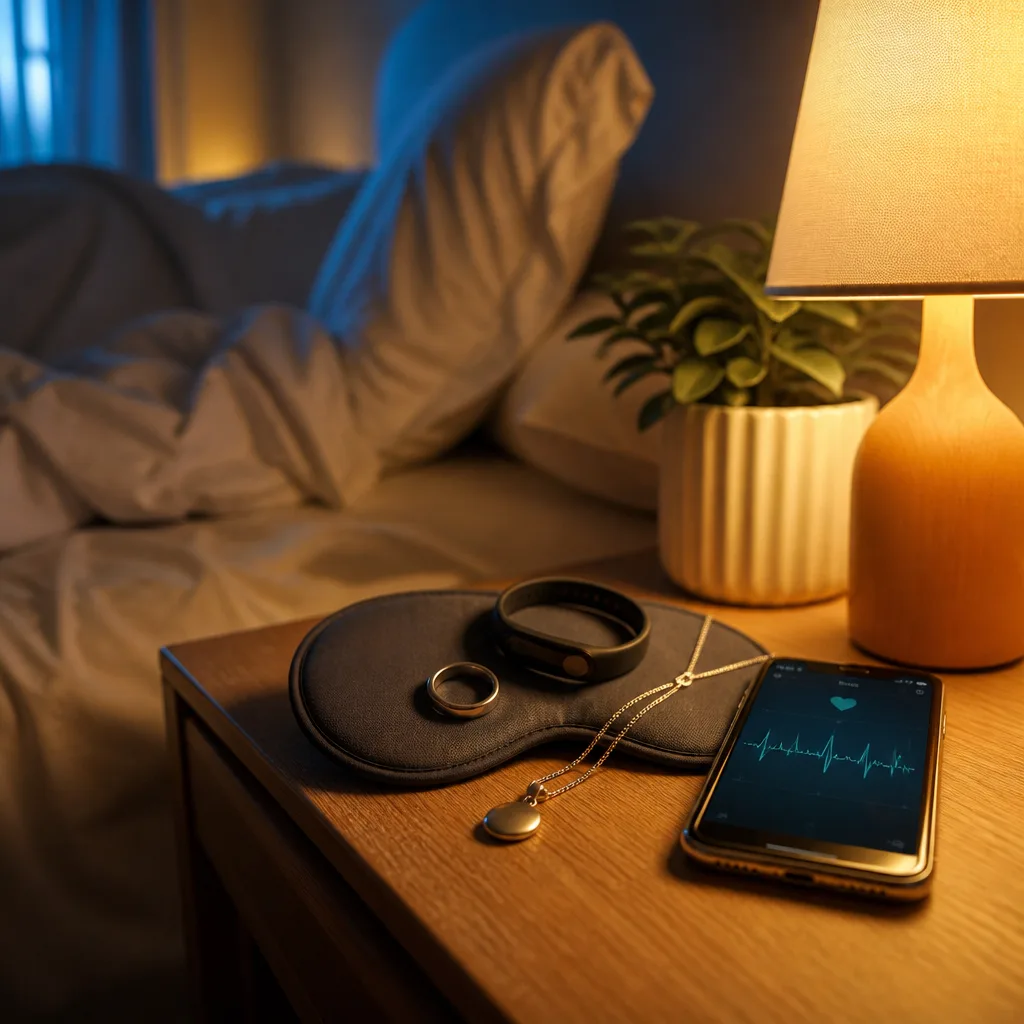
Cunion, a health‑technology company based in San Diego, is pitching a wearable ecosystem that it says prioritises quiet monitoring and actionable signals rather than constant notifications. In a company release, Cunion said its devices — including a ring, band and necklace — are designed to remain unobtrusive and to notify users only when there is something meaningful to report.
Emphasis on sleep as a primary health measure
In the release, Cunion identified sleep as the clearest benefit of continuous overnight measurement. The company said the Cunion Ring tracks sleep architecture, heart rate variability (HRV) and resting heart rate through the night without a screen, strap or a charging routine that interrupts use during the week.
The company highlighted sleep’s broad role in health, noting its influence on metabolic regulation, immune function, mood stability and cognitive performance. Cunion argued that perceived rest often diverges from objectively measured restorative sleep and that sustained, passive overnight monitoring can help close that gap.
Autonomic awareness and stress monitoring
As a second core benefit, Cunion emphasised autonomic awareness. The devices are said to capture HRV, breathing rate and other stress signals across the Ring, Band and Necklace to give users a picture of how their nervous system is responding to work, travel, training and recovery.
The company suggested that chronic stress may accumulate gradually and remain unnoticed until it has already affected sleep quality, appetite regulation and resilience. By surfacing trends earlier, Cunion said users would be able to respond with rest, breathwork or a reduced training load rather than continuing at the same intensity.
Cardiovascular baseline tracking
Cunion listed cardiovascular baseline as a third benefit. Continuous tracking of resting heart rate and heart rhythm over months is intended to establish an individualised normal, rather than relying on population averages.
- Sleep — measured via sleep architecture, HRV and resting heart rate.
- Autonomic awareness — trends in stress, breathing rate and nervous system response.
- Cardiovascular baseline — long‑term resting heart rate and rhythm patterns.
The company’s material stated there are five practical health benefits across the ecosystem but the release excerpt provided to media focused on the three areas above.
Context and implications for South Africa
Digital wearables that passively monitor sleep and autonomic function have grown in availability and sophistication. For South African users, devices that minimise interruptions and charging burdens may support sustained use — an important consideration where cost, access to chargers and user engagement vary widely.
However, clinicians and public‑health practitioners caution that wearable data should complement, not replace, clinical assessment. Objective trends in HRV, heart rate and sleep may be useful screening or self‑management tools, but interpretation should ideally be undertaken in consultation with a clinician, particularly where symptoms such as palpitations, breathlessness, persistent fatigue or disrupted sleep are present.
Readers are reminded that consumer wearables differ in regulatory oversight, sensor accuracy and clinical validation. Where health concerns arise, consult a clinic or doctor rather than relying solely on device readouts.
| Metric | Device (as described by company) |
|---|---|
| Sleep architecture | Cunion Ring |
| Heart rate variability, breathing rate | Ring, Band, Necklace |
| Resting heart rate and rhythm | Ring (continuous tracking) |
What consumers should know:
- Passive, overnight monitoring can reveal differences between perceived and restorative sleep, according to the company.
- Trends in HRV and resting heart rate may help users identify accumulating stress or changes in cardiovascular baseline.
- Wearable data are potentially useful but require clinical context; seek medical advice for new or worrying symptoms.
"The healthiest device is the one that stays quiet until it has something worth saying," the company said in its release.
The release is a company communication and reflects the vendor’s framing of the technology’s benefits. Independent validation, regulatory approval and local availability were not covered in the material provided.
Health readers with concerns about sleep, stress or heart symptoms should consult a healthcare professional rather than relying solely on consumer devices.