The Presidency has confirmed that Deputy President Paul Mashatile is recovering following a minor surgical procedure and is receiving medical care and rest, amid public concern over his absence from several official engagements.
Official update and timeline
According to a statement issued by the Government Communication and Information System (GCIS), Mashatile became unwell at his Johannesburg home and, under the supervision of his medical team, sought attention. He was admitted for a minor operation and observation and has since been discharged.
"The Deputy President is recovering well and remains in contact with his office. His programme and official responsibilities continue to be managed appropriately during his recovery," the Office of the Deputy President said.
The Office noted that, despite his absence from some public engagements, Mashatile has continued with aspects of his official work remotely and has joined Parliament and other meetings through virtual platforms.
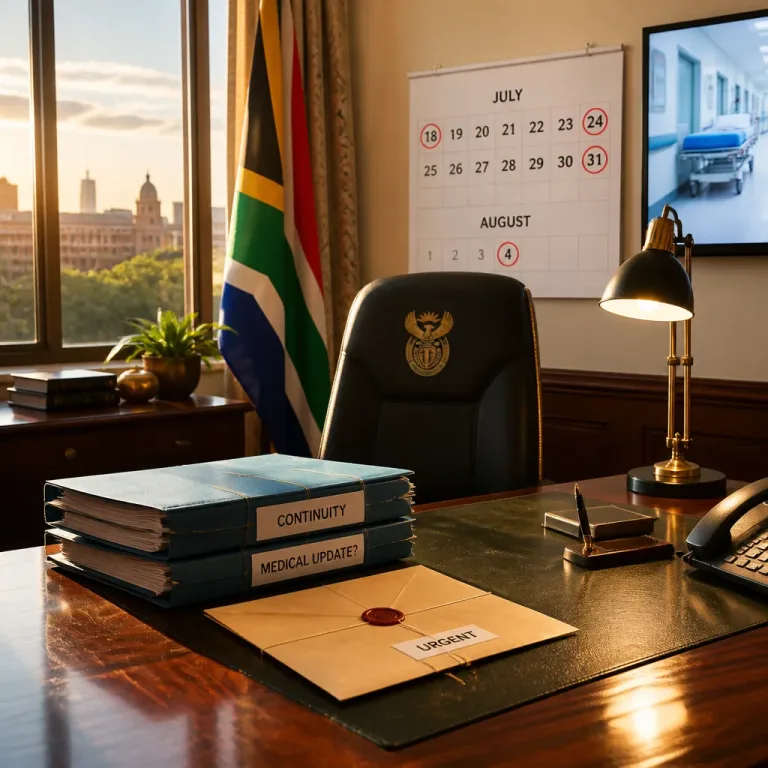
- 18 July — Last public appearance, at the Mandela Day Water Services Project Launch and Acceleration Programme in KwaZulu-Natal.
- 4 August — The Presidency first publicly addressed his absence, confirming recovery from a minor surgical procedure.
- Recent statement — Reiterated recovery and ongoing contact with the office while resting at home.
Privacy, speculation and public interest
The Office of the Deputy President emphasised its commitment to protecting Mashatile’s medical privacy and said it will not engage with "speculative or unverified claims." It urged the public and media to rely on information from official channels rather than anonymous reports.
"The Office respects the Deputy President's right to medical privacy and will therefore not comment on speculative or unverified claims," the statement said.
The limited details released and the Deputy President’s prolonged absence from some engagements had prompted public curiosity and media attention. The Office’s response makes clear that, while the public has a legitimate interest in the health of senior officials, patient confidentiality remains a guiding principle.
Governance and continuity
The statement also confirmed that Mashatile’s programme and official duties are being managed during his recovery period. It did not specify who was acting for particular duties, nor did it provide a timeline for his return beyond noting he intends to resume his full programme once cleared by his medical team.
Continuity in government functions during periods of medical leave is typically managed through established administrative arrangements. In this instance, Parliament and other offices have been able to proceed with scheduled business, with the Deputy President participating remotely where possible.
What this means for the public
Public figures frequently balance personal medical privacy with expectations of transparency. Health authorities, legal frameworks and ethical guidelines protect patient information, and the Office’s position reflects those norms. At the same time, clear communication from official channels helps prevent misinformation, which can spread quickly and create unnecessary alarm.
For individuals, officials and institutions, the key takeaway is twofold:
- Official channels remain the authoritative source for reliable updates on the Deputy President’s health.
- Questions about personal medical conditions should be addressed by qualified clinicians rather than conjecture; members of the public should consult their own healthcare providers for personal medical advice.
The Presidency’s statement stops short of clinical details, as is customary to preserve patient confidentiality. It does, however, provide reassurance that the Deputy President is recovering at home and remains engaged with his responsibilities within the constraints advised by his medical team.
| Item | Date |
|---|---|
| Last public appearance | 18 July |
| First public confirmation of surgery | 4 August |
| Latest update | Recent GCIS statement — recovery and rest (no date provided in statement) |
Members of the public are reminded that health matters are ultimately private and should be communicated by those authorised to do so. When concerned about their own health, readers should consult a clinic or medical professional rather than relying on informal reports or social media speculation.