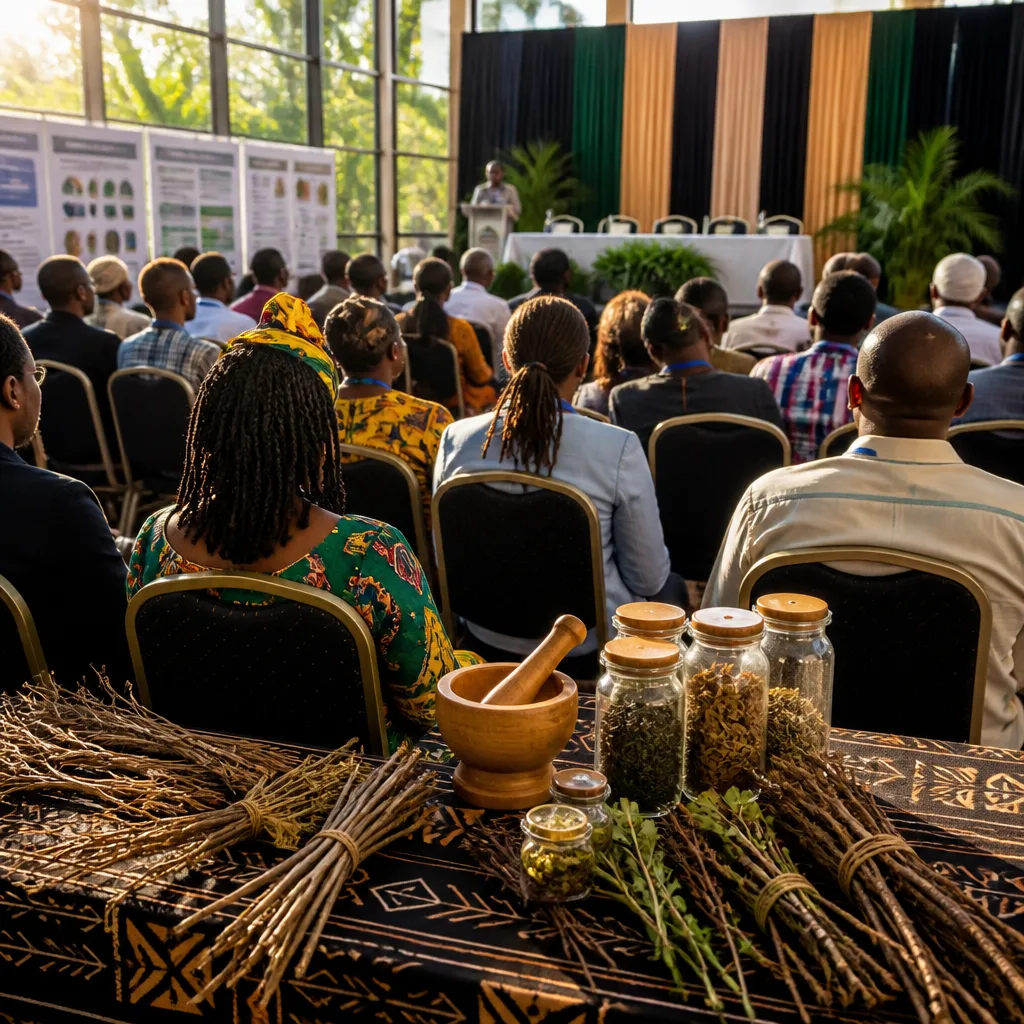
Leaders, researchers and traditional health practitioners convened on the margins of African Traditional Medicine Day to discuss how traditional medicine can contribute to universal health coverage across the continent. The observance — held annually on 31 August — focused this year on strengthening the pathway from research to community access.
From knowledge to service delivery
The World Health Organization (WHO) said the 24th African Traditional Medicine Day emphasised the need for evidence, governance and investment so that traditional medicine can be deployed safely and effectively within health systems. The WHO Global Traditional Medicine Centre and the Regional Office for Africa organised a conversation that brought together policy-makers, regulators, researchers and traditional health practitioners (THPs).
According to the WHO, traditional medicine remains a primary source of care for many people in Africa, particularly in rural settings where conventional health services are limited. Speakers at the event argued that harnessing traditional medicine could help close gaps in primary health care and contribute to the continent’s pursuit of universal health coverage, provided work on research and regulation is scaled up.
Key themes from the discussion
- Evidence generation: Participants urged systematic research on effectiveness and safety to inform practice and policy.
- Regulation and quality assurance: Strengthened regulatory frameworks were identified as necessary to protect patients and build institutional confidence.
- Community trust and reach: The social role of THPs was highlighted as an asset for extending services, particularly where biomedical access is limited.
"Trust is infrastructure," Chief Temitayo Faruq Erogbogbo said during the discussion, underscoring the centrality of relationships that traditional practitioners hold within communities.
Voices and roles
The conversation featured a range of contributors, including senior figures from national regulatory bodies and community leaders. WHO reported that panelists included Professor Martins Emeje, Director-General of the Nigeria Natural Medicine Development Agency and co-chair of the WHO Strategic and Technical Advisory Group for Traditional, Complementary and Integrative Medicine, and Chief Temitayo Faruq Erogbogbo, Baaloro of Ikorodu Kingdom. Kenyan youth researcher and entrepreneur Fionah Njeri moderated the session.
Speakers emphasised that traditional medicine is a living, adaptive set of practices rather than a historical relic. They called for policies that balance cultural relevance with rigorous assessment, as well as funding mechanisms that enable traditional remedies and practitioners to be incorporated into primary health care where appropriate.
What this means for health systems
WHO said integrating traditional medicine into national health strategies requires several linked actions:
- Investment in research to produce robust evidence on benefits and risks;
- Development or strengthening of regulation to ensure product quality and practitioner competence;
- Community engagement to maintain trust and align services with cultural preferences.
| Stakeholder | Role highlighted |
|---|---|
| Traditional health practitioners | Primary point of contact; cultural legitimacy |
| Researchers and regulators | Produce evidence; set quality and safety standards |
| WHO | Facilitate dialogue and capacity building |
For South Africa, where many communities still consult THPs alongside biomedical services, the WHO discussion offers a policy road map: support rigorous studies of traditional remedies, create clear regulatory pathways, and invest in collaborative models so traditional practitioners can complement formal primary care without compromising patient safety.
Health authorities and clinicians should note the WHO’s emphasis on evidence-based integration. Patients are reminded to consult licensed clinics and health professionals about treatments and to avoid self-diagnosis or unsupervised use of remedies. The WHO conversation signals growing international momentum to reconcile cultural health practices with modern health-system standards, aiming to expand safe, accessible care for the millions who rely on traditional medicine.